

Cramps, mood swings, bloating and low energy already make periods distressing, both physically and emotionally. The season can also weigh in and influence period-related discomfort. The summer season worsens the period discomfort, primarily because of the scorching heat, damp humidity, and excessive sweating.
Dr Priya Darshni, obstetrician and gynaecologist at Plush, told us that around the vaginal area, rashes, itching, and infections develop. Many cases are reported around this time, and the doctor sees many such problems in practice. “As a gynaecologist, I often see an increase in complaints of rashes, itching, and discomfort in the vaginal area, especially during periods in this hot and humid weather.”
What are these rashes?
Anyway, during menstruation, the doctor stated that the vulva is sensitive because of the hormonal changes in the cycle. Summer conditions only exacerbate the problem and create the ideal environment for irritation to occur.
“Common causes include excess moisture and sweat, which can lead to skin peeling. Using sanitary pads for prolonged periods can cause friction and dampness, which may also lead to vaginal yeast infections. Poor ventilation due to tight clothing, like wearing tight jeans all the time, synthetic underwear, or tummy tuckers, can worsen the issue. Chemical irritation from using scented pads or low-quality materials is also another reason,” Dr Darshni detailed the major causes driving summer rashes and infections.
Signs to watch out for:
The gynaecologist urged to look out for these signs, which may indicate period-related summer rashes:
- Burning sensation: Often the first sign of irritation or imbalance.
- Itching or irritation: Persistent discomfort shouldn’t be ignored.
- Small bumps: Tiny, dot-like bumps can appear, sometimes even without shaving the area.
- Foul smell: An unusual or strong odour may indicate an underlying issue.
Prevention
The prevention is simple. Here are some of the precautionary measures the doctor listed:
1. Change underwear frequently
- Whether on period or not, change underwear if it becomes slightly wet.
- Carrying a spare pair can help.
2. Change pads every 4 to 6 hours
- Pads should be changed regularly, whether they are fully soaked or not.
3. Wear breathable clothing
- Cotton best choice.
- Loose pants are better than tight jeans or leggings, especially when worn all day.
4. Choose the right menstrual products
- Go for cotton-based, unscented pads, as harsh chemicals can disrupt the natural vaginal flora and pH balance.
5. Consider alternatives if comfortable
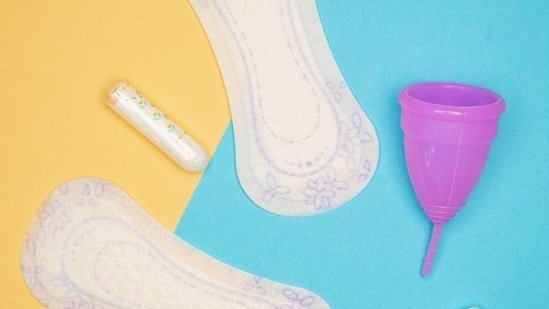
- Menstrual cups or tampons can also be considered if one is comfortable using them.
6. Keep area dry
- Wash with plain water during every change or after peeing.
- Gently pat dry using a tissue or towel. Avoid aggresively rubbing.
In the end, the doctor recommended visiting a gynaecologist if the vaginal area develops a rash.
Note to readers: This article is for informational purposes only and not a substitute for professional medical advice. Always seek the advice of your doctor with any questions about a medical condition.
