

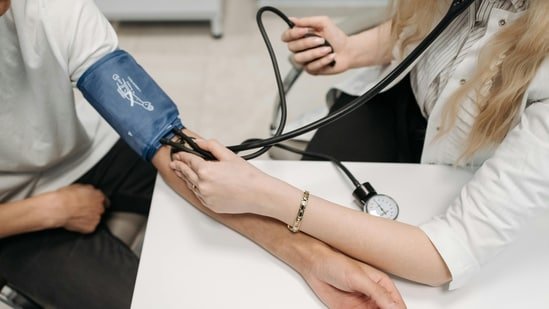
Blood pressure sits at the centre of heart health – one of the most common risk factors for cardiovascular disease, yet also one of the most controllable. That dual reality makes it especially important to keep a close, regular watch on your numbers. When left unchecked, high blood pressure can quietly progress, increasing the risk of serious complications that might otherwise have been preventable with timely monitoring and simple lifestyle adjustments.
Dr Jeremy London, a board-certified cardiothoracic surgeon with over 25 years of experience, is breaking down the most effective way to measure your blood pressure at home to ensure accurate readings. In an Instagram video shared on April 22, he walks viewers through the step-by-step process, while also outlining how frequently you should be checking your numbers for a more reliable assessment of your heart health.
Steps to measure blood pressure
Dr Jeremy London outlines a clear, step-by-step method for measuring your blood pressure at home to ensure you get the most accurate reading possible. He emphasises that even seemingly minor factors can temporarily skew your numbers, making it essential to follow the right approach for reliable results.
- Don’t exercise, drink coffee, or smoke 30 minutes before taking your reading. Empty your bladder before measuring your blood pressure.
- Sit comfortably with your back supported by the chair, quietly for 10 to 15 minutes before measuring.
- Uncross your legs with your feet flat on the ground.
- Use an arm cuff, instead of a wrist cuff, since they typically offer more reliable measurements.
- Secure the blood pressure cuff around your bare arm (not over clothing) about an inch or two finger’s breath above the bend in your elbow.
- Tighten the cuff so it sits snugly on your arm – secure enough to stay in place, but not so tight that it feels uncomfortable or restrictive. The cuff should have enough room to fit a finger.
- Once everything is in place, rest your arm comfortably on a table at heart level.
- Take your blood pressure.
- Repeat two more times and average your readings.
How often should you measure blood pressure?
Dr London points out that blood pressure is not only one of the most common risk factors for cardiovascular disease, but also the most modifiable – yet many people remain unaware of their numbers. Relying on a once-a-year reading during your annual health check simply doesn’t cut it.
If you have a blood pressure monitor at home, he recommends checking it at least twice daily. The most effective approach is to take readings in the morning and evening over a period of seven to 10 days, then average those values to get a more accurate and reliable picture of your blood pressure.
The heart surgeon explains, “I’m a firm believer that getting your blood pressure checked once a year at your annual visit isn’t adequate. It’s one measurement. So, if you have a cuff at home, my recommendation is that you check your blood pressure twice a day in the morning and the evening for seven to 10 days and then average those numbers. That’s much more accurate. Now, high blood pressure is one of the most common risk factors for cardiovascular disease and many people don’t even know that they have it. So checking your measurements at home properly allows you to know if you have this risk factor.”
Note to readers: This article is for informational purposes only and not a substitute for professional medical advice. It is based on user-generated content from social media. HT.com has not independently verified the claims and does not endorse them.
