

Delhi’s unforgiving summer heat can take a serious toll on the skin. With temperatures soaring above 40 degrees Celsius, constant exposure to harsh UV rays, pollution, sweat and dehydration often leaves the skin tanned, pigmented, dull and uneven. Dermatologists warn that during peak summer, skin damage is not caused by sunlight alone – heat-induced inflammation, excess oil production and poor skincare habits can further worsen the condition, making proper skin protection and recovery essential.
HT Lifestyle reached out to Dr Karuna Malhotra – founder, aesthetic physician and cosmetologist at Cosmetic Skin and Homeo Clinic, Rajouri Garden, New Delhi – and Dr Akriti Gupta – founder and chief dermatologist at Jivisha Clinic, New Delhi – to gain expert insights on how to protect your skin during unrelenting heat waves.
According to Dr Malhotra, pigmentation and tanning are among the most common skin concerns seen during Delhi summers. She explains, “People often think tanning is temporary, but repeated sun exposure can cause long-term pigmentation, uneven skin tone, and premature ageing if the skin is not protected properly.”
Increased tanning and skin pigmentation in summer
According to Dr Gupta, excessive exposure to ultraviolet (UV) rays triggers the skin to produce higher amounts of melanin, the pigment responsible for giving skin its colour. This acts as the body’s natural defence mechanism against sun damage. However, when melanin production becomes excessive, it can result in stubborn tanning, dark spots and long-lasting pigmentation.
She explains, “Delhi’s summer is particularly damaging because strong UV radiation combines with heat, sweat, and pollution. Together, these factors weaken the skin barrier and increase inflammation, making pigmentation more noticeable.”
Apart from sunlight, frequent sweating and dehydration can make the skin appear dull and irritated. The dermatologist adds, “People with acne-prone or sensitive skin may also notice post-inflammatory pigmentation becoming darker during summer months.”
Common summer skincare mistakes
Skipping Sunscreen Indoors: Many people apply sunscreen only while stepping outside, but UV rays can penetrate through windows and continue damaging the skin indoors as well.
Using heavy creams: Thick creams and oily products can clog pores during hot weather, increasing acne and irritation.
Over-exfoliation: Excessive scrubbing or using harsh exfoliants to remove tan can damage the skin barrier and worsen pigmentation.
Ignoring hydration: Dehydrated skin becomes more sensitive and prone to irritation, dullness, and uneven texture.
How to prevent pigmentation and tanning?
Use sunscreen correctly
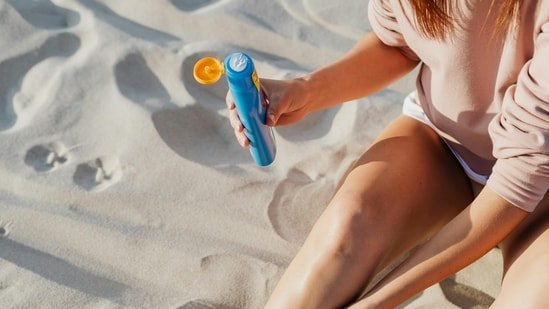
Dermatologists recommend applying a broad-spectrum sunscreen with SPF 30 or higher every day, even while staying indoors. They also advise reapplying sunscreen every three to four hours, especially after excessive sweating or prolonged sun exposure, to ensure continued protection against tanning and skin damage.
Dr Malhotra highlights, “A good sunscreen is the most important anti-pigmentation product during summer. Without sun protection, even the best treatments or skincare products will not give long-term results.”
Wear protective gear
Using sunglasses, umbrellas, scarves, hats and full-sleeved cotton clothing can significantly minimise direct sun exposure and help protect the skin from harmful UV damage.
Keep skincare light and simple
During summer, lightweight gel-based moisturisers and gentle cleansers tend to work better than heavy creams, as they hydrate the skin without making it feel greasy or clogged. The dermatologists also suggest incorporating ingredients such as hyaluronic acid, niacinamide and vitamin C into skincare routines, as they may help maintain hydration, soothe inflammation and improve overall skin brightness.
Avoid peak sun hours
Direct sun exposure between 11 am and 4 pm can significantly increase the risk of tanning, pigmentation and overall sun damage, as UV radiation tends to be at its strongest during these hours. Dermatologists suggest limiting outdoor activity during this period whenever possible to help protect the skin and reduce the chances of long-term pigmentation.
Stay hydrated
Drinking enough water and consuming water-rich fruits such as watermelon, cucumber and oranges can help maintain skin hydration from within, keeping the skin refreshed, supple and less prone to dryness during extreme summer heat.
Can existing pigmentation be treated?
According to the dermatologists, existing pigmentation can be treated, although the approach depends on its underlying cause and severity. Commonly recommended treatments for stubborn pigmentation include chemical peels, laser procedures, medicated creams and antioxidant-based skincare.
However, home remedies and internet-based skin treatment trends should be avoided, as they may worsen skin damage and irritation. Experts also advise against using strong bleaching products without medical supervision, as they may worsen sensitivity and damage the skin barrier.
Dr Gupta stresses, “Many people try home remedies or random online trends that end up irritating the skin further. Pigmentation treatment should always be customised according to the skin type and underlying cause.”
Dr Malhotra sums up, “Healthy summer skin is less about complicated routines and more about consistency. Daily sunscreen, hydration, and protecting the skin from excessive heat are the simplest yet most effective ways to prevent tanning and pigmentation.”
Note to readers: This article is for informational purposes only and not a substitute for professional medical advice. Always seek the advice of your doctor with any questions about a medical condition.
