

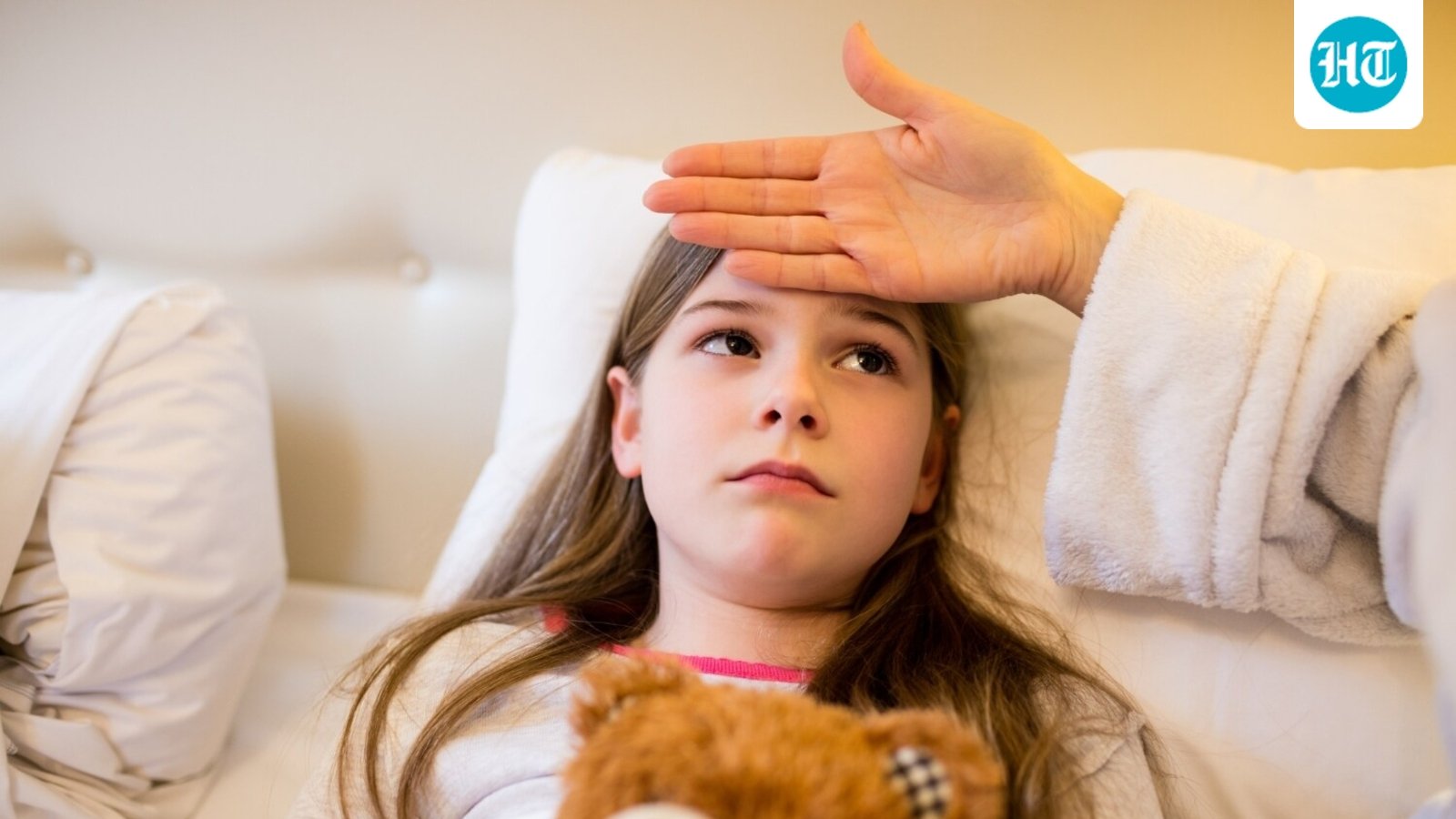
Children fall sick very easily during the season of changing weather. Temperature fluctuations and rising humidity levels affect them much more quickly. The pattern is recurrent, almost every year. But can parents prevent their children from falling sick whenever the season changes?
A pediatrician weighed in that sometimes the weather may not always be entirely to blame. Dr Ankur Chawla, consultant pediatrician at Kailash Hospital, Noida, shared why children frequently fall sick during seasonal transitions and what parents can do to reduce the risk.
What does changing weather do to children?
Children may appear to be among the first to fall sick when the weather changes, but fluctuating temperatures do not directly cause infections. The expert reminded that their immune system is developing and yet to mature.
In addition to their weakened immune response, sudden temperature changes can disrupt the natural defense mechanisms of the nose and throat.
“Abrupt changes in temperature can also affect the lining of the nose and throat. The respiratory system is protected by mucus as well as tiny hair-like projections known as cilia that help to trap and eliminate disease-causing particles,” he said.
Seasonal transitions also bring dry and cold air, which the doctor cautioned made it harder for the respiratory system to clear harmful organisms.
Can children fall sick even if they stay indoors?
Parents may keep their children indoors more often during this time to keep them safe, but staying inside may also increase their risk of falling sick.
Dr Chawla described, “When the temperature becomes unpleasant, windows often remain shut, and children spend longer periods indoors at school, daycare, or home. It makes it easier for viruses to spread because people are spending more time close to each other.”
There are many childhood illnesses that spread through the air and through frequently touched objects and unwashed hands.
He added, “The illnesses such as flu, respiratory syncytial virus and regular cold are transmitted through respiratory droplets, aerosols or contaminated hands and surfaces.”
Is it an infection or seasonal allergy?
The doctor, however, clarified that not every cough, sneeze, or blocked nose that appears during a weather change signals an infection. These symptoms may also occur when a child is exposed to pollen, dust or changing humidity levels, which can trigger allergic rhinitis.
The pediatrician differentiated, “Sneezing, nasal congestion, watery eyes and a clear runny nose are common allergy symptoms. Fever and marked fatigue, however, are more suggestive of an infection.”
What should parents do to keep children healthy?
First, to keep children healthy, parents need to pay attention to their daily habits. This means ensuring they do not sleep at irregular hours or become less physically active.
Healthy habits help support immune function, allowing the body to respond better to infections. Therefore, maintaining a regular sleep schedule, eating balanced meals, staying physically active, and ensuring adequate hydration are critical during seasonal transitions.
What are the alarming signs?
Parents need to monitor their child’s condition. The expert shared a few signs that mean medical attention is required immediately:
- Difficulty breathing
- Persistent vomiting
- Signs of dehydration
- Bluish lips
- Unusual or extreme tiredness
- Symptoms that worsen after initially improving
But parents do not need to panic every time the weather changes. The doctor shared that if you maintain good hygiene and ventilation indoors, ensure adequate sleep, and keep vaccinations up to date, it can help reduce the risk of infections.
Note to readers: This article is for informational purposes only and not a substitute for professional medical advice. Always seek the advice of your doctor with any questions about a medical condition.
