

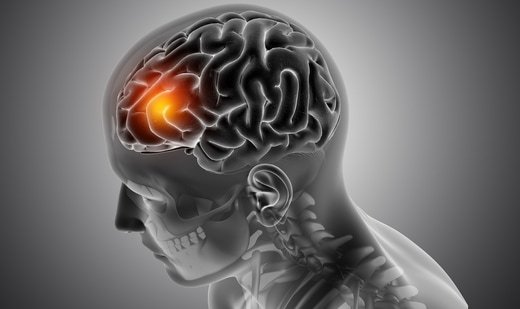
World Brain Tumour Day, observed annually on June 8, serves as a reminder of the importance of recognising the often-overlooked symptoms of brain tumours. While most headaches are harmless, certain changes in headache patterns and accompanying neurological symptoms can sometimes indicate a more serious underlying condition, including a brain tumour. (Also read: 44-year-old gastroenterologist shares 5 health lessons he wishes he knew in his 20s: ‘No bank account for lost sleep’ )
When a headache may be more than just stress
In an interview with HT Lifestyle, Dr Neha Pandita, Senior Consultant Neurologist and Unit Head, Clinical Lead – Parkinson’s Disease and Movement Disorders, Fortis Hospital, Noida, shares, “Most headaches are benign and are usually caused by stress, poor sleep, dehydration, or eye strain. But sometimes a headache that doesn’t go away or is unusual can be a warning sign of a brain tumour. The problem is that the early indications are subtle and easy to miss.”
She notes that one of the most common warning signs is a headache that gradually becomes more frequent or severe over time. “Unlike a regular headache, it might be worse in the morning, wake you up from sleep, or be accompanied by nausea and vomiting. Headaches alone are not usually a sign of a brain tumour, but any change in the pattern of your headaches should not be ignored,” she explains.
Dr Kunal Bahrani, Chairman and Group Director, Neurology at Yatharth Hospitals, echoes this concern. “Headaches are a part of modern life. They are triggered by long hours at work, screen time, poor sleep and daily stress. Most headaches are benign but sometimes they can indicate something more serious, such as a brain tumour,” says Dr Bahrani.
According to him, one of the earliest red flags is a headache that feels different from a person’s usual experience. “One of the first red flags is a different type of headache. It may be more frequent, more severe, or not respond to the usual remedies. Headaches that are worse in the morning or become more severe when you cough, bend over or exercise may be noticed by some people,” he explains.
Brain tumour symptoms that are often overlooked
According to Dr Neha, symptoms can vary depending on the location of the tumour in the brain. “Other symptoms may include unexplained vision changes such as blurred or double vision, problems with hearing, balance difficulties, or ongoing dizziness. Some people may experience weakness or numbness in an arm or leg, speech difficulties, memory problems, or noticeable changes in personality and behaviour,” she says.
Dr Bahrani adds that many warning signs are frequently mistaken for tiredness, stress, or everyday exhaustion. “These include ongoing nausea, unexplained vomiting, blurred vision, changes in hearing, difficulty concentrating and memory lapses. Some people may experience mood swings, personality changes, or unusual irritability for no reason,” he says.
He further notes that symptoms can differ depending on which area of the brain is affected. “Depending on which part of the brain is affected, you may also have problems with your balance, coordination or weakness on one side of your body. Another symptom that should not be ignored is a seizure, especially for someone who has never had one before,” he explains.
Dr Neha also highlights seizures as an important warning sign. “Seizures are another important warning sign, particularly in people without a history of epilepsy. If you have a seizure that you can’t explain, you need to get checked by a doctor immediately, even if it’s just one seizure,” she advises.
When should you see a doctor
“Persistent symptoms, progressive symptoms, or a combination of symptoms need medical attention. Prompt diagnosis can help identify the underlying cause and improve treatment outcomes,” says Dr Neha.
Dr Bahrani similarly emphasises that symptoms that linger, worsen over time, or appear together should not be ignored.
“It should be stressed that the presence of one or more of these symptoms does not indicate that a person has a brain tumour. The majority of these signs are related to much more common and less serious conditions. But symptoms that hang around or get worse over time, or that come on in combination, deserve medical attention,” he says.
Highlighting the importance of awareness rather than fear, Dr Bahrani adds, “It’s not about creating fear, it’s about awareness. Our bodies often give us little hints when something’s off. If you experience persistent symptoms, being aware of the need for prompt medical attention can help ensure serious conditions are diagnosed early and treated effectively.”
Dr Neha concludes, “You shouldn’t panic every time you have a headache, but you should be aware of changes in your body. If the headache is different from your usual pattern or is associated with neurological symptoms, it is safest to see a healthcare professional. Being aware and seeking timely medical advice can make a big difference.”
“The question is not how often you get headaches, but have they changed? If a headache feels different from the norm, it may be worth discussing it with a healthcare professional. Early evaluation can provide reassurance or, when necessary, more timely diagnosis and treatment,” Dr Bahrani concludes.
Note to readers: This article is for informational purposes only and not a substitute for professional medical advice. Always seek the advice of your doctor with any questions about a medical condition.
