

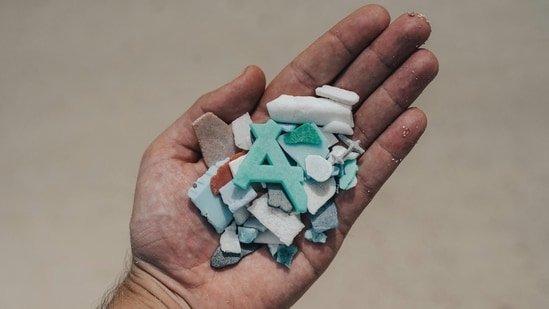
Microplastics are not just all around us, it is present inside us as well. Since they are not biodegradable and persist in the system forever, they pose a serious threat to our health. However, jumping to the conclusion that it is what is causing the rise in colon cancer deaths across the world is not warranted, shared Dr Karan Rajan, a UK-based surgeon and popular health content creator.
Taking to Instagram on April 30, Dr Rajan stated that while overall cancer death rates are going down, colon cancer mortality in individuals below 50 is increasing by 1.1 percent every year since 2005, making it the leading cause of cancer-related death.
“Right now, we’re trying to figure out all the factors driving this trend. But to attribute all of this to microplastics is a bit too simplistic,” he stated.
Can microplastics increase colon cancer risk?
Explaining the effect of microplastics on the gut, DR Rajan stated, “The best case is that they’re inert and just passing through. Research suggests correlation but not causation that microplastics may interact with gut bacteria, potentially driving low-grade inflammation.”
Microplastics may disrupt the tight junctions in the gut barrier, which can allow other harmful things to leak into the bloodstream. This can, in turn, also impair the production of short- chain fatty acids.
“The data we have so far is predominantly from animals and test tubes,” shared Dr Rajan. “And there’s a lack of long-term human-specific studies.”
How to reduce colon cancer risk?
While the effects of microplastics on colon cancer risk are yet to be established, there are definitive ways to reduce it, as per Dr Rajan. This includes things you can actually control, such as “more movement, more fibre, more plants, better sleep,” as well as getting regular screenings done.
“In terms of relative risk, lifestyle factors can reduce cancer risk by 30 to 50 percent,” he noted.
There are also ways to reduce microplastic exposure within a modern urban lifestyle. According to the surgeon, this includes limiting the use of single-use plastics and swapping them for glass, ceramic, or stainless steel whenever possible, and also avoiding heating food in plastic containers.
“A very interesting emerging research suggests that soluble fibre, the kind you get from root vegetables, whole grains, and legumes, may actually help to bind to these forever chemicals and help excrete them in your poop. Focus on what you can control,” Dr Rajan advised at last.
Note to readers: This article is for informational purposes only and not a substitute for professional medical advice. Always seek the advice of your doctor with any questions about a medical condition.
This report is based on user-generated content from social media. HT.com has not independently verified the claims and does not endorse them.
