

When it comes to liver health, the internet is overflowing with promises of “detox” drinks, miracle cleanses and quick fixes. But your liver doesn’t need a fancy potion to do its job – it needs the right support, day in and day out. From what you put on your plate to the habits you build, everyday choices can make a bigger difference than the latest cleanse trending online.
Dr Joseph Salhab, a Florida-based gastroenterologist and health content creator who specialises in digestive, liver, pancreatic, and nutritional health, is breaking down what you should focus on for better liver health instead of relying on detoxes and cleanses promoted online. In an Instagram video shared on September 6, the gastroenterologist highlights how your diet and nutrition can help support and protect your liver.
How to protect liver health?
Many people turn to detox drinks believing they can cleanse the liver and help protect against disease. However, Dr Salhab points out that there is no “magic” liver detox that can boost liver health. Instead, what you eat and your overall nutrition play a far more important role in supporting the liver.
He explains, “There is no magic liver detox or cleanse. Your liver already has its own detoxification system. What actually helps is building your day around foods that support fatty liver, metabolic health, inflammation, and overall liver health. Your liver doesn’t need a cleanse. It needs consistency.”
What to eat for liver health
Breakfast
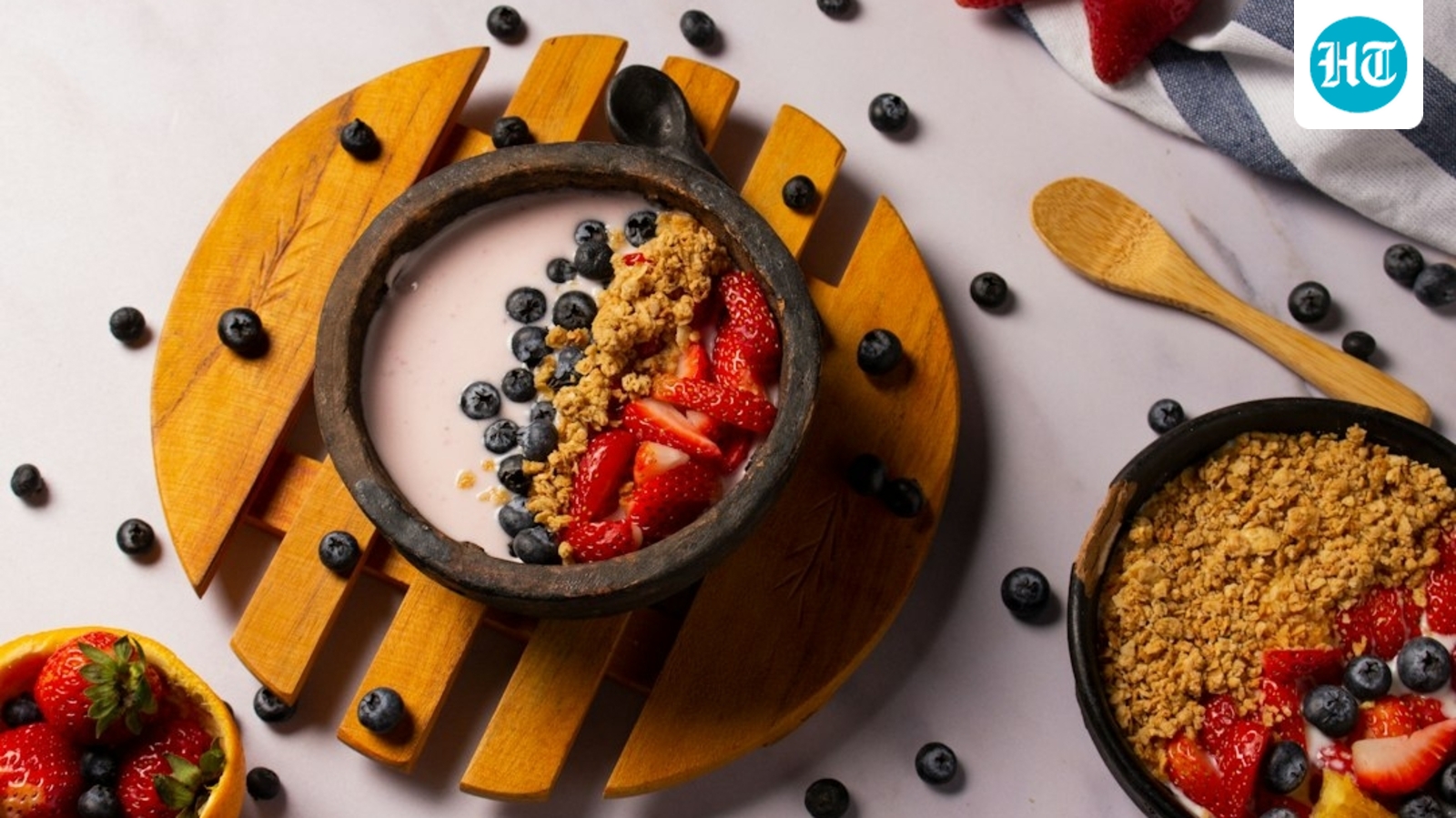
What you choose for breakfast can play a role in supporting liver health by providing essential nutrients. The gastroenterologist recommends, “Even something as simple as eating breakfast regularly has been associated with a lower risk of fatty liver in observational research. For breakfast, Greek yoghurt with chia seeds, walnuts, and blueberries gives you protein, fibre, probiotics, healthy fats, and antioxidants.”
Lunch
For lunch, Dr Salhab recommends a balanced meal rich in omega-3 fatty acids, protein, fibre and healthy fats to support and protect liver health. He notes, “For lunch, sardines with white beans, olive oil, tomatoes, and avocado give you omega-3s, fibre, plant protein, and healthy fats.”
Dinner
For your final meal of the day, the gastroenterologist recommends a dinner packed with protein, omega-3 fatty acids, fibre and cruciferous vegetables to support liver health. He explains, “For dinner, miso salmon with sweet potatoes and broccoli gives you protein, omega-3s, fibre, and cruciferous vegetables that support the liver’s natural detoxification pathways.”
Beverages
Dr Salhab recommends drinks rich in antioxidants and plant compounds such as polyphenols, which may help support the liver’s natural detoxification processes. He highlights, “For drinks, black coffee, green tea, matcha, and berry smoothies are some of my favourites because they’re rich in polyphenols and antioxidants. Coffee in particular is one of the best-studied drinks for liver health.”
Desserts
Did you think eating for better liver health means saying goodbye to dessert and leaving your sweet cravings unsatisfied? Not quite! While frequently consuming processed sugary snacks and drinks may not be ideal for liver health, there are plenty of wholesome alternatives you can enjoy. The gastroenterologist recommends, “Dessert can still fit. Apples with nut butter, dark chocolate, honey, and cinnamon can give you fibre, polyphenols, healthy fats, and something sweet.”
Note to readers: This article is for informational purposes only and not a substitute for professional medical advice. It is based on user-generated content from social media. HT.com has not independently verified the claims and does not endorse them.
Dr Joseph Salhab is a gastroenterologist providing services in central Florida. He received his medical degree from Lake Erie College of Osteopathic Medicine, Bradenton Campus, and has been in practice for over a decade. He has expertise in treating gastroenteritis and upper GI endoscopy, among other conditions.
