

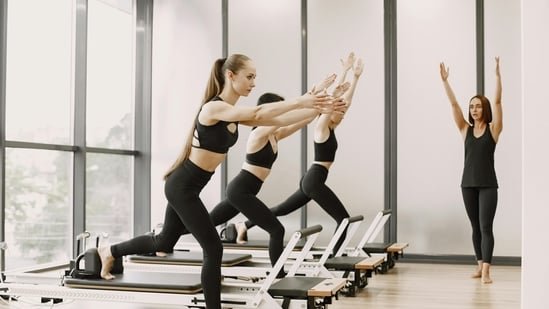
To stay fit and healthy, exercise is essential. But movement today is divided into distinct fitness categories, each carrying its own image and aesthetic, from celebrity-coded Pilates paired with matcha runs, to calming and meditative yoga, and the rigorous, intensive strength training. With so many workout styles in the wellness culture, it is not unusual to get confused regarding which form of movement your body actually needs.
ALSO READ: Can Pilates help manage PCOS? Know the 5 exercises that ease symptoms
To understand which one is suitable, in a conversation with Chavi Singhal, founder and mind-body wellness coach at Ishva Wellness, approached the Pilates vs yoga vs strength training debate with a nuanced perspective. She explained that each movement style serves a completely different function in the body, and the right choice ultimately depends on your wellness priorities.
“The truth is, the body does not need one form of movement; it needs balance,” she emphasised, stressing the importance of building balance into your exercise routine.
Let’s quickly go through each workout style and understand the function each one serves
1. Pilates
Pilates is often very popular in the wellness culture, a very soft, clean-girl-coded one, driven by celebrities and wellness influencers alike. What is the core focus? The coach explained, “Pilates focuses on core strength, alignment, controlled movement, and muscle activation. Unlike high-impact workouts, Pilates trains the body intelligently.”
Pilates further works on strengthening the body’s deeper supporting muscles while improving posture, balance, coordination, and overall body awareness. It is beneficial for those managing back pain; in turn, it also helps in aiding recovery and supporting long-term functional fitness.
Now, what is the result after you do Pilates? Isha observed that people report improved muscle tone and a leaner appearance through consistent Pilates practice.
2. Yoga
Next is yoga, which the coach believed is excellent for improving flexibility, mobility, breathwork, and nervous system regulation. This is especially helpful in today’s overstimulating and stress-inducing world. “Yoga is beneficial for people dealing with stress, stiffness, hormonal imbalance, or poor sleep,” she said, highlighting the various benefits yoga can offer.
3. Strength training
Lastly, according to the coach, strength training is something that should have a non-negotiable place in one’s routine, especially with age. “Strength training helps build muscle mass, improve bone density, boost metabolism, and support overall longevity.” Among all the workout styles, strength training supports multiple essential functions of the body, including maintaining energy levels, mobility, hormonal health, and preventing injuries. Most importantly, it helps build long-term physical resilience, allowing the body to stay stronger, more stable, and functional with age.
Which one should you choose?
Instead of asking ‘which workout is better?’, the mindset should be geared towards understanding, ‘what is my body lacking?’ Different forms of exercise serve different purposes, and the right choice depends on your individual wellness needs and lifestyle. To make this easier, the coach shared a simple guide with pointers to help identify which form of movement may suit your body best.
- If the body feels tight, anxious, or fatigued – yoga can help restore balance.
- If anyone struggles with posture, core weakness, or chronic pain – Pilates can be transformative.
- If the goal is longevity, fat loss, metabolic health, or building physical resilience – strength training is necessary.
Should you include all three? According to the coach, yes, a balanced routine can combine all three forms of movement. “Even 2-3 sessions a week of mixed movement can create significant long-term benefits.”
In the end, it is important to understand that there is no single ‘best’ workout. Each of them provides a distinct support, whether in the form of strength, flexibility, recovery or stress relief. Instead of blindly going with whatever is trending, look within and see what you need, so that your workout routine can become more sustainable.
Note to readers: This article is for informational purposes only and not a substitute for professional medical advice. Always seek the advice of your doctor with any questions about a medical condition.
