

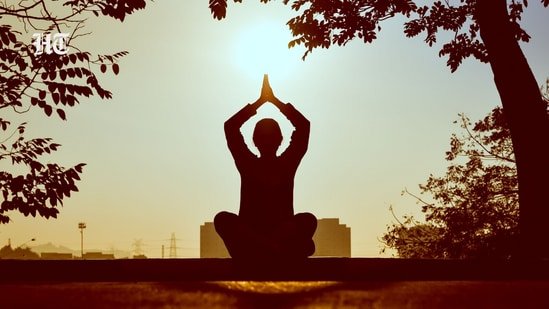
As conversations around workplace stress, burnout and mental well-being continue to grow, many people are looking beyond traditional fitness routines and exploring practices that support both body and mind. Ahead of International Yoga Day happening on June 21, 2026, a wellness and life coach Sangeeta Sharma, says yoga offers something that many modern lifestyles are missing.
Sangeeta Sharma shares with HT that Yoga is not just an exercise. It is a conversation between the body and the self.
According to her, yoga works on multiple layers of a person’s experience, combining movement, breath and awareness. While many people approach yoga as a form of physical activity, she believes its deeper value lies in helping individuals slow down and listen to what their body is trying to communicate.
Also Read Ahead of International Yoga Day, a spiritual teacher explains the nine chakras and their purpose
Why burnout feels different from ordinary tiredness
Sangeeta says one of the biggest challenges she sees among professionals today is burnout.
“Tiredness resolves with rest. Burnout is something different. It is the nervous system saying it has been running on survival mode for too long,” she explains.
Long working hours, constant notifications and pressure to perform can leave people feeling disconnected from themselves. According to Sangeeta, what many individuals experiencing burnout have lost is not simply energy, but a sense of inner balance.
She notes that yoga practices involving breathwork and mindful movement can help people step away from a constant state of stress and create space for recovery.
The role of breath in calming the mind
Among the many tools yoga offers, Sangeeta believes breathwork is one of the most accessible.
“Breathwork is the most immediate entry point. When we breathe in rhythm, four counts in and four counts out with brief holds between, the nervous system settles almost at once,” she says.
Also Read Why is breathing the doorway to deep meditation? According to a spiritual centre
She explains that intentional breathing can help release tension that has built up over time and encourage a greater sense of calm. For people dealing with anxiety or feeling overwhelmed, focusing on the breath may offer a simple way to become more present.
How can yoga support emotional well-being?
According to Sangeeta, yoga is not only about flexibility or physical strength. She says movement and breathing practices can also influence emotional well-being.
“When someone moves their body with intention, something in the physical layer begins to shift. When they breathe with rhythm, the energy body responds. Emotions that had no outlet find one, quietly, often without the person even naming what moved,” she says.
A practice that meets you where you are
For those struggling with stress, anxiety or workplace pressure, Sangeeta says yoga’s enduring appeal lies in its accessibility.
“Yoga has lasted thousands of years because it does not ask the body to be something it is not. It starts where the body actually is,” she says.
As International Yoga Day approaches, the wellness coach encourages people to view yoga not as a performance or fitness challenge, but as a practice that helps create awareness, balance and a deeper connection with themselves. In a world that often rewards constant productivity, she believes even a few mindful moments on the mat can make a meaningful difference.
