

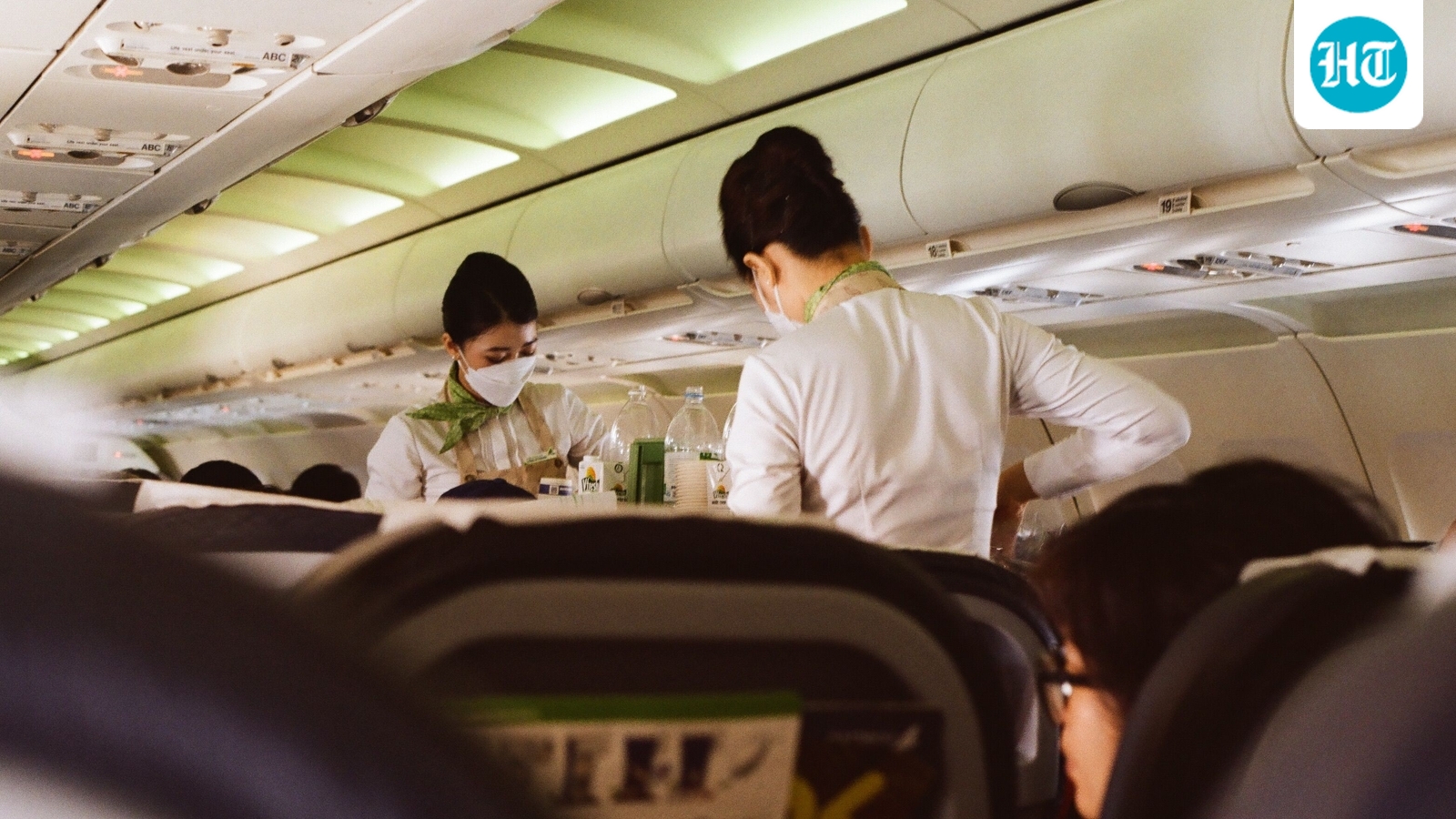
Serving meals 30,000 feet above the ground is no small feat. Add to that the fact that our taste buds and sense of smell are the first things to go at that high altitude, which is why many meals taste so bland: our perception of saltiness and sweetness drops in a pressurised cabin. So, how do some airlines try to defeat this aspect of human biology?
Also Read | ‘India is far superior to Italy’: Indian man complains after bad experience on Naples train with no AC
Singapore Airlines is one of the biggest commercial airplane networks. In fact, the World Airline Awards, in its 2025 edition, ranked Singapore Airlines second in the world after Qatar Airways, and its catering facility is one of the reasons.
How does Singapore Airlines make 50,000 meals every day?
In a February 2023 YouTube video shared by Business Insider, Singapore Airlines revealed that its catering engine prepares meals for nearly 20 million passengers a year, operating 24 hours a day, 365 days a year, which equates to roughly 50,000 meals a day.
Located inside Changi Airport in Singapore, the airline’s largest catering facility is operated by its partner, SATS, which employs a team of over 1,000 workers who handle 800 to 1,000 menus on any given day. Check out the operations here:
How to make the food taste good on an airplane?
Airplane meals, like us, can’t miss their flights. So, chefs move with military clockwork to stay within flight schedules and food safety requirements. Then there’s the added issue that food can taste different in the sky due to air pressure, engine noise, and dryness on the plane.
The catering team uses a pressurised simulation room to test and taste recipes under flight conditions before they are approved. Moreover, to prevent food from drying out, chefs cook premium cabin meats only to 30% to 40%. Meanwhile, other hot foods, like vegetables and pasta, are cooked to 50% to 60% doneness, so they remain firm and al dente. Once cooked, the cooking process is instantly halted using a blast chiller.
On flights, attendants use the residual heat from onboard steam ovens to finish cooking food just before service. The airline also ensures that, from the moment cooking begins until a passenger eats, the entire timeline must not exceed 72 hours. If a meal goes over this safety window by even a single hour, it fails food safety standards and must be thrown out.
The menu
Depending on where you board a Singapore Airlines flight and which cabin class you are travelling in, your food menu changes. The airline takes 9 to 12 months to create a single new dish. It also coordinates menus from 77 different departure locations to ensure regional variety, offering local staples like chicken and rice on flights departing Singapore or smoky trout salad on flights departing New York.
Moreover, deep-fried items such as French fries or chicken wings are banned because they become soggy. Thin fish like sea bass are also avoided because they dry out easily; instead, thicker cuts like cod and salmon are used, as they withstand reheating in the cabin.
Note to readers: This article is for informational purposes only and is based on user-generated content from social media. HT.com has not independently verified the claims and does not endorse them.
