

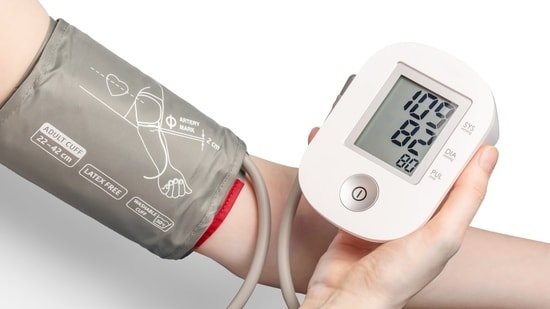
High blood pressure is often framed as a simple numbers game – cut down on salt, and you’re on the right track. But in reality, blood pressure regulation is far more complex, shaped by a range of interconnected factors within the body. While sodium intake remains an important piece of the puzzle, doctors increasingly highlight that focusing on salt alone can overlook other key drivers of hypertension. To truly keep blood pressure in check, it’s essential to consider the broader picture which includes overall metabolic balance.
Dr Jeremy London, a board-certified cardiothoracic surgeon with 25 years of experience, is breaking down a commonly overlooked factor in blood pressure regulation – and it isn’t salt. In an Instagram video shared on April 20, he explains that while sodium often takes centre stage in conversations around hypertension, sugar intake and blood glucose levels also play a significant and often underestimated role.
What happens when you eat excess sugar?
When it comes to managing blood pressure, salt tends to take all the blame, however, according to Dr London, sugar also plays a significant, often overlooked role. Diets high in added sugars and refined carbohydrates can disrupt glucose balance and impair insulin sensitivity, quietly contributing to long-term cardiovascular risk.
He explains that frequent consumption of these foods causes repeated spikes in blood glucose, which in turn triggers higher insulin production. Over time, persistently elevated insulin levels can make cells less responsive to its signals – a condition known as insulin resistance.
The heart surgeon notes, “When most of us think about high blood pressure, we think salt. And this is truly a critical component. But one of the things we don’t think about is sugar. When you eat excess sugar or refined carbohydrates, your blood glucose levels increase and consequently your insulin levels go up. Chronically elevated levels lead to a situation where your cells stop listening to the insulin signals. This is insulin resistance.”
The cascading effects of insulin resistance
Dr London notes that insulin resistance has a particularly “interesting” impact on the kidneys. It prompts them to retain more water – and with it, sodium – thereby increasing blood volume and, in turn, raising blood pressure. At the same time, it reduces levels of nitric oxide, a compound essential for relaxing and widening blood vessels.
Compounding the issue, insulin resistance also activates the body’s fight-or-flight response through the sympathetic nervous system, keeping blood vessels in a persistently constricted state. Over time, this sustained pressure and reduced flexibility can lead to vascular damage, further elevating cardiovascular risk.
The heart surgeon explains, “This has an interesting impact on the kidneys. It tells the kidneys to actually hold on to, you guessed it, salt and water, which increases blood volume and increases blood pressure. It decreases nitric oxide, which normally relaxes blood vessels. So, blood vessels become very constricted. High sugar intake also stimulates the sympathetic nervous system, increasing heart rate, renin secretion, and vascular resistance. It sets off a cascade of the fight-or-flight response, so that blood vessels are very, very tense and constricted. Over time, this damages blood vessels.”
Pay attention to your metabolism
Dr London emphasises that salt, sugar, and insulin are not isolated factors – they are all deeply interconnected through your metabolism. It’s this metabolic balance, he stresses, that deserves closer attention rather than focusing on a single factor in isolation.
Clinically, doctors often observe that individuals with high blood pressure also present with insulin resistance and features of metabolic syndrome – both of which significantly heighten the risk of cardiovascular disease. In that sense, managing blood pressure isn’t just about cutting down on salt; it’s about keeping your glucose levels stable and addressing the broader metabolic picture that underpins it all.
The heart surgeon explains, “It’s not just salt, it’s sugar, it’s insulin, it’s your metabolism. Now, none of these things happen independently and we frequently see high blood pressure and insulin resistance with metabolic syndrome, which is a significant risk factor for cardiovascular disease. Here’s the takeaway. Control your glucose in addition to the other factors and have an easier time controlling your blood pressure.”
Note to readers: This article is for informational purposes only and not a substitute for professional medical advice. It is based on user-generated content from social media. HT.com has not independently verified the claims and does not endorse them.
