

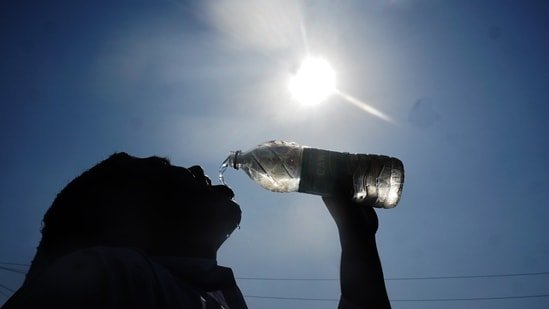
Summer heat, especially with ongoing heatwave is brutal and can heavily weigh on your internal organs. Simultaneously, many things are happening when you are out in the sun, from profuse sweating and dehydration to constantly navigating hot, dusty winds and polluted air. All of these pile up and stress several physiological systems, especially the respiratory system.
ALSO READ: How to stay safe in heatwave? Doctor suggests ‘golden rules’ to prevent heat exhaustion
Let’s understand how the lungs get affected during extreme heat, especially in people who are already vulnerable, such as those living with asthma, Chronic Obstructive Pulmonary Disease (COPD), allergies or other respiratory illnesses.
To understand how the lungs get affected during extreme heat, especially in people who are already vulnerable, such as those living with asthma, Chronic Obstructive Pulmonary Disease (COPD), allergies or other respiratory illnesses, HT Lifestyle spoke with Dr K. Yugaveer Goud, consultant interventionalist pulmonologist at Yashoda Hospitals, who helped to elaborate which elements of summer heat impact your respiratory system.
He disclosed his observation that people often suffer from irritation and experience difficulty breathing during extreme heat conditions.
What does extreme heat do to respiratory system?
Generally, it is assumed that extreme heat only affects body temperature by increasing the internal core temperature. But in reality, its impact exceeds beyond that, placing much more stress on internal systems, including the respiratory system, heart function and oxygen regulation.
“During very hot weather, the body works harder to cool itself through sweating and increased blood circulation. This can increase breathing and heart rates, which may worsen breathlessness and fatigue in vulnerable individuals,” the pulmonologist described what extreme heat does to respiratory system.
How does humidity trigger breathing problem?
Aside from extreme heat, humidity is also another major trigger that can worsen breathing difficulties.
“Heavy, moist air feels harder to breathe and can trap pollutants, smoke, and allergens close to the ground. At the same time, summer heat increases ozone and smog levels, particularly in urban areas, which can trigger coughing, wheezing, chest tightness, and asthma attacks,” Dr Goud described.
The double trouble of heat and humidity exacerbates respiratory discomfort, making breathing feel heavier and more exhausting, especially for people already dealing with asthma, COPD or another lung-related conditions.
The double trouble of heat and humidity exacerbates respiratory discomfort, making breathing feel heavier and more exhausting, especially for people with asthma, COPD or other lung related conditions.
Common symptoms during extreme heat
The effects of extreme heat do show up through several respiratory warning signs, especially in people already living with asthma, COPD, or other lung-related conditions. Here are a few signs that people with asthma or COPD may notice which may mean the heat is starting to affect their lungs:
- Increased breathlessness
- Wheezing
- Persistent coughing
- Chest tightness
- Fatigue
- Increased mucus production
When asked about the severe symptoms that require prompt medical attention, the doctor revealed that warning signs such as bluish lips, confusion, dizziness, or difficulty speaking due to breathlessness can be dangerous and should never be ignored. These symptoms may indicate severe respiratory distress and one should urgently seek medical care.
Who is most vulnerable?
While extreme heat can affect anyone, some groups like people with asthma or COPD, elderly people or young children, smokers, outdoor workers are much more vulnerable to respiratory issues during heatwaves. There are various factors responsible, like weaker immunity, pre-existing lung or constant contact with polluted air can significantly increase the risk of breathing difficulties and heat-related health problems.
Simple ways to protect your lungs
Here are the recommendations from the pulmonologist on how to keep yourself safe during the summer:
1. Stay indoors during peak heat: Avoid going outdoors between 11 AM and 4 PM when temperatures and pollution levels are highest.
2. Monitor air quality: Check the Air Quality Index (AQI) regularly and reduce outdoor activity when pollution levels are poor.
3. Keep indoor air cool: Use fans, air conditioners, or dehumidifiers, keep curtains closed during the day. Avoid indoor smoking and strong chemical fumes
4. Stay hydrated: Drink enough water and fluids throughout the day. Dehydration can thicken mucus in the airways and worsen breathing problems.
5. Avoid heavy exercise outdoors: If exercise is necessary, choose early mornings or evenings and take frequent breaks.
6. Continue prescribed medications: People with asthma or COPD should continue inhalers and carry rescue medication at all times.
Note to readers: This article is for informational purposes only and not a substitute for professional medical advice. Always seek the advice of your doctor with any questions about a medical condition.
