

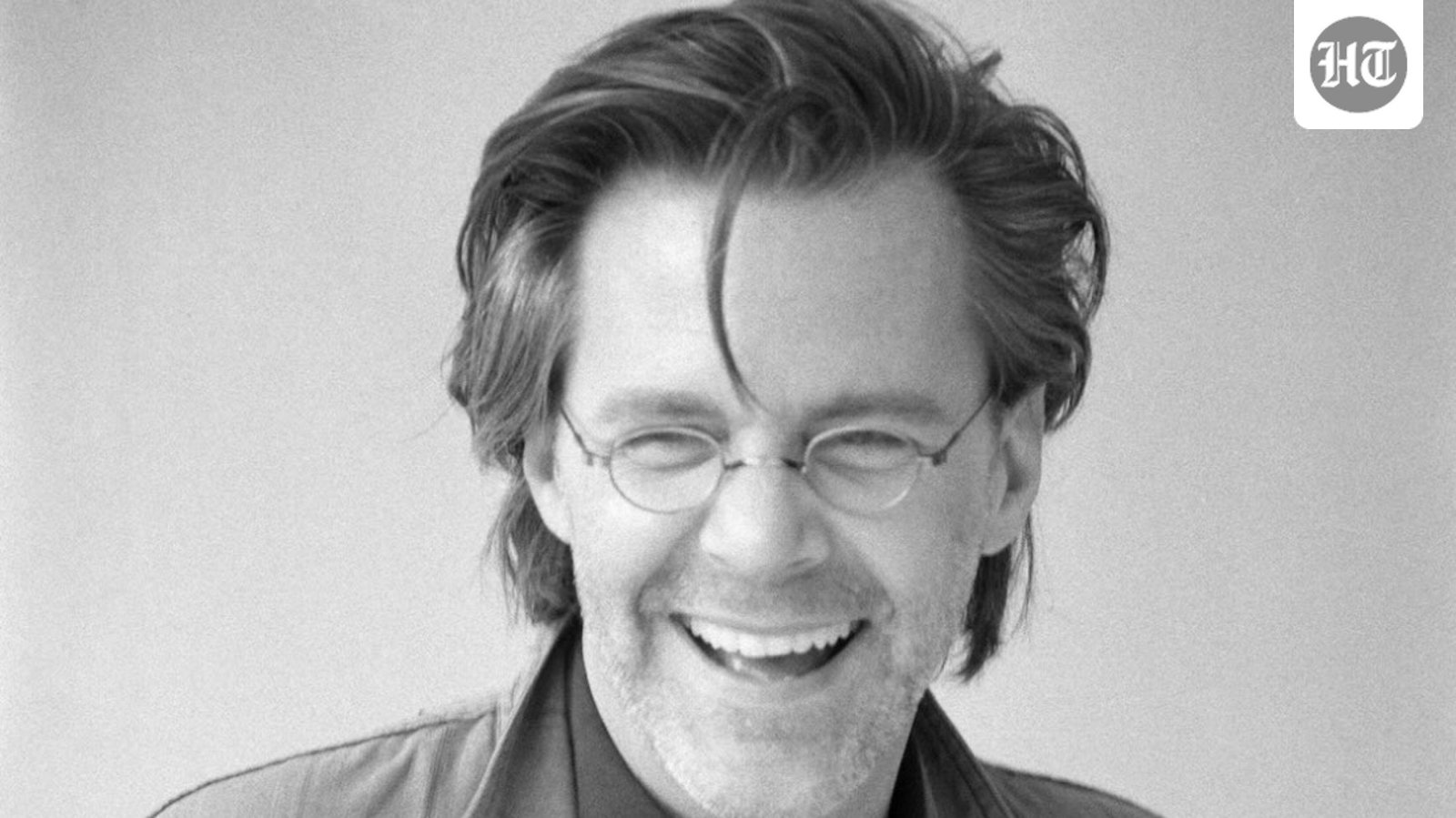
Peter Nagy, founder of Nature Morte gallery, a contemporary art gallery in New Delhi, passed away aged 67. A statement put out by the gallery on Tuesday late night stated that Nagy had “passed away after a long illness”.
“Peter was clear that, when the time came, the gallery should not close its doors in mourning. To him, an exhibition was never about the gallery. It belonged to the artist who had poured themselves into it and to everyone who came to see it. He believed an artist’s moment should never be put on hold, and that the truest way to honour a life given to art is to keep showing it. Respecting his wishes, our doors remain open,” the statement read.
Nagy, who was born in Connecticut, USA, first co-founded Gallery Nature Morte with artist Alan Blecher in New York City’s East Village in 1982.
The gallery operated for five years, and Nagy moved to India in 1992. He reopened the gallery in New Delhi in 1997. It opened in Mumbai in 2024.
In August, the gallery celebrated its 30th year by moving into a new permanent space in Gulmohar Park in August.
It also opened a two-part exhibition, which Nagy curated, that brought together 35 artists from the gallery’s roster built over the years.
The exhibition reflected on the position of contemporary artists in an art world transformed by digital revolutions, globalisation and identity politics.
Over the years, the gallery has built a strong roster of artists which includes well known contemporary names like Jitish Kallat, Subodh Gupta, Bharti Kher, LN Tallur, Mrinalini Mukherjee and Manu Parekh among others.
Nagy, too, was a practitioner of art. He attended New York’s Parsons School of Design and graduated in 1981.
In the mid-1980s, he exhibited his works with the International With Monument Gallery, a New York based space that “brought early attention to Jeff Koons, Ashley Bickerton and Peter Halley,” the ArtNews reported.
He exhibited in the 1985 Whitney Biennial as part of the collective, Group Material. The same group also showed in the 1987 edition of Documenta in Kassel, Germany.
“I was interested in the degradation of the image and the information that the image contained. I was really into this idea: making copies of copies and noticing how long the original information maintained its integrity the longer I continued,” he told the website in an interview in 2020.
Apart from his curatorial chops, Nagy was also well known art-dealer, and played an important role in bringing international attention on the Indian contemporary art market.
