

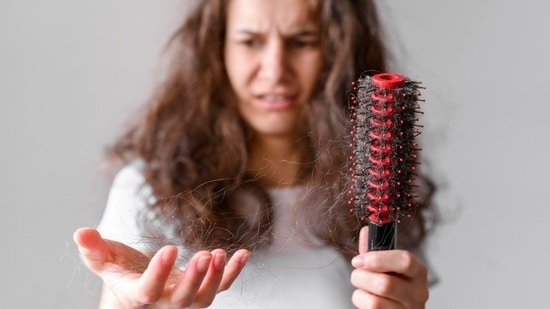
Noticing more strands of hair collecting on your shower drain or clumps falling out every time you brush your hair can be worrying. While occasional shedding is normal, excessive hair fall is often linked to underlying nutritional deficiencies that quietly affect hair growth and follicle health over time. Experts say that in many cases, identifying and correcting these deficiencies can help reduce shedding and support healthier, fuller-looking hair.
Also Read | US doctor warns that antibiotics can disrupt your gut microbiome for months; shares 5 facts about gut health
Dr Kunal Sood, an anaesthesiologist and interventional pain medicine physician, has shared five nutrient supplements that may help reduce hair fall and excessive shedding by addressing the underlying nutritional deficiencies often linked to these concerns. In an Instagram video shared on May 19, the physician explains, “Hair shedding is often influenced by nutrient status, inflammation, follicle cycling, and overall metabolic stress. In some people, correcting nutritional deficiencies can reduce shedding and support healthier growth cycles. Hair often looks fuller not because supplements instantly grow new hair, but because reducing follicle stress and correcting deficiencies may gradually decrease shedding over time.”
Iron + vitamin C
According to Dr Sood, hair follicles rely on iron for healthy growth and function. Low iron levels can worsen hair shedding by pushing hair follicles into their resting phase. Additionally, vitamin C plays an important role in improving iron absorption while also supporting collagen synthesis, which contributes to overall hair health.
He explains, “Hair follicles are highly metabolically active and depend on iron for growth. Low iron stores can push follicles into a resting phase and increase diffuse shedding. Vitamin C helps improve non-heme iron absorption and supports collagen synthesis around follicles.”
Vitamin D
Dr Sood highlights that low vitamin D levels can also contribute to hair fall, as the vitamin plays a key role in regulating hair follicle cycling and immune signalling. Vitamin D deficiency has been linked to several hair loss-related disorders, making adequate levels important for maintaining healthy hair growth.
He emphasises, “Vitamin D receptors help regulate follicle cycling and immune signaling. Low vitamin D levels have been associated with telogen effluvium, alopecia areata, and female pattern hair loss, especially when deficiency is present.”
Zinc
The physician highlights that zinc plays an essential role in supporting DNA synthesis, protein production and cell division in growing hair follicle cells. A zinc deficiency can contribute to increased hair shedding and brittle strands. However, excessive zinc intake may do more harm than good, as it can interfere with the absorption of other important minerals in the body.
He explains, “Zinc supports DNA synthesis, protein production, and cell division in rapidly growing follicle cells. Deficiency has been linked with shedding and brittle hair, although excessive zinc may also create problems by interfering with copper absorption.”
Omega-3s
Omega-3 fatty acids help reduce inflammation and oxidative stress in the body, which in turn can support overall scalp and hair follicle health. In some people, they may also help improve hair density and reduce excessive shedding.
Dr Sood notes, “Omega-3 fatty acids may support scalp and follicle health through anti-inflammatory and oxidative stress pathways. Studies suggest they may help improve hair density and reduce telogen shedding in some patients.”
Collagen
According to the physician, collagen peptides provide amino acids that help support the connective tissue surrounding hair follicles. Clinical evidence also suggests that collagen may help maintain a healthier follicle environment and support overall hair health.
Dr Sood explains, “Collagen peptides provide amino acids involved in connective tissue support around follicles. Evidence suggests collagen may support the follicle environment, although much of the research is still preclinical rather than strong standalone human trials.”
Note to readers: This article is for informational purposes only and not a substitute for professional medical advice. It is based on user-generated content from social media. HT.com has not independently verified the claims and does not endorse them.
