

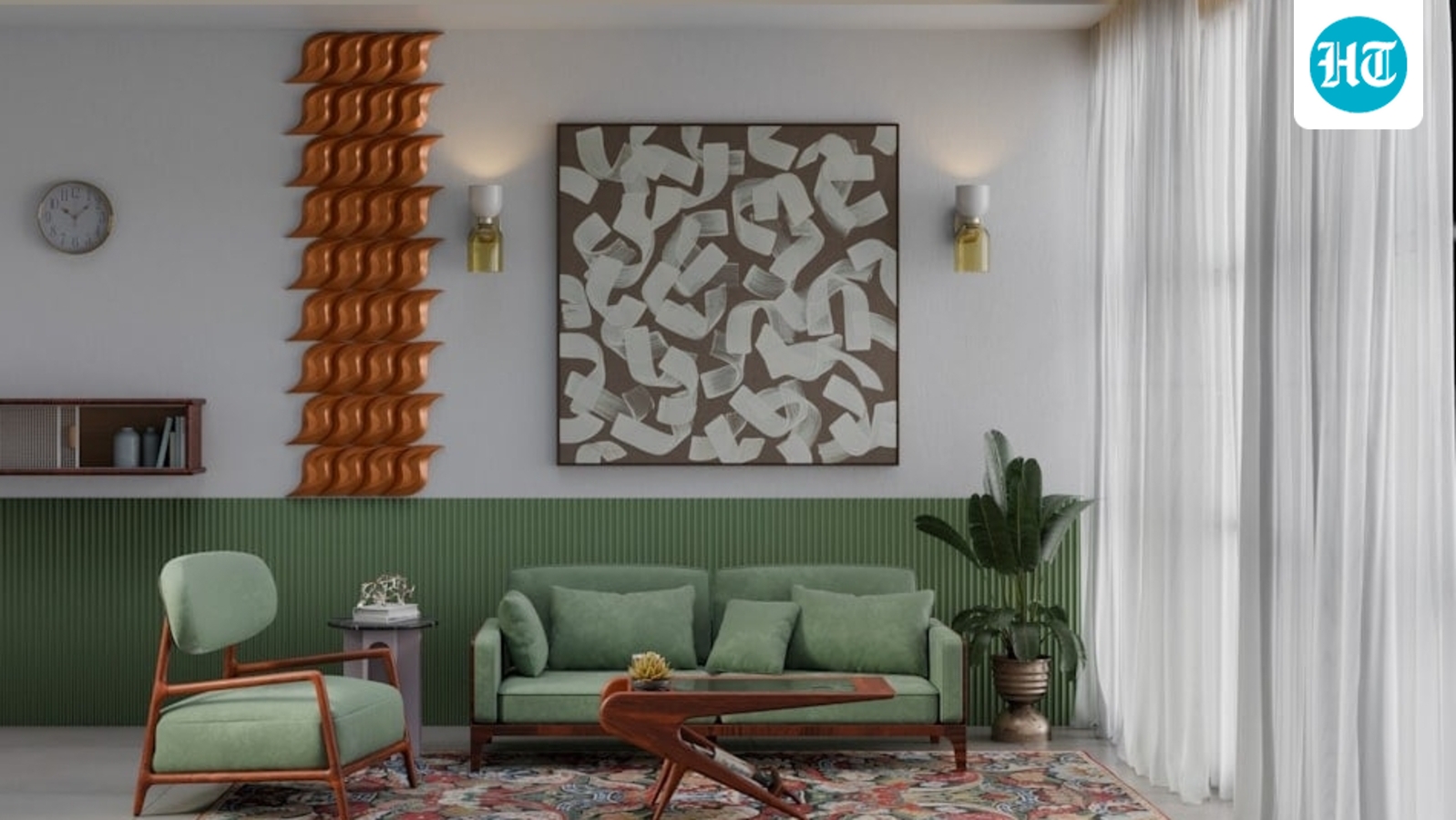
Urban homes are getting more compact, but still, the longing for open, bright, and airy interiors remains. At the same time, adequate storage is essential, requiring homeowners to add cabinets and shelves. But in an already small home, these additions can make space feel even more cramped. This raises a common question: how can you create adequate storage without sacrificing precious living space?
ALSO READ: Planning to revamp your living room? 5 decor trends to follow and outdated styles to avoid
Praveen Joseph, Assistant Vice President – Records Management (South Asia), Crown Worldwide Group, shared his insights on the growing mismatch between changing home sizes and interior preferences.
He said, “As a professional who has spent more than two decades in the storage industry, I have observed that millennials largely prefer homes that feel open and spacious. They are drawn to bigger windows, natural light, and minimal interiors. But the preference is emerging at a time when urban homes are becoming increasingly compact.”
To put it simply, homeowners face a practical design challenge. They want uncluttered, airy interiors, but smaller homes may not have enough space to accommodate everyday belongings. So, should they compromise on storage or prioritise spacious interiors?
The expert believed that the solution was to find a middle ground that catered to both needs. He recommended invisible storage.
“One practical way to strike this balance is through invisible storage. It is about creating places for belongings without making storage the dominant feature of a room. It can be built into furniture, tucked into unused areas or designed to blend naturally with the overall look of the home,” he described the solution.
It is actually very productive, as with invisible storage, your room is organised, all your essentials are stored, but your room does not look crowded. The technique uses underutilised areas and design elements that merge with the rest of the interiors.
Praveen shared these techniques:
1. Make use of overlooked spaces
- The space above wardrobes, beneath a staircase, or in unused corners can often be turned into discreet storage areas.
- They can be used to keep belongings out of sight without additional floor space.
2. Choose furniture with built-in storage
- Ottomans, benches, beds or coffee tables with hidden compartments can provide additional storage and replace the need for a separate storage unit.
3. Think vertically
- Wall-mounted shelves and cabinets can help make better use of vertical space while keeping the floor area open.
- A creative floating shelf has the potential to add more personality to the room.
We also asked whether any particular type of storage was gaining popularity in India. The expert named valet storage. He said, “India is seeing the emergence of valet storage. It takes the idea of invisible storage a step further. Suitcases filled with woollens, unused sports equipment, or sentimental items that are not needed every day can be picked up, stored securely, and brought back when required. The items that never found a designated spot in the house can finally have a place to rest. The idea is quite simple. We should be able to keep the things we value without letting them take over the space we live in.”
This concept goes beyond conventional storage. Valet storage allows homeowners to move infrequently used belongings out of the house without permanently discarding them. The service collects and stores these items elsewhere, returning them whenever required.
