

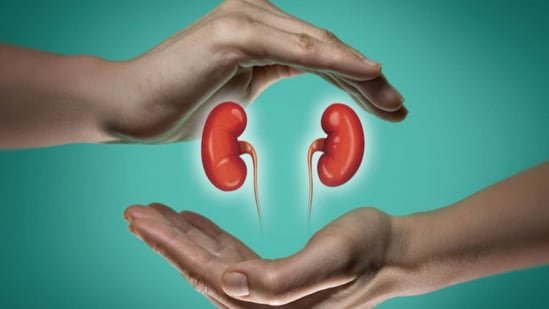
While diabetes and hypertension remain the primary drivers of kidney failure, medical experts are sounding the alarm on hidden threats that often fly under the patient’s radar. Also read | Kidney disease symptoms to look out for and when to get treated
In an interview with HT Lifestyle, Dr Anurag Gupta, a senior consultant nephrologist and dialysis director at Sir Ganga Ram Hospital, Delhi, with two decades of experience, warned that lifestyle factors like chronic burnout and over-the-counter painkillers are fueling a silent epidemic of chronic kidney disease (CKD).
Chronic kidney disease: a ‘silent’ decline
CKD is notoriously difficult to detect without clinical testing because the kidneys are masters of compensation until they reach a breaking point, Dr Gupta explained. “CKD occurs when the kidneys become damaged over time and can no longer filter blood properly. As kidney function declines, waste and fluid build up in the body, often without noticeable symptoms in the early stages. Many people remain unaware until significant damage has already occurred,” he shared.
To provide clinical context, Dr Gupta noted that CKD is formally defined by ‘reduced kidney function (eGFR <60 mL/min/1.73 m² for more than three months) or evidence of kidney damage’. While he acknowledged that elevated blood sugar and hypertension are the ‘most common causes’, he highlighted that ‘several everyday factors quietly contribute to kidney damage’.
The toll of chronic stress and burnout
Perhaps the most overlooked factor in modern renal health is the physiological impact of a high-stress lifestyle – Dr Gupta highlighted that the ‘fight or flight’ response isn’t just a feeling; it’s a systemic strain. “When this state persists, it can damage blood vessels and strain the kidneys,” he said, adding, “Chronic stress also increases cortisol levels, leading to sodium retention, fluid buildup, and further elevation in blood pressure.”
The danger of stress is twofold, affecting both biology and behaviour, Dr Gupta observed: “Stress often drives unhealthy behaviours such as poor diet, lack of exercise, smoking, and inadequate hydration — all of which further increase kidney risk.“
Sleep and medication: the overlooked vulnerabilities
Dr Gupta identified sleep as a critical period for renal regulation that many patients sacrifice. “Sleep is essential for regulating blood pressure, hormones, and inflammation,” he noted. “Poor sleep — whether due to insomnia, short sleep duration, or disrupted sleep — can lead to sustained hypertension, metabolic disturbances, and increased inflammatory markers,” Dr Gupta added.
Beyond lifestyle, the medicine cabinet itself can be a source of injury. Nonsteroidal anti-inflammatory drugs (NSAIDs) — common painkillers available over the counter — pose a specific risk to renal perfusion. “These commonly used painkillers act by inhibiting prostaglandins, which help maintain kidney blood flow,” Dr Gupta warned. “In vulnerable states such as dehydration, illness, or reduced circulation, this can lead to reduced renal perfusion and acute kidney injury. Chronic or indiscriminate use can contribute to long-term kidney damage,” he added.
Roadmap for renal protection
While CKD has no permanent cure, Dr Gupta maintained that early intervention can significantly alter the disease’s trajectory.
1. Clinical screening: utilise blood tests to measure eGFR and urine tests to check albumin levels to stage the severity of kidney function.
2. Identify hidden threats: evaluate ‘often overlooked’ contributors, including chronic stress, poor sleep, dehydration, and the use of nephrotoxic drugs.
3. Aggressive management: focus on ‘controlling blood pressure and blood sugar, reducing proteinuria, and avoiding nephrotoxic drugs’.
4. Lifestyle integration: adopt healthier practices by increasing hydration and reducing intake of salt, processed foods, and alcohol.
“The challenge with kidney disease lies in its silent nature. Awareness is crucial,” Dr Gupta concluded, adding, “Recognising these hidden threats early can help preserve kidney function and prevent progression to advanced disease.”
Note to readers: This article is for informational purposes only and not a substitute for professional medical advice. Always seek the advice of your doctor with any questions about a medical condition.
