

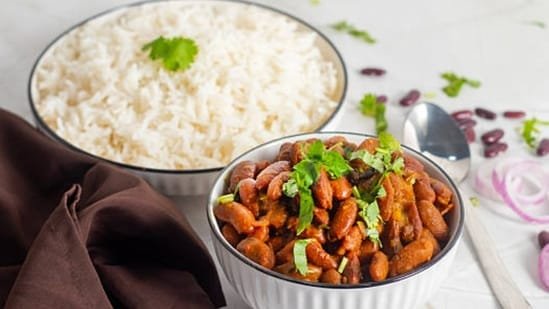
This classic Indian recipe combines slow-cooked kidney bean curry with fluffy steamed rice, creating a combination loved across homes, restaurants, and family gatherings. Rajma was introduced to India centuries ago and found a lasting place in North Indian cuisine, especially in Punjab, Jammu, and Himachal Pradesh. The rich tomato-based gravy, aromatic spices, and tender beans create a meal that remains a regular feature of Sunday lunch menus in many households.
Rajma chawal offers a valuable combination of plant protein, fibre, iron, potassium, and complex carbohydrates. Kidney beans contain protein and fibre”>protein and fibre that support balanced eating habits and digestive wellness, while rice provides energy for daily activities. Tomatoes, onions, garlic, ginger, and spices contribute antioxidants and plant compounds”>antioxidants and plant compounds that complement the nutritional profile of the dish. Together, these ingredients create a wholesome meal that combines taste with everyday nutrition.
The dish begins with soaked kidney beans that are pressure-cooked until tender. A masala made with onions, tomatoes, ginger, garlic, cumin, and spices forms the base of the curry before the beans are simmered until the flavours combine. Steamed rice is served alongside the curry, creating the signature pairing. The result is a thick reddish-brown gravy, creamy beans, fragrant rice, and layers of spice that make every bite enjoyable.
Rajma chawal differs from dal chawal mainly in texture, flavour, and ingredient profile. Rajma uses whole kidney beans that create a thicker curry with a hearty texture, while dal chawal is prepared using lentils that cook into a smoother consistency. Rajma offers a richer bean-based flavour and denser texture, whereas dal chawal feels lighter and more delicate. Both remain beloved Indian meals, but rajma chawal stands out for its robust gravy and distinctive kidney bean taste.
Rajma Chawal vs Dal Chawal: What’s the Difference?
Rajma Chawal Quick Look
Preparation Time: 15 minutes
Soaking Time: 8 hours
Cooking Time: 45 minutes
Servings: 4
Calories: Approx. 320 per serving
Cuisine: North Indian
Difficulty Level: Easy
Best Meal: Sunday Lunch
Authentic Rajma Chawal Recipe for Family Lunches
Slow-cooked kidney beans, aromatic spices, and fluffy steamed rice come together to create a beloved North Indian meal.
Ingredients
For Rajma Curry
- 1 cup rajma (kidney beans)
- 2 onions, finely chopped
- 3 tomatoes, pureed
- 1 tablespoon ginger-garlic paste
- 1 teaspoon cumin seeds
- ½ teaspoon turmeric powder
- 1 teaspoon coriander powder
- 1 teaspoon red chilli powder
- ½ teaspoon garam masala
- 2 tablespoons oil
- Salt to taste
- 3 cups water
For Rice
- 1 cup basmati rice
- 2 cups water
Method
- Wash and soak rajma overnight. Cook soaked rajma with water until soft and tender.
- Heat oil, add cumin seeds, onions, and ginger-garlic paste. Cook until golden.
- Add tomato puree and spices. Cook until the oil separates.
- Add cooked rajma and simmer for 15–20 minutes.
- Cook rice separately until fluffy. Serve hot rajma with steamed rice.
Easy Ways to Make Rajma Chawal More Nutritious
- Carrots, spinach, bell peppers, and bottle gourd can increase fibre and micronutrients.
- Brown rice contributes additional fibre and minerals compared to white rice.
- Fresh coriander enhances flavour and adds vitamins and antioxidants.
- Ginger complements the beans and contributes digestive-supporting compounds.
- Fresh tomatoes provide better flavour and nutritional value.
- Cucumber, onion, and carrot salad add crunch and freshness.
- A squeeze of lemon complements the flavour and supports iron absorption.
Nutritional Value of Rajma Chawal
Rajma chawal provides protein, fibre, carbohydrates, vitamins, and minerals”>protein, fibre, carbohydrates, vitamins, and minerals, making it a balanced vegetarian meal.
FAQs
Why should rajma be soaked overnight?
Soaking helps soften the beans, reduces cooking time, and improves texture.
Which rice is best for rajma chawal?
Long-grain basmati rice is the most popular choice.
Why does rajma chawal make a complete meal?
The combination of beans and rice provides complementary plant proteins.
