

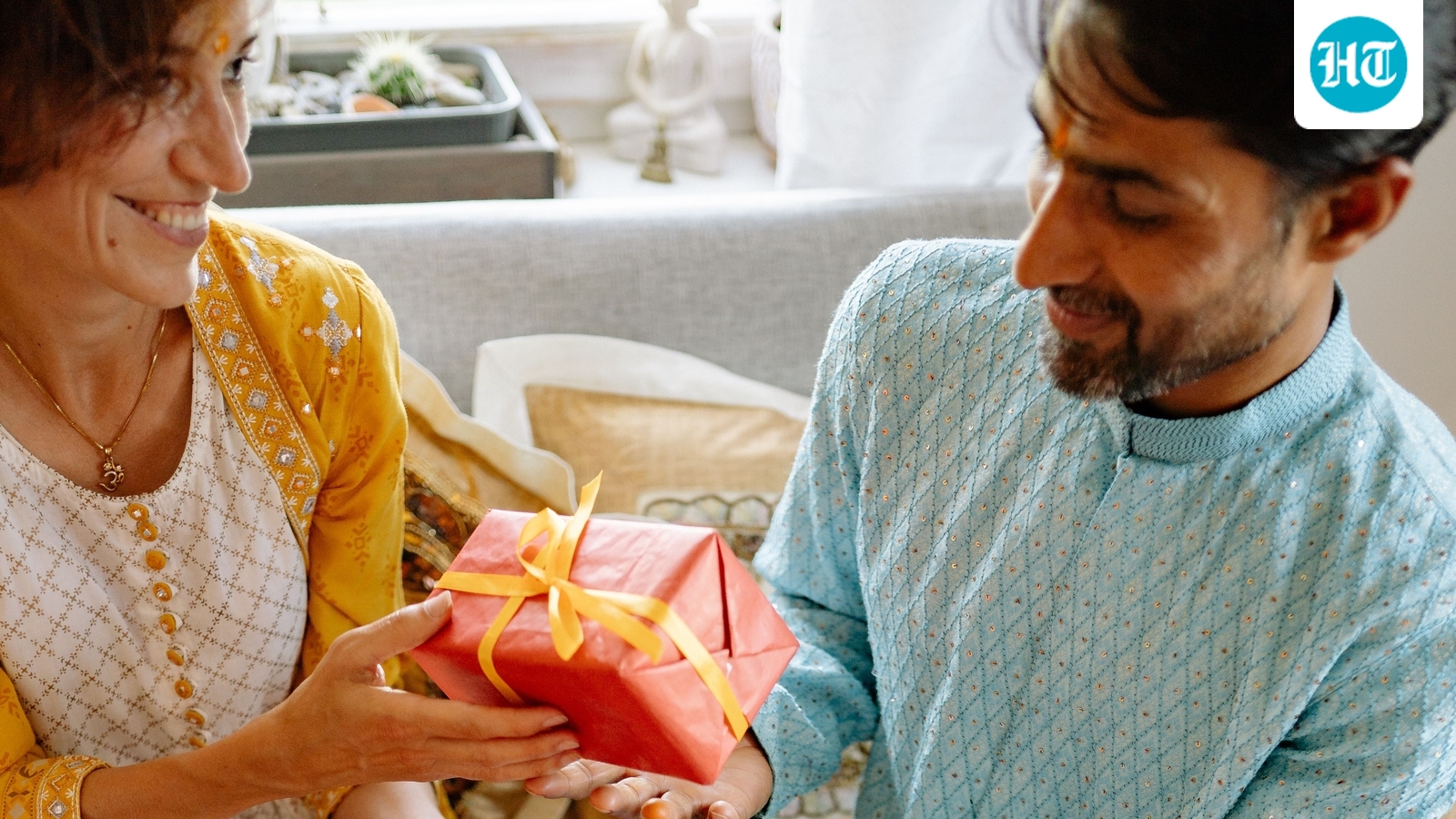
Raksha Bandhan 2026: The auspicious festival of Raksha Bandhan, also known as Rakhi, is celebrated every year in Shravana month during the full moon day or Purnima day. The festival honours and celebrates the relationship between siblings.
Every year, there is confusion about the festival date. This year too, people are confused whether to celebrate Rakhi on August 27 or 28. Let’s find out the correct date, shubh muhurat, and more about the joyous occasion:
Raksha Bandhan 2026 correct date: When is Rakhi, August 27 or 28?
Every year, according to Drik Panchang, Bhadra casts a shadow on the festival of Raksha Bandhan. According to rituals, it is best to tie the Rakhi on the full moon day, but it should never be tied during the Bhadra period. This year, the last Lunar Eclipse of the year falls on the day Rakhi will be celebrated.
Therefore, while the full moon day fast will be observed on August 27, according to Drik Panchang, Rakhi will be celebrated on August 28.
Raksha Bandhan 2026: Shubh muhurat and auspicious time to tie Rakhi
The Raksha Bandhan Bhadra will end before sunrise this year. According to Drik Panchang, here are the important timings you should know on Raksha Bandhan:
- Raksha Bandhan thread ceremony time – 5:57 AM to 9:48 AM on August 28
- Duration – 3 hours 51 minutes
- Purnima Tithi Begins – 9:08 AM on August 27, 2026
- Purnima Tithi Ends – 9:48 AM on August 28, 2026
Raksha Bandhan 2026: City wise Rakhi timings
New Delhi – 5:57 AM to 9:48 AM
Mumbai – 6:23 AM to 9:48 AM
Gurugram – 5:58 AM to 9:48 AM
Noida – 5:56 AM to 9:48 AM
Bengaluru – 6:08 AM to 9:48 AM
Pune – 6:19 AM to 9:48 AM
Chennai – 05:58 AM to 9:48 AM
Kolkata – 5:18 AM to 9:48 AM
Hyderabad – 6:01 AM to 9:48 AM
Ahmedabad – 6:21 AM to 9:48 AM
Jaipur – 6:04 AM to 9:48 AM
Chandigarh – 5:57 AM to 9:48 AM
Raksha Bandhan 2026: Celebrations
On this festival, a sister ties the auspicious thread – Rakhi – on her brother’s wrist, and, in turn, the brother promises to protect her, be there for her in difficult times, and showers her with gifts. In the modern context, it is not just the sister who ties the Rakhi and the brother who promises to protect her; siblings have started tying Rakhi on each other’s wrists and promise to be there in difficult times.
