

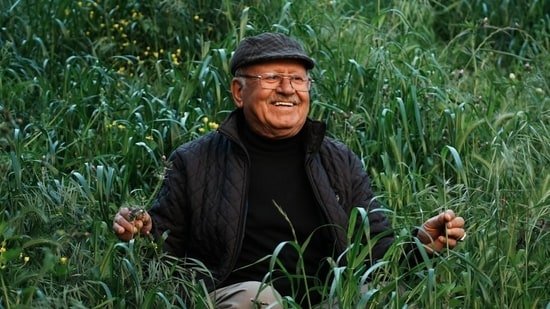
Ageing is a natural process that every individual goes through. While some attempt to reverse the changes brought about by it, it is generally agreed upon that the best one can do is to age gracefully.
Also Read | AIIMS-trained gastroenterologist shares 6 early signs of colon cancer: Anaemia, abdominal pain, and more
While the phenomenon brings about visible changes, according to Dr Thomas Paloschi, a longevity medical doctor specialising in preventive age management and functional medicine, it begins inside the body much earlier. Taking to Instagram on May 15, he shared six major changes that silently affect the body with age before the impact becomes visible.
1. Muscle loss
Muscle is a metabolic organ which stores glucose, burns energy, and releases protective signals when it contracts. “With age, mitochondria weaken, repair slows, and inactivity reduces these protective signals,” stated Dr Paloschi. This results in muscle loss, also known as sarcopenia. The effects include less strength, poorer glucose control, higher inflammation, and less metabolic reserve.
To measure muscle loss with age, Dr Paloschi suggests testing grip strength, lean mass, and VO2 max level at regular intervals. And to stop losing excess muscle mass, one should consider resistance training and consuming sufficient protein (between 1.2 and 1.6 kilograms per day).
2. Bone loss
Bone is a living tissue that is constantly broken down by osteoclasts and rebuilt by osteoblasts within the body. As one ages, and especially after estrogen declines, the breakdown happens at a faster rate than the rebuilding, noted Dr Paloschi. This is known as osteoporosis.
“Bone density falls silently for years before fractures happen,” shared the physician. To keep bone loss in check with age, he suggested testing DEXA, vitamin D levels, and fracture risk. Things that help to keep the nones strong include weight training, impact exercise, increased calcium intake and vitamin D, if required.
3. Arterial ageing
When arteries age, the inner lining of blood vessels (endothelium) loses its ability to protect the walls of the vessels. “High blood pressure, glucose, inflammation, smoking, and ApoB (apolipoprotein) particles drive endothelial damage and plaque formation,” noted Dr Paloschi. This is known as atherosclerosis.
Arteries become stiffer and narrower over the decades without presenting any symptoms. The first visible sign could well be a heart attack. To get an early assessment of the risk, Dr Paloschi suggested measuring blood pressure, ApoB, LDL-C, CAC, and glucose levels. The healthy ageing of arteries can be ensured by cardio and strength training, controlling ApoB and blood pressure, and by not smoking.
4. Joint degeneration
According to Dr Paloschi, joints age when the mechanical load that they have to bear exceeds their repair capacity. With limited blood supple, the cartilage repairs slowly. The collagen stiffens, synovial fluid becomes less protective, and spinal discs lose water and elasticity.
“When muscle strength declines, joints lose stability and absorb more stress,” noted the physician. This results in osteoarthritis, which is characterised by stiffness, pain, reduced mobility, and higher degenerative risk. To measure the damage with age, it is important to check mobility, posture, pain and range of motion available for an individual. Things that help include strength training, mobility work, walking and maintaining a healthy body weight.
5. Brain ageing
The brain is the control centre of the body, and therefore, metabolically demanding. “It needs constant blood flow, oxygen, glucose regulation, and deep sleep to clear waste and maintain synapses,” stated Dr Paloschi. “With age, vascular function, mitochondrial energy, and sleep quality can decline. Insulin resistance and chronic stress add inflammation.”
This results in slower processing, poorer focus and reduced mental flexibility, all early signs of dementia. It is important to check regular sleep, blood pressure, glucose levels and cognitive capabilities to get early warning of brain ageing. What does help is sleeping seven to nine hours every night, aerobic exercise, resistance training, active learning and stress regulation.
6. Metabolic decline
When the active muscles in the body are reduced as a result of ageing, the metabolism of the body significantly declines. “Glucose stays higher after meals, insulin works harder, and excess energy shifts toward visceral and liver fat,” noted Dr Paloschi. “This drives inflammation, insulin resistance, fatty liver risk, and lower metabolic flexibility,” usually leading to diabetes.
Therefore, it is important to keep glucose and insulin levels, HbA1c, and waist circumference in check. What helps boost metabolism are more protein and fibre in the diet, lifting weights and walking after meals.
Note to readers: This article is for informational purposes only and not a substitute for professional medical advice. Always seek the advice of your doctor with any questions about a medical condition.
This report is based on user-generated content from social media. HT.com has not independently verified the claims and does not endorse them.
