

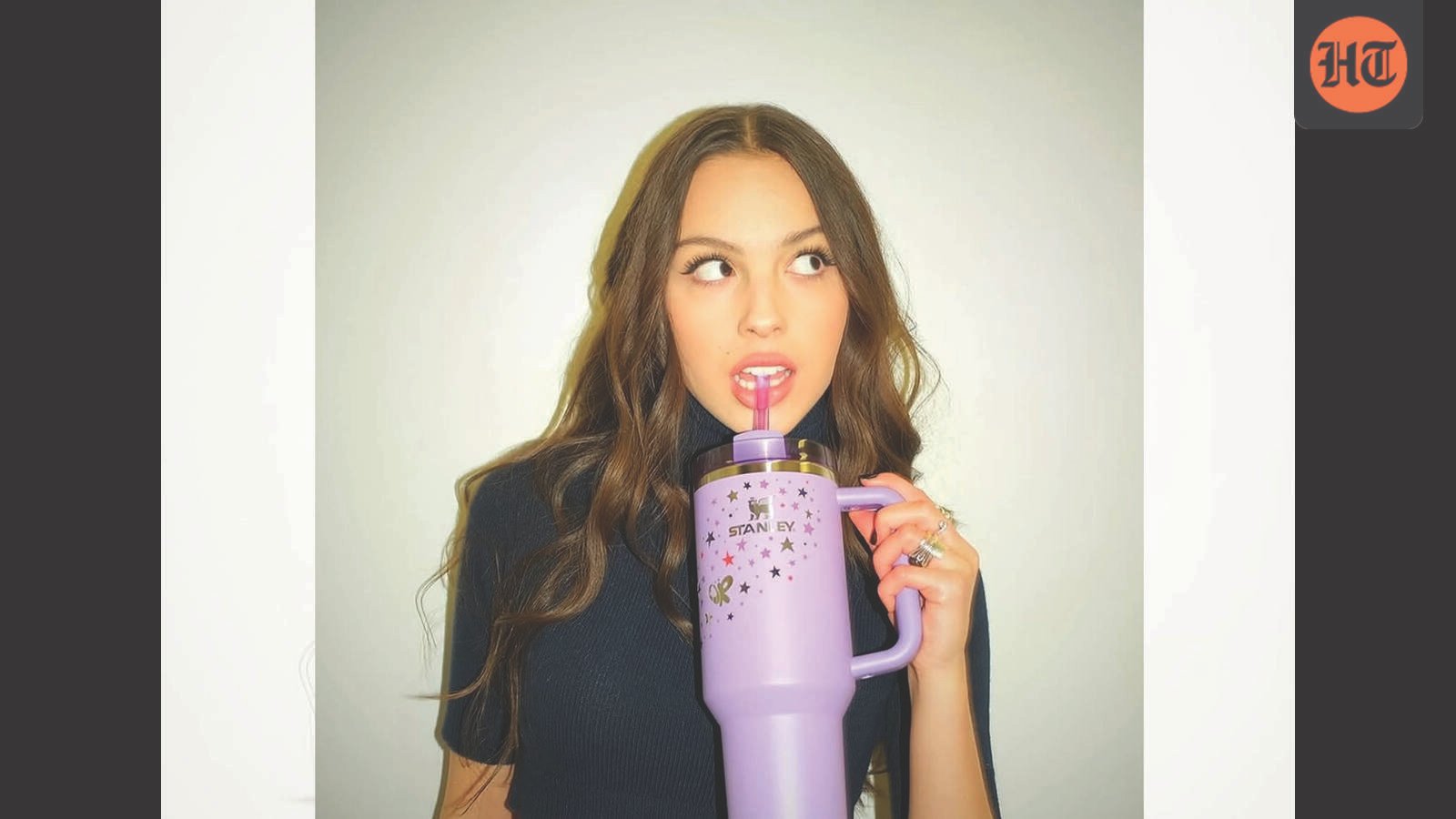
Stanley tumblers (2023–2024). In 2020, the rugged, blue-collar thermos got a pastel makeover to attract women buyers. Suddenly, everyone wanted on. Cup sales grew by 751% by 2022. It spawned absurdities such as straw charms and snack bowl attachments, while a viral TikTok of a Stanley surviving a blazing car fire—ice still tinkling—immortalised its myth. Then hoarders showed off their Stanley Walls online, and overnight, the buzz died. Surely there’s a dupe in your home somewhere?
Gua sha & jade rollers (2018–2021). In 2018, when Instagram was drowning in VSCO filters and Millennial Pink these beauty tools from Chinese medicine fit the grid perfectly. They became shelfie essentials in Alicia Keys’s no-makeup era. Then, Victoria Beckham gushed about hers, Meghan Markle rolled her way to a royal wedding, and Google searches exploded. The hype died after users realised that both tools delivered only temporary depuffing. Still, they’re so pretty.
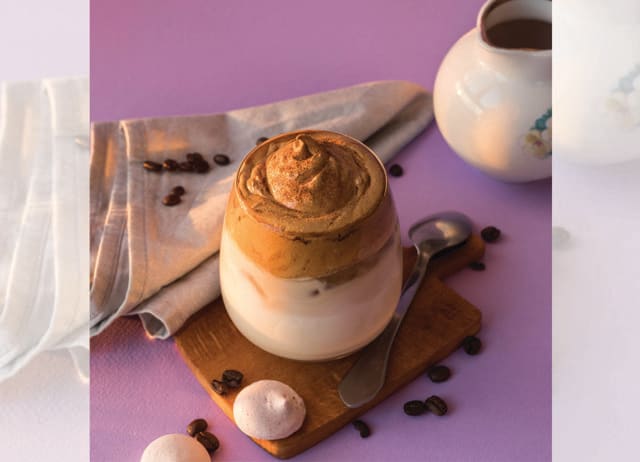
Dalgona coffee (2020). Nobody escaped the froth of Dalgona in the pandemic. It takes its name from a Korean candy and seemed like the perfect project for those stuck at home all around the world. Stirring coffee, sugar, and water 400 times briefly became peak productivity. After 170 million TikTok views, a 3,000x surge in global searches (outstripping espresso), and a 5,000% YouTube spike, the beverage lost its buzz. Wrist pain just wasn’t worth it.
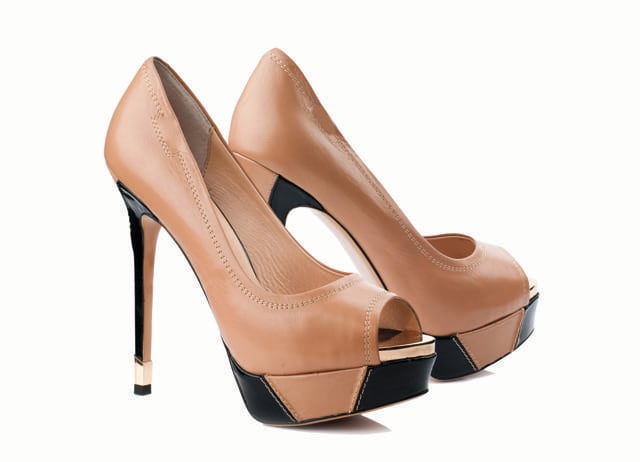
Patent peep-toe platform pumps (2010-2015). Why no one called these 4Ps we’ll never know. But for a brief while, this shoe had the fashion world in an absolute chokehold. Those who wanted one, bought a pair in nude – they made legs look longer, the platform toe made the high heel more comfortable, and we convinced ourselves that “it goes with everything”. And yet, every subsequent buy was in another colour. Louboutin versions are still hot sellers at resale.
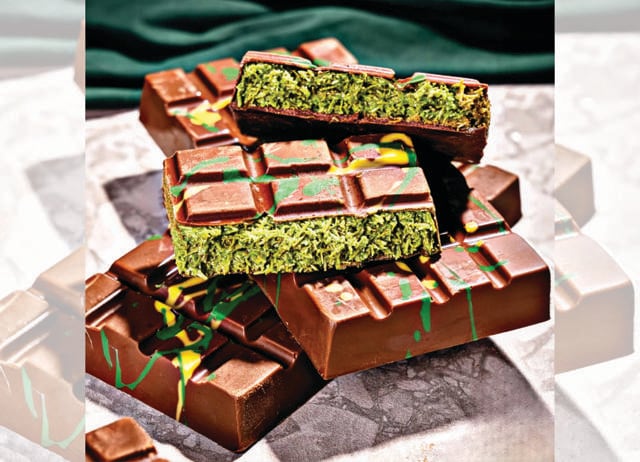
Dubai chocolate (2024-2025). Nobody predicted that a pregnant woman’s midnight craving would shake up the global dessert economy. Sarah Hamouda’s knafeh-stuffed chocolate bar became such a status symbol that airline passengers turned into high-stakes pistachio smugglers, there were actual chocolate heists in shops. Pistachio prices went through the roof. Copyright-violation lawsuits flew across international borders. By 2025, there were enough dupes for everyone to calm down. The internet’s most expensive stomach ache was officially over.
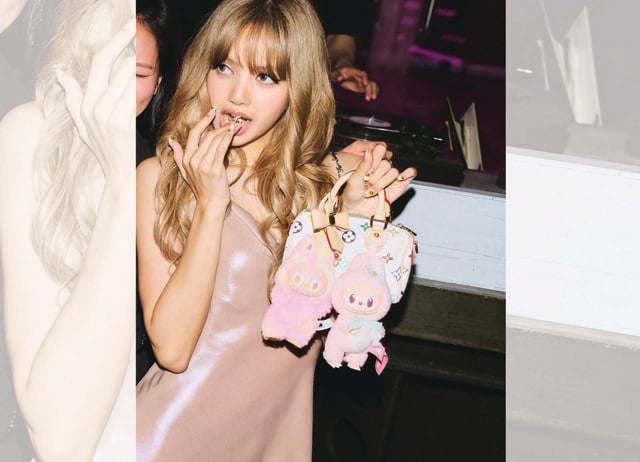
Labubu (2025). When Hong Kong artist Kasing Lung created his Nordic-inspired children’s book monster in 2015, he couldn’t imagine that by 2023, kidults would bare teeth over its plushy versions. The second Blackpink’s Lisa clipped the fanged elf to her Birkin, searches spiked 9,800%, desperate fans camped outside Pop Mart stores for blind boxes and rare variants. One fetched an egregious $150,000 on auction in Beijing. Counterfeit Lafufus swiftly ended the mania a few months in.
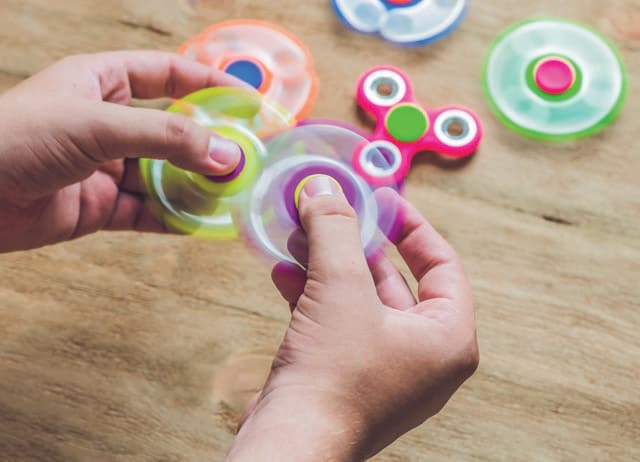
Fidget spinners (2017). This trend lived and died at dizzying speed. After Forbes labelled it the “must-have office toy” in 2016, FB, YT and IG flooded with trick and hack videos. Marketed as a therapeutic toy for ADHD and autism to improve focus, the fidget spinner became the accessory du jour for kids and adults. Ironically, it was banned from schools because it distracted students. By September 2017, people saw it for what it truly was—a one-trick pony.
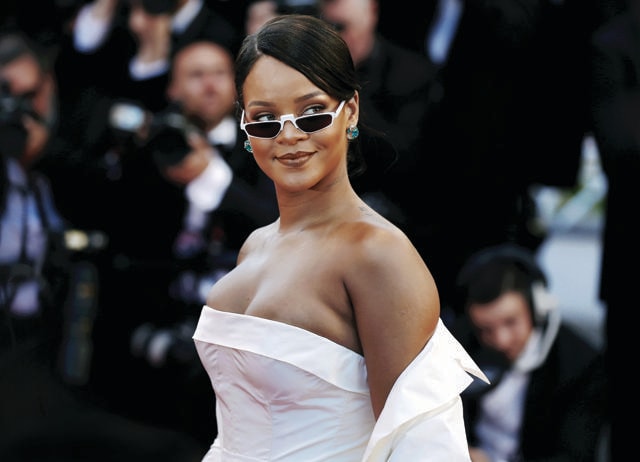
Tiny sunglasses (2017-2019). The 1970s John Lennon aesthetic made a comeback when Kanye West emailed his then-wife Kim Kardashian a specific decree: “You cannot wear big glasses anymore. It’s all about tiny little glasses.” Oversized frames were stuffed away as Y2K nostalgia. The tiny glasses offered nonchalance and detachment, but not much else. It took two years, but people remembered that sunglasses actually serve a purpose. They went back to frames that protected from UV rays.
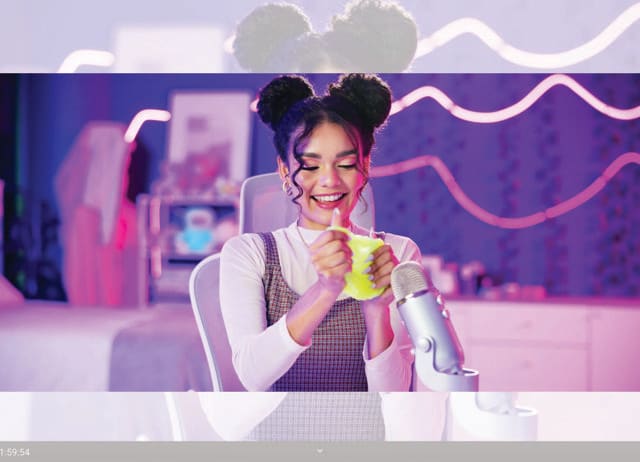
Slime (2016-2018). The ASMR trend stuck around for longer than it needed to. It offered satisfying short form content of crunches, clicks and pops. It made cheap, icky textures seem elegant, colourful and comforting. It even turned many Gen Z girls, tweens and teens into budding entrepreneurs and led to a global white-glue shortage. As ASMR died a painful nail-tapping death, it took the slime-life with it. Though slime still survives, it is no longer the DIY fiesta it used to be.
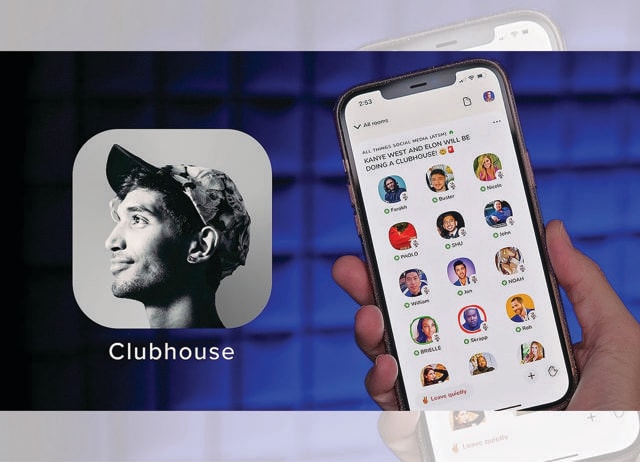
Clubhouse (2020–2021). Did you receive an invite and feel lowkey delighted? In the lockdown, the invite-only social-media app convinced everyone that the coolest conversations were the ones they weren’t invited to. Invite codes, at one point, were selling for as much as $400. Elon Musk was drawing a massive crowd for his talks. Users created overflow rooms just to keep listening. Pretty soon, it got co-opted by crypto bros, shady gurus, incels and fascists. No one wants to be in the clubhouse.
From HT Brunch, August 8, 2026
Follow us on www.instagram.com/htbrunch
