

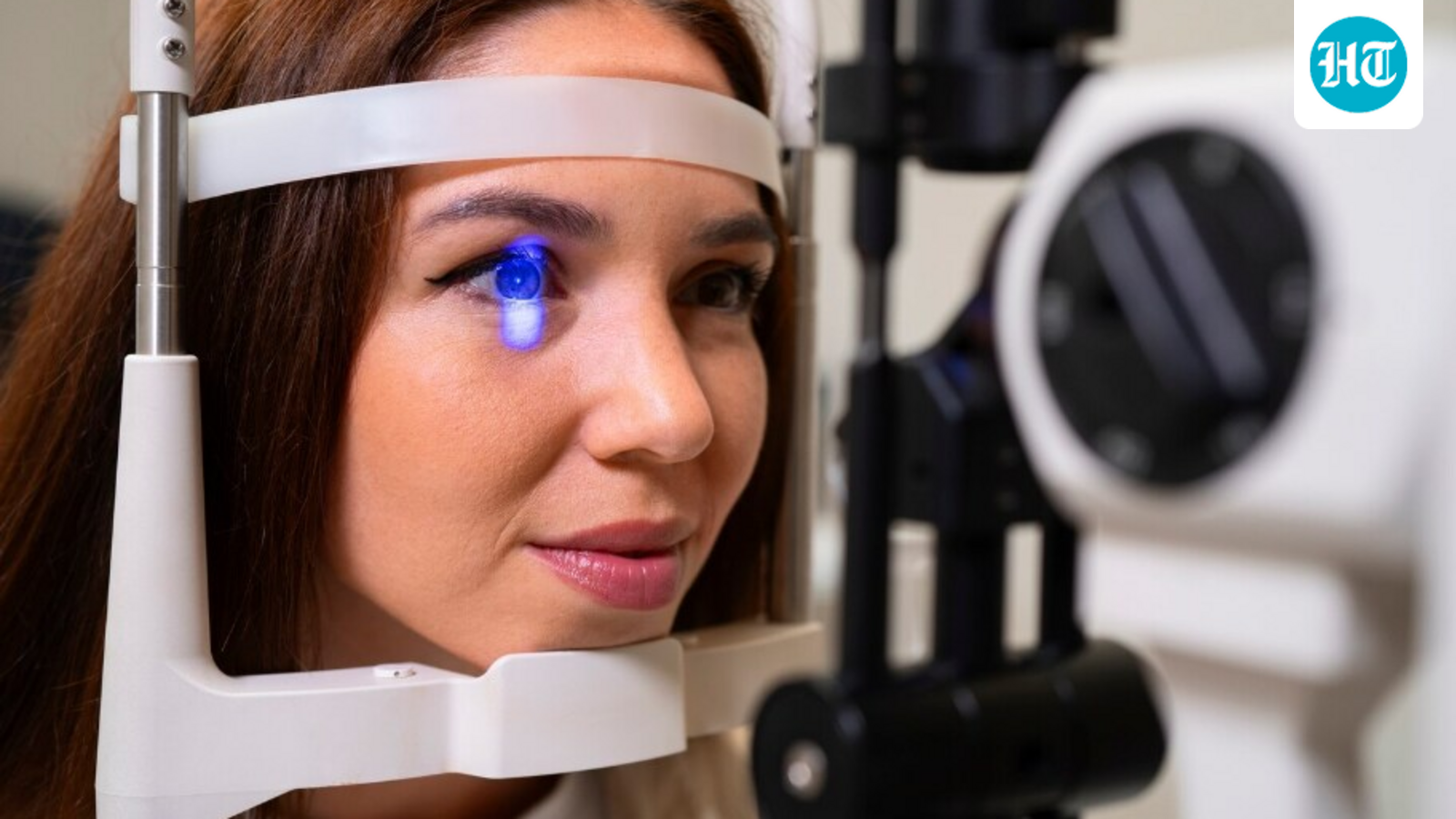
Diabetic eye disease is the leading cause of blindness among adults, yet many people delay care due to common misconceptions. Dr Rohit Adyanthaya, a US board-certified retinal specialist at Virginia Eye Consultants and assistant professor of ophthalmology at Eastern Virginia Medical School, noted in an interview with HT Lifestyle that clearing up common misconceptions is often the first step toward saving a patient’s sight. Also read | Are women more vulnerable to dry eye disease? Doctor explains causes and prevention tips
“Understanding the facts can help protect your vision and preserve your quality of life,” Dr Adyanthaya said. “Diabetes can affect many parts of the body, including the eyes. Diabetic retinopathy is an eye disease caused by damage to the small blood vessels in the retina, the light-sensitive tissue at the back of the eye. It develops as a complication of diabetes and can affect people with either type 1 or type 2 diabetes,” he explained.
Here is Dr Adyanthaya’s detailed breakdown of 13 pervasive myths surrounding diabetic eye disease:
Myth 1: Diabetic eye disease develops only in people with poorly controlled diabetes
Fact: While high blood sugar increases overall risk, anyone with diabetes can develop ocular complications. The likelihood generally grows with the duration of the underlying condition. Strict management of blood sugar, blood pressure, and cholesterol significantly reduces risk, but routine eye monitoring remains essential regardless. Also read | Eye surgeon explains how diabetes and hypertension can speed up cataract formation
Myth 2: If my vision is good, I do not have diabetic eye disease
Fact: Retinal damage often progresses silently. In the early stages, significant blood vessel breakdown can occur while visual acuity remains completely sharp. By the time noticeable blurriness occurs, the condition may already be advanced, making annual dilated examinations crucial even with clear vision.
Myth 3: Reading, using a computer, or watching TV causes diabetic eye disease
Fact: Everyday screen time and reading induce ordinary digital eye strain, but they do not damage retinal blood vessels. Retinal disease arises solely from metabolic breakdown of blood vessels, though fluctuating blood sugar levels can temporarily distort visual focus.
Myth 4: If I need treatment for diabetic retinopathy, I will lose my vision anyway
Fact: This is a particularly harmful belief. Modern interventions — including targeted ocular injections, laser therapies, and advanced vitreoretinal surgery — can halt progression and often restore lost vision when caught early.
Myth 5: Eye examinations are only needed when symptoms appear
Fact: Delaying care until symptoms arise can cause permanent harm. Comprehensive dilated eye exams allow specialists to identify microscopic structural changes and initiate care long before irreversible vision loss takes hold.
Myth 6: I have diabetes, so vision loss is inevitable
Fact: Blindness is far from guaranteed. Millions of individuals maintain healthy, functional vision throughout their lives by pairing routine medical care with healthy lifestyle choices and consistent eye checkups.
Myth 7: My diabetes is mild, so my eyes are not at risk
Fact: Even recently diagnosed or mild cases carry inherent risk. No individual with diabetes is entirely immune to microvascular damage, making regular monitoring necessary regardless of disease severity.
Myth 8: Blurry vision always means I need new glasses
Fact: Visual distortion stems from multiple potential factors, including fluctuating blood sugar, cataracts, or fluid swelling in the macula. While new lenses correct simple refractive errors, they cannot remedy underlying retinal swelling or vascular disease. Also read | Nearly 1 in 3 Indians at risk of diabetes? Endocrinologist shares warning signs and prevention tips
Myth 9: If I have no pain, there is no eye problem
Fact: The retina lacks sensory pain fibres, meaning severe damage develops entirely without physical discomfort. Patients are often surprised to discover advanced-stage disease during routine exams despite feeling no pain whatsoever.
Myth 10: Laser treatment for diabetes causes blindness
Fact: Laser therapy has preserved sight for millions worldwide. By sealing leaking vessels, laser treatments stabilise the retina. While minor shifts in night or side vision can occur, leaving retinopathy untreated presents a vastly greater threat to vision.
Myth 11: Once diabetic retinopathy develops, nothing can stop it
Fact: Early detection paired with modern therapies can dramatically slow or halt disease progression. Controlling blood pressure, cholesterol, and blood glucose in tandem with specialised eye care helps patients preserve useful vision for decades.
Myth 12: Eye injections are dangerous and should be avoided
Fact: While the concept of eye injections can feel intimidating, intravitreal medications are now routine, quick, and highly effective. Performed under local anaesthesia, these therapies reduce swelling and stop abnormal vessel growth.
Myth 13: If my family members never had diabetic eye disease, I won’t get it either
Fact: Heredity is only one variable among many. A person’s overall duration of diabetes, kidney health, blood pressure, cholesterol levels, and pregnancy status all play major roles in individual risk.
While retinopathy often creeps up silently, sudden visual events demand immediate medical evaluation, Dr Adyanthaya shared. Symptoms such as new floaters, sudden dark spots, flashes of light, or abrupt vision loss in one or both eyes require urgent care, he said. Also read | World Diabetes Day: Eye expert reveals how to detect early sign of diabetes
Dr Adyanthaya also highlighted that preventing vision loss relies on three core practices: maintaining steady blood glucose levels, keeping blood pressure and cholesterol under control, and scheduling an annual dilated eye exam regardless of visual clarity. Through routine monitoring and early intervention, individuals with diabetes can protect their sight for the long term.
About the expert
Dr Rohit Adyanthaya is a US board-certified vitreo-retinal surgeon at Virginia Eye Consultants and assistant professor at Eastern Virginia Medical School. A published researcher and principal investigator in retinal clinical trials, his surgical techniques have been recognised as editor’s choice by the American Academy of Ophthalmology for surgeon education.
Note to readers: This article is for informational purposes only and not a substitute for professional medical advice. Always seek the advice of your doctor with any questions about a medical condition.
