

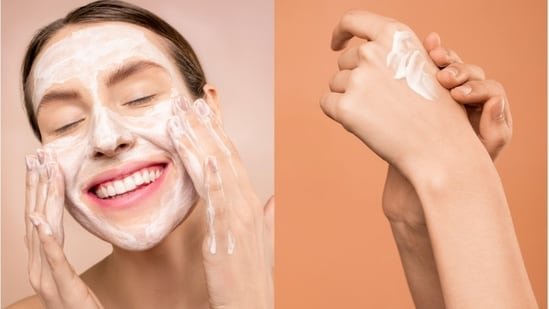
In the age of social media, skincare has become a daily ritual, a trend, and for many, an obsession. From multi-step routines inspired by beauty influencers to the constant launch of new serums, acids, and actives, people are using more skincare products than ever before. Ironically, this pursuit of flawless skin is leading to a growing concern dermatologists are calling “skin burnout.”

“Many people believe that if one product is good, using several more will produce faster results. Unfortunately, the skin doesn’t work that way. Overloading the skin with multiple actives can disrupt its natural protective barrier, leading to irritation, sensitivity, and persistent skin issues,” Dr Karuna Malhotra, Aesthetic Physician and Cosmetologist, tells Health Shots.
What is skin burnout?
Skin burnout is not a formal medical diagnosis. Still, it is a term increasingly used to describe skin that has become stressed, inflamed, and reactive due to excessive use of skincare products. The skin barrier, the outermost layer responsible for retaining moisture and protecting against environmental damage, becomes compromised. When this barrier weakens, the skin loses its ability to function normally, making it more vulnerable to dryness, redness, irritation, and breakouts.
Is skin burnout common?
Skin burnout occurs when the skin barrier becomes overwhelmed and damaged by excessive use of skincare products, especially those containing active ingredients.
1. Multi-step skincare routines
Social media platforms have normalised 10- to 15-step skincare routines, often encouraging people to layer multiple products without understanding how ingredients interact.”Not every ingredient works well with another. Combining retinol, exfoliating acids, vitamin C, and other potent actives without professional guidance can easily irritate the skin,” explains Dr Malhotra.
2. Excessive exfoliation
Chemical exfoliants such as AHAs, BHAs, and peeling solutions have gained immense popularity. While these ingredients can improve skin texture and pigmentation when used correctly, frequent exfoliation strips away healthy skin cells and damages the protective barrier.
3. Instant results
Many individuals switch products frequently or use multiple treatments simultaneously in hopes of achieving faster results for acne, pigmentation, or anti-ageing concerns. The skin, however, requires time to respond. Constantly introducing new products can create inflammation rather than improvement.
4. Misinformation on social media
Online skincare advice is often generalised and may not suit every skin type. What works for one person may trigger irritation in another, especially when potent ingredients are copied without proper assessment.
Signs your skin may be burnt out
Skin burnout often presents with symptoms that people mistakenly interpret as a need for even more products.
Common signs of skin burnout
- Persistent redness and irritation
- Increased skin sensitivity
- Tightness and dryness despite moisturising
- Burning or stinging sensation after applying products
- Sudden breakouts or acne flare-ups
- Flaky or rough skin texture
- Increased oiliness due to barrier disruption
“One of the biggest mistakes people make is treating these symptoms with additional active ingredients. In reality, the skin often needs less, not more,” says Dr Malhotra.
How to recover from skin burnout?
The first step is simplifying the skincare routine. Dr Malhotra recommends temporarily discontinuing harsh exfoliants, retinoids, and unnecessary active ingredients. Instead, focus on a basic regimen consisting of:
- A gentle cleanser
- A barrier-repairing moisturiser
- Broad-spectrum sunscreen
“Think of it as rehabilitation for your skin. The goal is to allow the barrier to heal before reintroducing any treatment products. Hydrating ingredients such as ceramides, hyaluronic acid, glycerin, and panthenol can help restore barrier function and reduce inflammation,” she advises.
Prevention is better than repair
The number of products used does not achieve healthy skin it is about consistency and suitability. “The biggest skincare trend I would like to see is mindful skincare. A personalised routine with a few effective products is often far more beneficial than a shelf full of trending formulations,” says Dr Malhotra.
As consumers become increasingly exposed to skincare marketing and influencer recommendations, it is important to remember that skin health is not a race. Sometimes, the most effective routine is the simplest one. In an era of skincare excess, giving your skin a chance to breathe may be the secret to achieving a healthier, more resilient complexion.
(Disclaimer: At Hindustan Times, we help you stay up-to-date with the latest trends and products. Hindustan Times has an affiliate partnership, so we may get a part of the revenue when you make a purchase. We shall not be liable for any claim under applicable laws, including, but not limited to, the Consumer Protection Act, 2019, arising from the products. The products listed in this article are in no particular order of priority, and the brands have not been directly suggested by the expert mentioned.
This article is for informational purposes only and is not a substitute for professional medical advice. Always seek the advice of your doctor with any questions about a medical condition.)
