

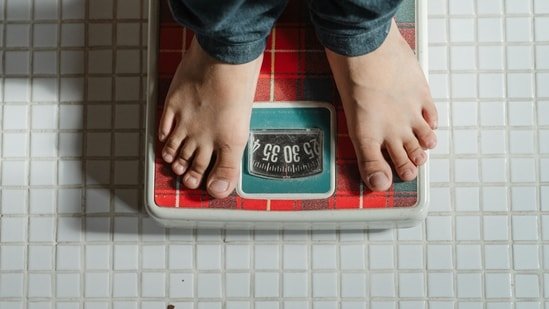
Among the many fitness goals people set for themselves, the one you hear the most is weight loss. And while that goal is relevant, since excess body fat can carry several health risks and medical complications, there is actually more to fitness than simply dropping numbers on a weighing scale. This means it is a warning sign if you are losing weight but also feeling weaker, more fatigued or less energetic than before.
ALSO READ: Nerve pain vs muscle pain: Spine surgeon shares how to tell the difference
When you hyperfixate only on losing weight, you may also end up losing muscle. This opens up the door to a different set of problems for you.
By focusing on weight loss as the only goal, you may end up working with an incomplete picture of health. Dr Tushar Tayal, associate director, internal medicine at CK Birla Hospital, Gurgaon, told us the value of muscle building. Muscles are often underestimated when they are viewed only through the lens of bodybuilding or physical appearance. Muscle has a much larger role in the body.
What is the role of muscles in the body?
The physician believes that muscle loss preservation is non-negotiable for metabolic health and healthy ageing. According to Dr Tayal, muscle is responsible for several major physiological functions, including metabolism regulation, blood sugar control, and overall physical function.
He advocates body composition over just weight loss. So, this means losing weight sustainably while preserving muscle. Often, extreme weight-loss measures may reduce the number on the weighing scale, but they can also lead to muscle loss, which can significantly affect strength and long-term health.
How can you tell if you are losing muscle?
Let’s understand what happens when you lose muscle. Are there any tell-tale signs?
With weight loss, the changes are often easier to notice, whether it is a drop in the number on the weighing scale or your clothes fitting better. But when you lose muscle, a lot can change in the body, both internally and externally. Your energy levels may feel different, your strength may reduce, and everyday activities may start feeling more tiring than before.
“Those people who have less muscle will feel fatigued, their physical performance level will go down, and their ability to recover from any illness or trauma will become weaker,” Dr Tayal cautioned about the dip in energy.
Physiologically, a couple of things make you at significant risk, with the first being an increased chance of lifestyle diseases such as diabetes. Dr Tayal explained, “Decreased muscle mass can lead to difficulties using up the glucose from the bloodstream effectively. As such, there is a likelihood of becoming insulin resistant or having type 2 diabetes.”
The biggest catch is that even if a person appears to have a normal bodyweight, they may still lack, the physician noted, adequate muscle mass and remain at metabolic risk.
Did you know how muscles are important for weight management? The physician explained that when you lose muscle, your body also starts burning fewer calories. This can slow down your metabolism and make it easier to gain fat over time.
How to prevent muscle loss?
Muscle loss is not something that has to happen when you lose weight. The hack is to avoid extreme, unsustainable weight-loss measures like crash diets and focus on the right kind of exercise, along with a protein-rich diet.
“Muscle wasting is preventable through physical activity such as resistance exercises, sufficient protein consumption, adequate sleep, and an active lifestyle,” Dr Tayal outlined the essentials that help combat muscle loss.
Make sure you focus on resistance training and add it to your routine in a consistent, sustainable way. Whether it is pushups, lunges, bodyweight squats, or planks, you benefit greatly from resistance training exercises. Along with this, prioritise a protein-rich diet as protein supports muscle mass.
Note to readers: This article is for informational purposes only and not a substitute for professional medical advice. Always seek the advice of your doctor with any questions about a medical condition.
