

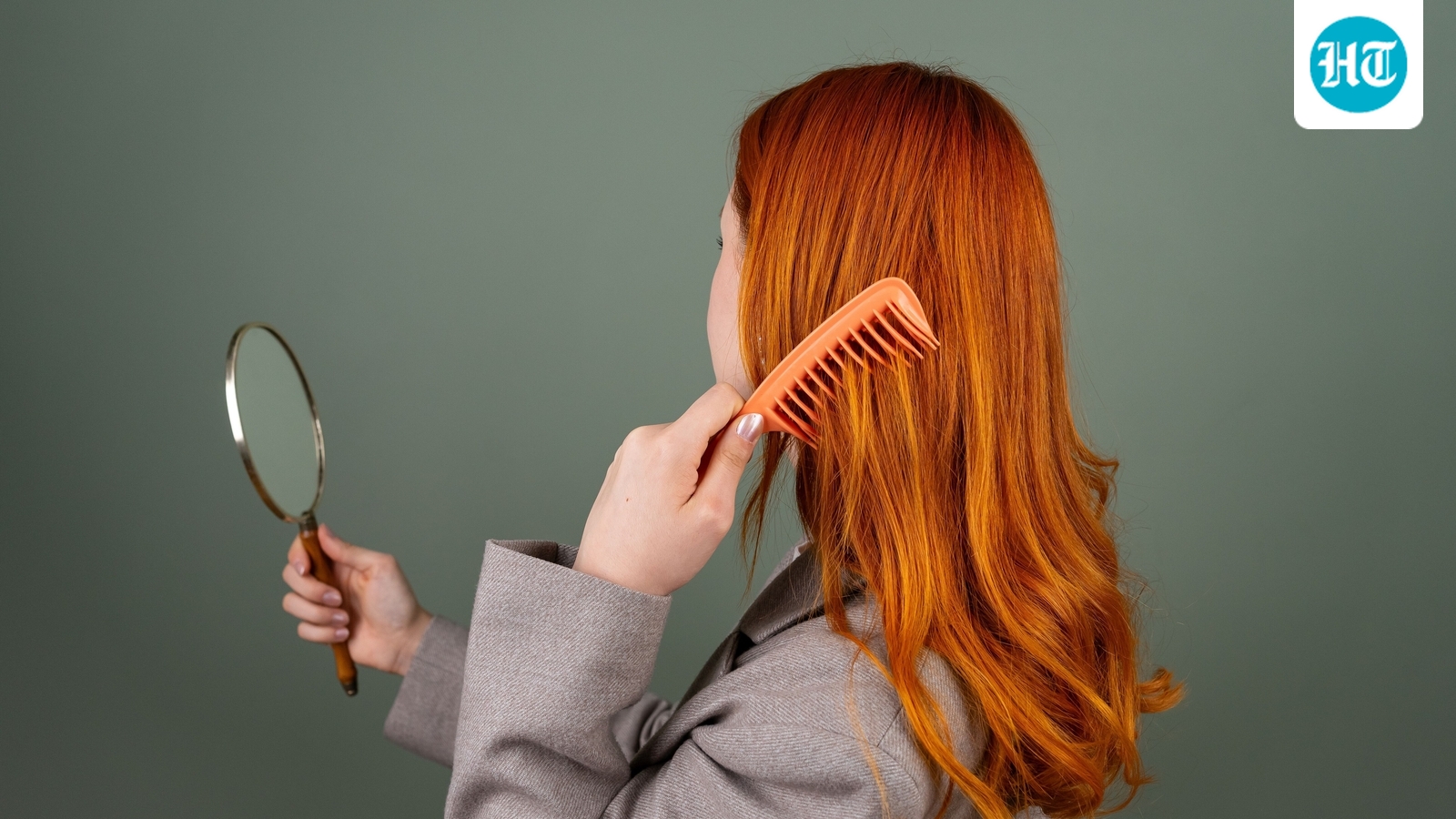
Winter is often the season for sleek buns, tight ponytails and elaborate hairstyles, with many people frequently styling their hair for weddings, parties and social gatherings. However, repeatedly tying hair too tightly or relying on excessive heat styling can contribute to breakage and scalp stress.
In an interview with HT Lifestyle, Dr Sonali Kohli, senior consultant, dermatology, Sir HN Reliance Foundation Hospital, Mumbai, shared how repeated pulling and styling can affect your scalp, as well as tips on how to treat it naturally.
Also read | From skipping sleep to everyday stress, here are small lifestyle choices that may show up on your face over time
How can winter styling impact your hair quality?
According to Dr Kohli, winter makes things worse in small ways. Hats and mufflers brush against the hairline throughout the day. The dry atmosphere dries out your hair, and most of us in India apply oils to our hair, tie it tightly, and make sure they look neat, which is the worst combination for the roots.
Which signs should get you worried?
“Hair thinning at the temple areas, split hairs at your forehead, a tender scalp or a light headache after undoing your hair at the end of the day, tiny red marks where the band is, or an increasing width of the parting are some of the signs that indicate hair thinning,” said Dr Kohli. Your follicles want to rest.
How to prevent hair thinning?
According to Dr Kohli, the remedy at the initial stages is really easy:
- Tie your hair loosely and keep changing the tying spots
- Use a loose scrunchie instead of an elastic one
- Do not tie your hair while sleeping
- Avoid using heat-based styling tools. If required, consider heat-protection hair spray
- Line your woollen hat with a silk or satin fabric
- Consider using a satin pillowcase
According to Dr Kohli, if you’ve started to notice hair loss, don’t just sit and wait for it to happen; see a dermatologist now. In this phase, a lot can be done by using minoxidil, reducing the inflammation, or PRP. Once the scar tissue starts developing, there’s not much else left to do but undergo hair transplant surgery.
Note to readers: This article is for informational purposes only and not a substitute for professional medical advice. Always seek the advice of your doctor with any questions about a medical condition.
