Everyday Explained series brings you answers to common questions inspired by everyday observations that make you pause and wonder about the reason behind them. Sometimes, these occurrences are so common that most become accustomed to them and stop questioning why they happen. But everything has a reason, and it may not always be as straightforward as you think.
ALSO READ: Everyday explained: Why do elevators almost always have mirrors? Know the real reason
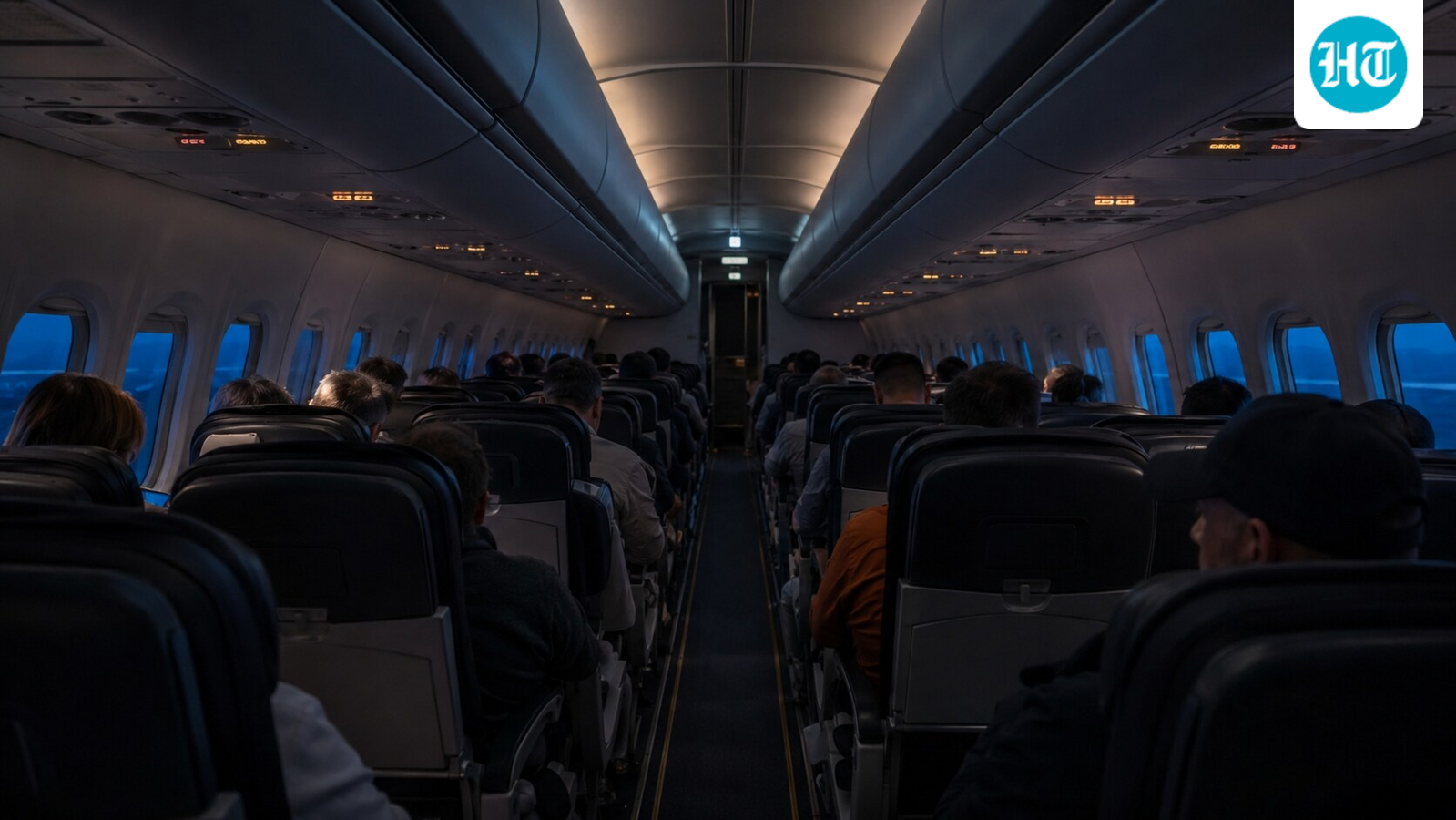
Today, we answer why cabin lights are dimmed during take-off and landing. You may be so used to this routine practice on flights that you barely give it a second thought.
On Aviation Stack Exchange, a Q&A platform for aircraft pilots, mechanics, and aviation enthusiasts, a user raised the same question. They also questioned the same thing: why the lights are dimmed. The assumed explanation most people believe, and this user too raised, was that it is to conserve power. But here’s why it doesn’t click into place. The user argued that modern lights are efficient enough to consume little energy. So, if energy conservation is not the primary reason for dimming lights, then what is? With the technological advancements in aviation, this one explanation does not fully add up.
Aids passenger safety
Several other users provided different explanations, but the main consensus was that cabin lights are dimmed for passenger safety. Dimming the lights allows passengers’ eyes to adjust to the darker surroundings. The reason behind this is to locate the illuminated exit signs and emergency floor lighting.
Takeoff and landing are two of the most critical phases of a flight. Therefore, this precaution is taken to improve passenger safety and make evacuation more efficient. During an emergency, if the cabin lights suddenly fail, the human eye would otherwise need some time to adjust to the darkness. When the lights are already dimmed, it would save valuable time during evacuation.
Related to other cabin adjustments during takeoff and landing, the forum also discussed why passengers are instructed to keep their window shades open during these phases of the flight. The explanation is to spot any fire on the wing or engine.
Dim light may improve ground visibility
Another user mentioned what they had learnt from their flight instructor about how dimming lights may also help other pilots. They wrote, “My flight instructor told me that also, when taxiing at night (that is, before taking off or after landing), lights should be kept at a minimum as a courtesy to other pilots. A bright line of fully lit cabin windows could distract or mask other dimmer lights like the taxiway’s blue ones.”
Ultimately, the primary reason for dimming cabin lights is passenger safety. It allows passengers’ eyes to adjust to low-light conditions, making illuminated exit signs and emergency floor lighting easier to identify during an evacuation. This adjustment is important because take-off, approach, and landing are among the most critical phases of a flight. According to Airbus statistics, most accidents over the past 20 years occur during these phases.
Airbus’ report mentioned, “Approach and landing are highly complex flight phases, which place significant demands on the crew in terms of navigation, aircraft configuration changes, communication with Air Traffic Control, congested airspace, and degraded weather conditions.”
Dimming light is a critical safety measure that can improve visibility and reduce eye-adjustment time in an emergency, giving passengers more time to evacuate.