

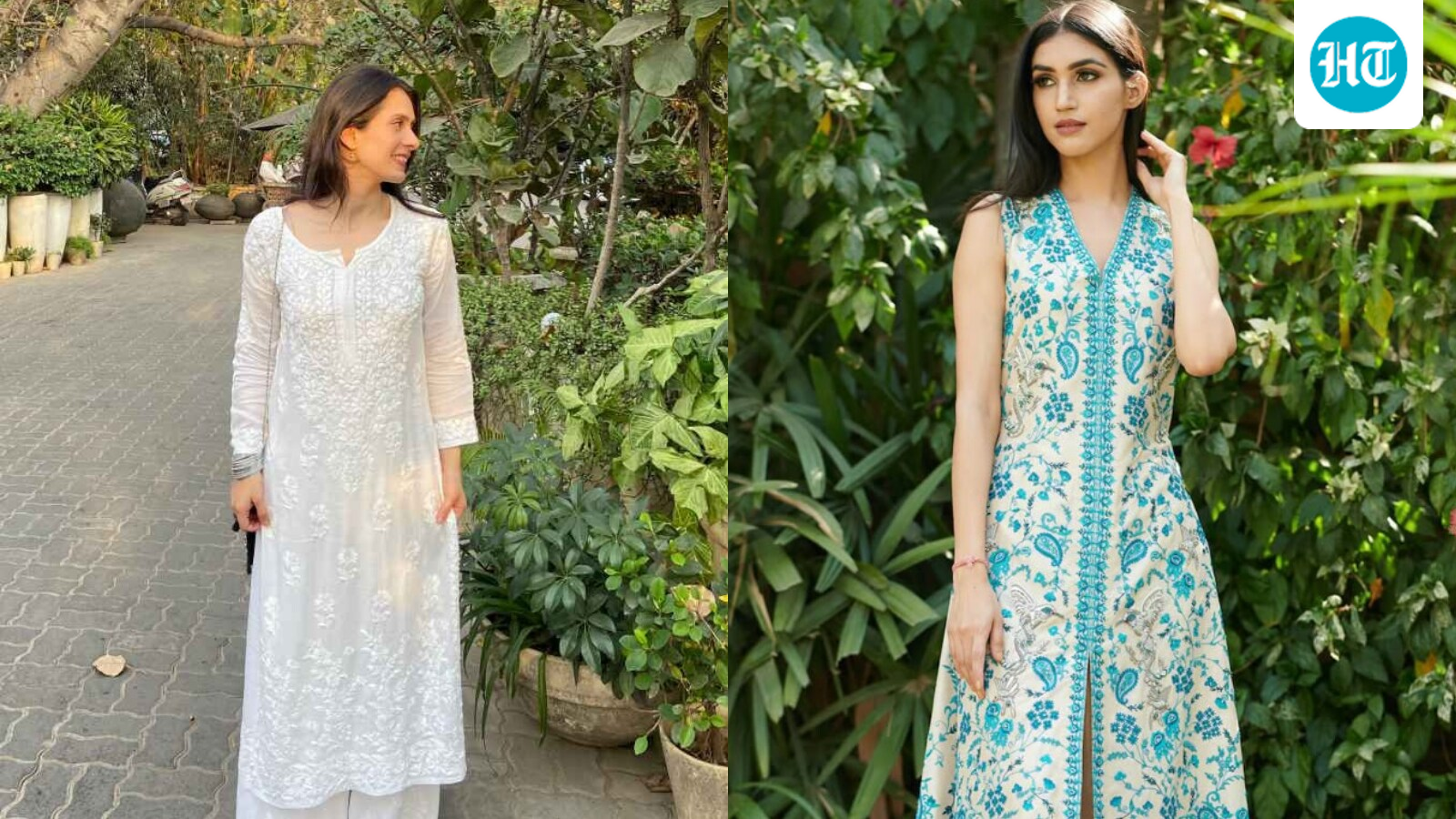

Choosing between Chikankari kurtis and embroidered kurta sets for festive dressing comes down to the look you want, the occasion and how you plan to style your outfit. Chikankari is known for its delicate threadwork and traditional appeal, while embroidered kurtas encompass a wider range of designs, from understated neck detailing to embellished Anarkali sets.
If you’re shopping for ethnic wear for family gatherings, festive dinners or celebrations, both styles offer versatile options. A Chikankari kurti can be styled with different bottoms for a more personalised look, while a coordinated embroidered kurta set makes getting dressed easier.
Here’s how the two styles compare, along with six options to consider for your festive wardrobe.
Chikankari vs embroidered kurtas: What’s the difference?
|
Feature |
Chikankari kurtis |
Embroidered kurta sets |
| Design | Traditional embroidery, often featuring delicate floral or geometric motifs | Varies from minimal neckline work to elaborate decorative patterns |
| Overall look | Often subtle, elegant and understated | Can range from simple everyday wear to dressy festive outfits |
| Styling | Works with palazzos, straight trousers and, depending on the design, jeans | Coordinated pants and dupattas make styling straightforward |
| Best suited for | Daytime gatherings, casual ethnic dressing and understated festive looks | Festive dinners, family functions and occasions that call for a more dressed-up outfit |
| What to check | Embroidery technique, fabric, fit and garment length | Embroidery placement, silhouette, fabric and included pieces |
Neither style is automatically better for every occasion. Chikankari is itself an embroidery tradition, so the distinction is between a specific style of needlework and the broader category of embroidered kurtas.
This muslin kurti from Ada combines a straight-fit silhouette with traditional Chikankari embroidery. Its lightweight fabric description makes it worth considering for warm-weather dressing, while the embroidered detailing adds interest without requiring elaborate accessories.
Why choose it: Consider this style if you prefer delicate traditional embroidery and want a kurti that can be styled with different bottoms.
Styling tip: Pair it with white palazzos, silver jhumkas and embroidered juttis for an understated ethnic look.

Our Principles
Full Transparency
Every product review clearly lists the Pros and Cons, giving you a balanced view.
Brand Confidence
We focus on products from brands with a proven reputation and long-standing market trust.
This Sidhidata kurti features three-quarter sleeves and an embroidered neckline. The relatively minimal design makes it an option for shoppers who want a decorative detail without an all-over embroidered look.
Why choose it: Consider it for workwear or casual ethnic dressing if you prefer a simple silhouette with a defined neckline.
Styling tip: Wear it with straight trousers, Kolhapuri sandals and a tote bag for an office-ready outfit.
This Seva Chikan short kurti combines cotton, according to the product title, with hand-embroidered Chikankari detailing. Its shorter silhouette offers a different styling option from the longer straight-fit kurtis in this comparison.
Why choose it: This is worth exploring if you prefer short kurtis that can be paired with a range of bottoms rather than buying a complete coordinated set.
Styling tip: Pair it with wide-leg trousers or straight-fit pants and simple juttis. Add small earrings for a relaxed daytime look.
This KLOSIA set features an embroidered Anarkali silhouette, coordinated pants and a dupatta. The flared shape gives the outfit a more occasion-oriented feel, making it an option for festive evenings and family functions.
Why choose it: Consider an embroidered Anarkali set if you want a coordinated outfit with a more pronounced silhouette rather than a standalone kurti.
Styling tip: Pair it with traditional juttis, statement earrings and soft curls for a festive gathering.
This Nermosa straight-cut kurta set features embroidery, matching pants and a dupatta. Its structured silhouette offers an alternative to the flared Anarkali, particularly if you prefer a cleaner outline for festive dressing.
Why choose it: A coordinated straight-cut set can be a practical option when you want a complete ethnic outfit without the volume of a flared kurta.
Styling tip: Add statement earrings, comfortable block heels and a small clutch for a polished festive look.
This Nermosa set offers another embroidered Anarkali option, with matching pants and a dupatta. It gives shoppers another silhouette to compare with the KLOSIA Anarkali and the straight-cut Nermosa set.
Why choose it: Consider this style if you prefer a flared kurta and want a coordinated outfit for a celebration. Check the listing images and specifications for the exact colour, fabric and embroidery details.
Styling tip: Wear it with embellished flats, jhumkas and a coordinated handbag. Keep other accessories understated if the embroidery is prominent.
Embed code: Add the verified HT product embed.
So, which festive style should you pick?
Choose Chikankari if you prefer traditional, delicate threadwork and want a kurti you can style in different ways. Straight-fit and short kurtis can work with palazzos, tailored trousers or other suitable bottoms, making them useful beyond a single celebration.
Choose an embroidered kurta set if you want a coordinated outfit or prefer a more defined festive silhouette. Anarkali sets can create a dressier look, while straight-cut sets offer a cleaner alternative.
Before buying either style, compare fabric composition, sizing, embroidery details and customer reviews. Also check whether the listing includes pants and a dupatta, as product names and set contents can vary.
Ultimately, the better choice is the one that suits your occasion, comfort preferences and existing wardrobe. You don’t need the most heavily embellished outfit to look festive; thoughtful styling can make a simpler kurti or coordinated set feel occasion-ready.
Similar stories for you:
5 Capsule fashion investments for September 2026 that skip the microtrend noise
The ‘Quiet Luxury’ secret: 5 Simple fashion hacks to look expensive on a budget
Disclaimer: At Hindustan Times, we help you stay up-to-date with the latest trends and products. Hindustan Times has an affiliate partnership, so we may get a part of the revenue when you make a purchase. We shall not be liable for any claim under applicable laws, including but not limited to the Consumer Protection Act, 2019, with respect to the products. The products listed in this article are in no particular order of priority.
