

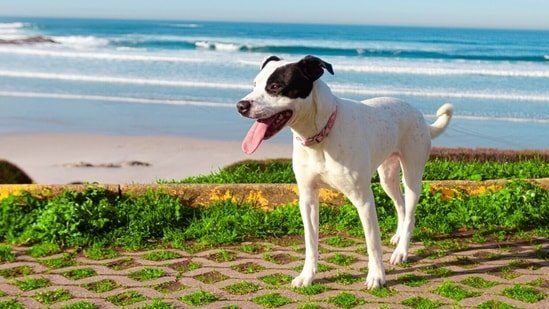
Heat-related ailments caused by rising body temperatures are leading to emergencies such as heat exhaustion and heatstroke. Stepping outdoors during peak hours, especially between 11 am and 4 pm, can expose people to intense heat and harsh weather. But just like humans, pets are also vulnerable to extreme heat. Since our furry companions cannot verbalise their discomfort, it becomes even more important for pet parents to stay alert, recognise early warning signs and take preventive steps before the situation escalates and turns into a big emergency.
HT Lifestyle, in a conversation with Dr Deepak Saraswat, head veterinarian at Zigly, asked whether pets can also suffer from heatstroke, how serious the condition can become, and what signs pet parents should watch out for to prevent a medical emergency.
The vet expressed concern that, due to the possibility of a Super El Niño this year, the summer is expected to be more intense than usual. He also urged pet parents to be careful of the increased risk of heat-related illnesses in pets and to take preventive measures to keep them safe during extreme temperatures.
Can pets get heat stroke?
Dr Saraswat confirmed that yes, pets can get heat stroke too, and it has the tendency to quickly progress.
He elaborated, “Pets tend to overheat very quickly due to their active nature. On a very hot day, they can become lethargic, just like us. However, pet parents must monitor their pets during such days.”
He urged pet parents to monitor their behaviours and look for these signs, which may indicate an overheated body:
- Excessive panting
- Difficulty breathing
- Increased heart and respiratory rate drooling
- Mild weakness
Now, if overheating during the initial stage is left untreated, it can progress into heatstroke. Dr Saraswat also shared some warning signs that indicate when a pet’s condition may be transitioning from overheating to heatstroke:
- Profuse salivation
- Vomiting
- A deep red or purple tongue
- Seizure
- Unconsciousness
If this happens, consult or visit your vet immediately.
Prevention tips
Prevention is the best approach; pet parents should start taking precautions early on. It begins by simply adjusting the daily practices in your pet’s routine, from hydration, baths, to daily walks. We asked the vet to elaborate on a few prevention tips that can help during heatwaves:
1. Keep them cool inside and out:
- Cool them down by soaking their coat with a cool, damp towel, paddling pool, or a nice cooling bath (not too much).
- Shade windows with curtains and keep them in an air-conditioned room.
2. Daily walk timings
- Go for pre-sunrise or post-sunset because the weather is relatively cooler then.
- Carry water during the walk.
- For night walks, check the humidity forecast.
3. Hydration
- Provide plenty of cool, fresh water. Place multiple water bowls around your home so your pet can drink when they wish to cool down. Keep ice cubes in the water to keep it cooler for longer.
- Make a pupscile with pet-friendly flavours or freeze their favourite fruit or vegetable, which will nourish them while cooling them down.
Note to readers: This article is for informational purposes only and not a substitute for professional medical advice. Always seek the advice of your doctor with any questions about a medical condition.
