

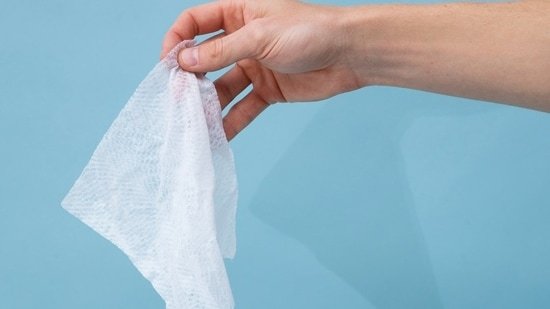
Wet wipes are an ultimate saviour, saving you from dirt, dust, pollution, and traces of makeup. But do you really think what you’re applying to your face in the form of a wet wipe might actually be doing more harm than good? Dermatologist, Dr Madhur Eshwar Rao Basude, Apollo Clinic, tells HT Shop Now, “The convenience of cleaning wipes is a great alternative for something refreshing on hot, humid days; however, habitual use can damage your skin’s natural barrier”.

He further said that wipes are intended to clean sweaty skin, dirt, bacteria and other types of impurities. However, many contain surfactants and/or alcohol that will strip away your skin’s oiliness as well.
The repeated disruption caused by the use of wipes on the skin will leave the skin more exposed to dryness, irritation, and an imbalance of microorganisms.
He further mentioned, “When used in a humid environment, residue left by the wipes will combine with sweat and/or sebum, causing further aggravation to the skin due to increased sensitivity”.
Common Summer Skin Issues
There are a few summerskincare issues that arecaused by over-usage of these wet wipes,especiallyduring the sweaty days.
Dr Basude further says, “People frequently show symptoms of contact dermatitis when they’re using a lot of wipes and then have redness, itchiness, or blisters on various parts of their skin”.
“Another concern is folliculitis, which happens when hair follicles become infected because of blockage caused by the wipes and bacteria growing in the blocked follicles, particularly on sweaty skin after using wipes that leave a residue”.
People may start to see early signs when they have redness, burning sensation, itching or small bumps following the use of the wipe.
Ingredients That Raise Red Flags
There are some ingredients in wipes which induce irritation:
Alcohol: Drying and barrier-destroying properties; therefore, very questionable for use on sensitive (eg, eczema) skin.
Fragrance: Often an allergen and common in children and those prone to allergies.
Preservatives (ie, methylisothiazolinone, parabens): Have been shown to produce allergic contact dermatitis in at-risk individuals.
“If a person has had a previous history (or any of these) skin concerns, they are at a higher risk for aggravated skin problems from wipes”, says Dr Basude. Therefore, he suggests that children, infants, and people who are prone to allergies should use special caution when using wipes.
Safe Usage Guidelines
Dr Basude states that wet wipes should always be used in situations with no access to water or a mild cleanser. He further recommends using wipes that are fragrance-free, alcohol-free, and hypoallergenic-free, and patch-test before using them regularly on the skin. Dr Basude cautions using wipes on areas of the skin that are broken, sunburned, or have had a treatment or procedure recently. When using wipes, rinse with water after each use and apply a light moisturiser to replenish moisture to the skin.
Check out Alcohol-free wet wipes
When to Avoid Wipes Altogether
Patients suffering from chronic dermatological conditions like eczema, psoriasis, or rosacea should not use wipes; likewise, infants have thinner skin than average, which makes their skin more susceptible to damage. Skin that has just undergone a procedure—such as a chemical peel, microneedle, or laser treatment—should never face the harshness of a wipe because of its increased sensitivity.
Bottom Line
While wet wipes can help keep you clean during summer, they shouldn’t replace your regular cleansing method. If you are using these products too often, especially those that contain irritating/harsh ingredients, then you may be causing a skin issue. The best way to use wet wipes is to use them moderately and be aware of the ingredients in each product, and include water-based cleansing as the top priority.
Similar articles for you
Too lazy for a 10-step skincare routine? Here’s a 3-step routine no one told you about
Does your beard feel rough and dry? These 7 beard oils will fix it
Disclaimer: At Hindustan Times, we help you stay up-to-date with the latest trends and products. Hindustan Times has an affiliate partnership, so we may get a part of the revenue when you make a purchase. We shall not be liable for any claim under applicable laws, including but not limited to the Consumer Protection Act, 2019, with respect to the products. The products listed in this article are in no particular order of priority.
