

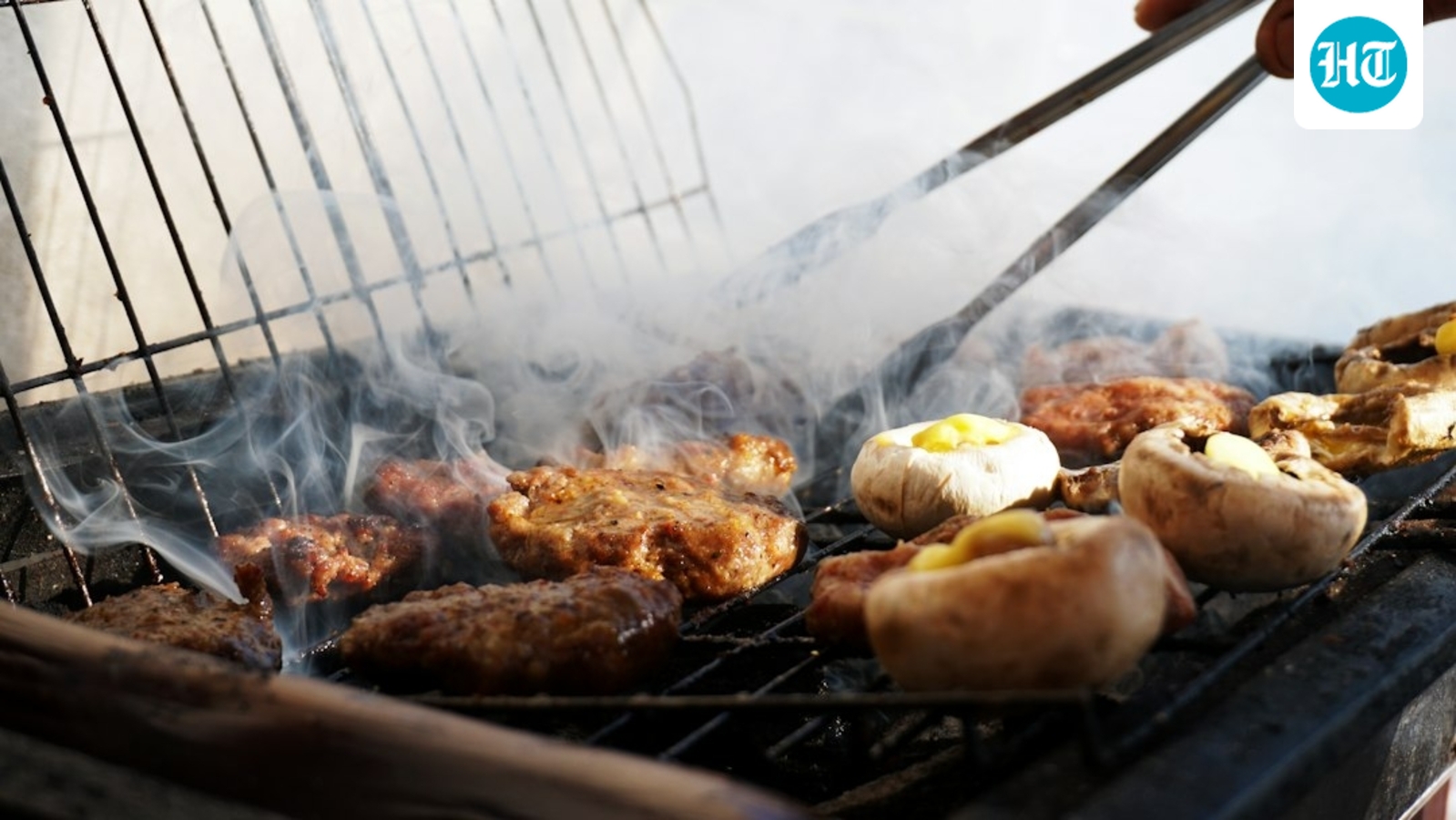
For many of us, the smell of tadka, frying or roasting is a normal part of daily life. However, when smoke and poor air circulation are regular occurrences in a kitchen, the air we inhale while cooking may not always be benign, Dr (Prof) Jyoti Wadhwa, principal lead of medical and precision oncology at Apollo Athenaa Women’s Cancer Centres, Delhi, shared with HT Lifestyle.
Also Read | Pulmonologist explains how growing air pollution can worsen respiratory conditions like asthma and COPD
“Smoke, gases and very tiny particles may enter the air when cooking, especially if the food or oil is cooked at very high temperatures,” she stated, pointing out that it becomes a more serious concern when cooking involves burning wood or charcoal in poor ventilation.
“Exposure to this type of household air pollution over the long term can impact lung health and has also been associated with a higher risk of lung cancer,” she warned.
When does cooking smoke become a concern?
According to the oncologist, the occasional smoky meal does not necessarily mean that someone will get lung cancer. What is more important is chronic exposure to smoke and cooking fumes over the years, especially if adequate ventilation is not provided in the kitchen.
“Fumes can be generated when preparing food by frying, pan-frying and stir-frying at extremely high temperatures,” she stated. “This risk could be higher if oil is overheated repeatedly or food is left to smoke and is visible.”
Exposure can be higher under certain circumstances, such as:
- If small kitchens are used regularly
- The use of coal, wood, charcoal, biomass or other polluting fuels
- Living in the vicinity of smoke and cooking vapours for several hours a day over a period of years
Why good kitchen ventilation matters
Smoke contains very small particles that can enter deep into the lungs, pointed out Dr Wadhwa.
“These particles can stay in the kitchen and other rooms for a longer period of time when there is limited airflow,” she stated. “This is why it is crucial to ensure that the space is well-ventilated not only to remove cooking odours but also to improve indoor air quality.”
Some simple precautions can help minimise exposure. The ones shared by the oncologist are presented as follows:
- Switch on a chimney or exhaust fan, particularly when frying or cooking at high temperatures
- Provide fresh air by opening windows or doors as needed
- Do not overheat oil to the smoking point
- Use cleaner fuels for cooking where possible
- If you are having ongoing lung symptoms, don’t ignore them
“Smoke in the kitchen isn’t a predictor of lung cancer. There are several causes of lung cancer, such as smoking, second-hand smoke, air pollution, some workplace exposures and family and genetic factors. There should be awareness and not fear. But if symptoms continue for some time, they are never to be ignored,” highlighted Dr Wadhwa.
“If the cough is not getting better, or if the person can’t catch their breath or has chest pain, or they have lost weight for no known reason, they should talk to a doctor about their cough, particularly if the person has other risk factors for lung cancer,” she added.
Note to readers: This article is for informational purposes only and not a substitute for professional medical advice. Always seek the advice of your doctor with any questions about a medical condition.
