

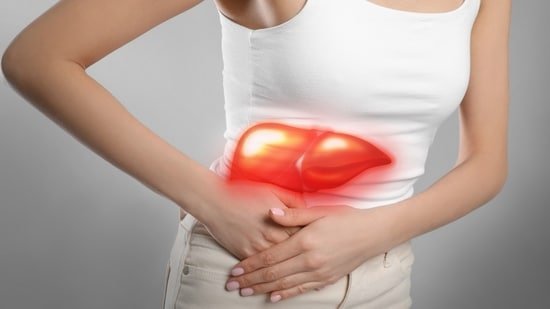
World Liver Day 2026: April 19 is observed annually as World Liver Day, aimed at raising awareness about liver health. Prevention is of paramount importance, making it essential to pay closer attention to your lifestyle habits, because if you don’t, they may put stress on your liver. Over time, the cumulative effect of your daily habits, including sleep, diet and emotional wellbeing, can significantly impact liver function. Start early and correct your habits to protect your liver in the long run.
Let’s address each pillar one by one. In a conversation with pathologist Dr Ramesh Kinha, chief operating officer at Thyrocare Technologies Ltd, he emphasised that people need to start paying attention to their lifestyle, otherwise they may be at risk of Metabolically Active Steatotic Liver Disease (MASLD), formerly known as Nonalcoholic Fatty Liver Disease or NAFLD, which usually occurs due to sedentary lifestyle habits.
But why is fatty liver so alarming? The doctor warned that it is usually asymptomatic, leading to late-stage diagnosis. “Fatty liver can result in abdominal discomfort, fatigue, and if left untreated, can lead to severe liver damage, cirrhosis of the liver, and cardiovascular risks.”
For identification, even if the condition is asymptomatic, knowing the symptoms is important. The doctor outlined weakness, discomfort or pain in the upper right side of the abdomen, jaundice or yellowing of the skin and eyes, swelling in the legs, and fluid build-up in the abdomen. He also mentioned how the diagnosis of fatty liver happens, “Fatty liver disease is diagnosed through LFT or Liver Function Test, ultrasound, MRI, or CT scan for detecting fat, and liver biopsy for determining the extent of liver damage.”
For prevention, correcting lifestyle habits is crucial. The pathologist highlighted five key pillars of lifestyle and explained what you can do to keep your liver healthy and functioning optimally.
1. Healthy diet

What you eat directly impacts your liver health, so being complacent is not an option. Your diet is indispensable when it comes to weight management, and being overweight or obese is a precursor to many liver-related issues. This is why the doctor advocates following a healthy diet to be within a healthy weight range.
Is there any special diet that benefits liver health? Dr Kinha suggested the Mediterranean diet because of the rich nutrient profile, containing essentials like minerals, vitamins, polyphenols, and plant compounds with anti-inflammatory properties and antioxidants, which help to lower triglycerides.
According to the doctor, this diet includes fruits, vegetables, whole grains, legumes, nuts, olive oil, healthy fats, seafood, lean proteins, and fibre, while limiting sugar, sweets, and fried or oily foods. Another highlight of this diet is omega-3 fatty acids, a healthy fat, which Dr Kinha noted is found in sources like fatty fish, walnuts, flaxseeds, and avocados.
2. Cut back on alcohol

The next recommendation from the doctor is to limit alcohol, and this extends to social drinking as well, because it all eventually adds up.
“Alcohol consumption reduces fat breakdown, raises fat synthesis, hinders fat export, disrupting the normal rhythm of fat metabolism in the liver. The liver is known to cause a breakdown of alcohol into toxic byproducts,” the pathologist described what alcohol does to your liver. “ Alcohol causes the liver to release fats into the bloodstream as very low-density lipoproteins. This results in the accumulation of triglycerides within the liver cells. Alcohol can also cause oxidative stress and inflammation in the liver.”
Reducing alcohol intake is one of the fastest ways to lower liver stress because of the multiple adverse effects of alcohol on the liver. For those who are already vulnerable to liver diseases, consider cutting back on alcohol a necessity for your health, rather than a mere option.
3. Move your body regularly

The doctor hailed exercise as ‘one of the best ways to prevent fatty liver symptoms.’ He strongly recommended engaging in at least 30 minutes of moderate exercise every day. “One can opt for brisk walking, cycling, strength training, yoga, etc., which can help to prevent the buildup of fat, boost metabolism, reduce stress, improve circulation, and burn fat,” he highlighted. It goes on to show that to prevent fatty liver, you don’t require an intense, vigorous fitness regime. Just be regular, and it will offer protective benefits.
When we asked how much body weight one should ideally lose to stay safe, Dr Kinha advised, aiming for at least 5 to 10 per cent of body weight, believing it can ‘significantly’ help to lower fat in the liver.
4. Manage stress

You need to take care of both your physiological and psychological health. Your mood can also impact your liver health adversely, making stress management a non-negotiable part of your routine. When you are stressed for a prolonged period, your cortisol levels remain elevated, which can lead to several health problems, including fatty liver disease.
The doctor shared some easy stress management techniques: “ Chronic stress is a major contributor to metabolic disorders, fatty liver disease, and weight gain. It is very important to manage stress levels through techniques such as deep breathing and meditation, engaging in recreational activities or hobbies, spending quality time in the midst of nature, and getting enough sleep.”
5. Hydrate properly

Cold drinks, sodas, and sugary beverages often replace water intake, especially in the summer season, but this can backfire. These drinks can act as diuretics, meaning they increase urination, leading to greater fluid loss, and ultimately, dehydration. Instead, the doctor emphasised the importance of water.
“Water helps in flushing out toxins from the body, lowers the symptoms of fatty liver, and boosts digestion,” Dr Kinha said, highlighting one of its primary roles in supporting liver function. Try to meet your daily hydration needs, as he advised drinking at least 8-10 glasses of water every day.
So, what should you choose instead of the fancy drinks? Dr Kinha highly recommended choosing green tea, herbal tea, or even black tea or coffee in moderation.
Note to readers: This article is for informational purposes only and not a substitute for professional medical advice. Always seek the advice of your doctor with any questions about a medical condition.
