

Why do spiritual practices focus on the breath?
One reason breathing plays such an important role in spiritual traditions is that it is always with us. Unlike many external tools or rituals, the breath requires nothing more than awareness.
The centre explains that observing the breath can help bring attention back to the present moment. Instead of dwelling on the past or worrying about what comes next, the mind is gently guided to what is happening right now.
Many people find that when they focus on their breathing, mental chatter begins to settle. The mind may not become completely silent, but moments of calm can start to emerge.
Also Read What Is Transcendental Meditation? A look at the practice popularised by Maharishi Mahesh Yogi
What is the significance of the pause between breaths?
Aathman Awareness Centre highlights an aspect of breathing that often goes unnoticed: the small gap between inhaling and exhaling.
After taking a breath in, there is a brief pause before the breath moves out. Another pause follows before the next inhalation begins.
According to the centre, these moments can offer an opportunity to experience stillness. Rather than trying to force relaxation or stop thoughts from arising, practitioners are encouraged to simply notice these natural pauses.
Over time, this observation can help create a greater sense of awareness and presence.
How can conscious breathing support spiritual growth?
The centre suggests that as awareness deepens, the breath begins to feel like more than a bodily process. It becomes a way of connecting with one’s inner world.
Many spiritual practices teach that growth starts with awareness. By paying attention to the breath, people may become more aware of their emotions, habits, and reactions. This awareness can lead to a deeper understanding of oneself.
The centre also describes the breath as a pathway to inner stillness and divine energy. For many practitioners, these experiences are not about achieving perfection but about developing a stronger connection with themselves and their spiritual beliefs.
Also Read Which meditation technique may work best for anxiety, according to experts
A simple practice to begin
Getting started does not require special training or equipment.
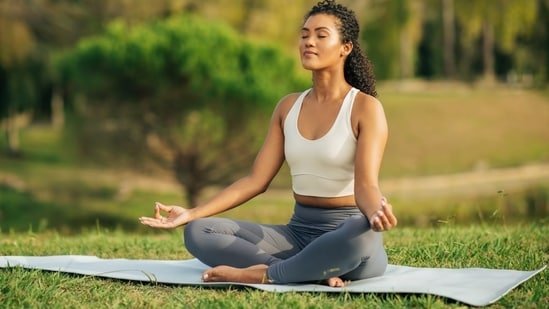
Sit comfortably in a quiet place and allow your breathing to remain natural. Notice the air entering and leaving your body. Then bring your attention to the brief pause between each inhale and exhale.
There is no need to control the breath. The practice is simply about observing.
According to Aathman Awareness Centre, a single conscious breath can become the first step on a deeper inward journey. In a world filled with constant noise and distractions, taking a moment to pause and notice the breath may be one of the simplest ways to reconnect with yourself.
Disclaimer: This article is user-generated content from a social media post. Reader’s discretion is advised.
