

If you feel mentally exhausted even after getting enough sleep, you may not simply need another cup of coffee or a longer break from work. Constant notifications, long workdays, endless scrolling and repeated decision-making can leave you feeling drained, distracted and unable to focus.
A recent article published by the Transcendental Meditation organisation in India has highlighted mental fatigue as a growing challenge of modern life and explored how Transcendental Meditation, or TM, may help the mind and body experience deeper rest. The article describes mental fatigue as cognitive and emotional exhaustion that can affect concentration, motivation, memory and emotional balance.
If you want to understand why TM has attracted attention in the US and around the world, it helps to first understand what the practice actually involves.
Also Read Why is transcendental meditation good for overcoming anxiety? According to a yogi’s teachings
What is Transcendental Meditation?
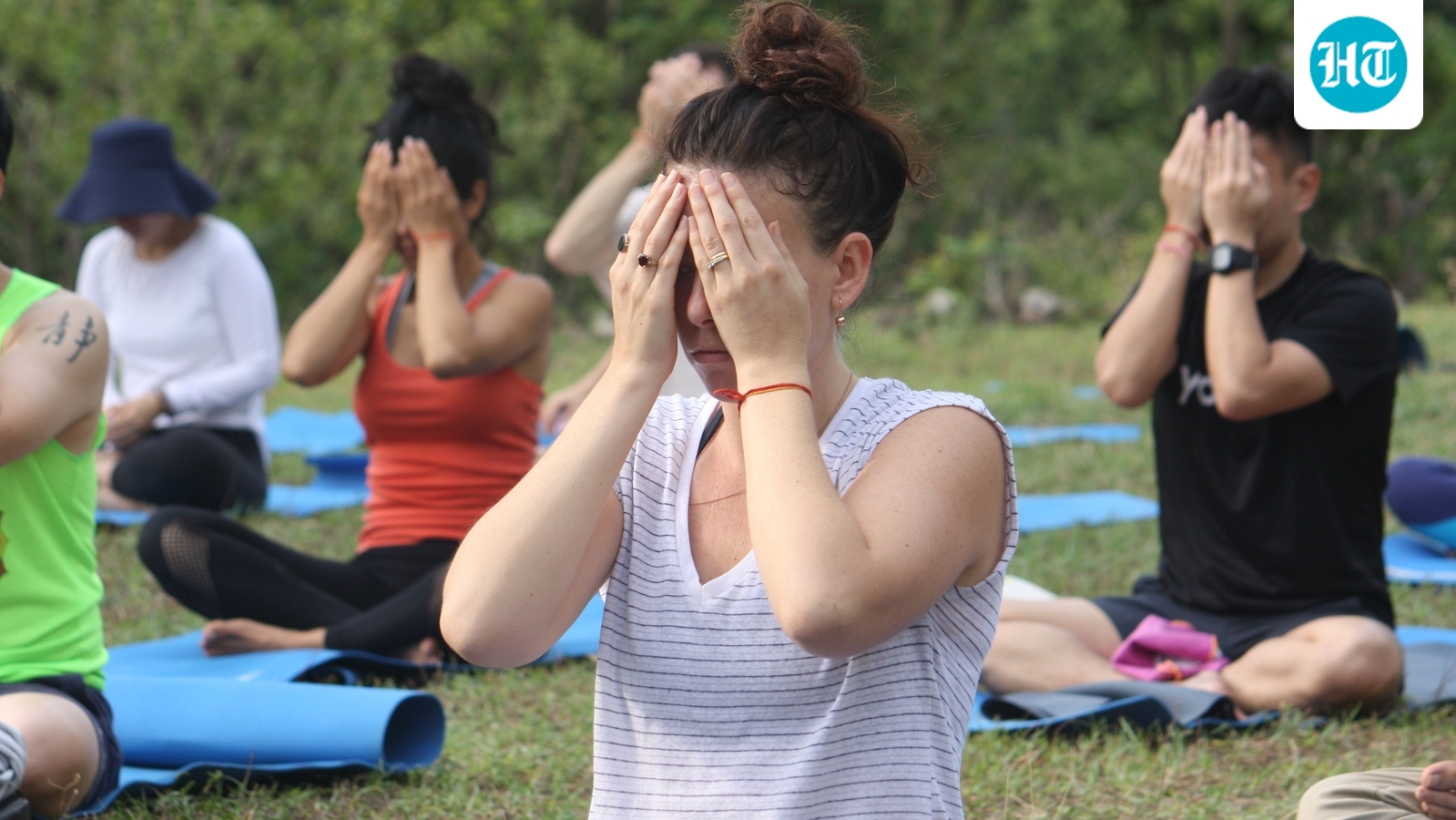
Transcendental Meditation is a meditation technique that you practise while sitting comfortably with your eyes closed. The official TM organisation says you practise it for about 20 minutes twice a day. Unlike mindfulness practices that often ask you to observe your thoughts or focus your attention on something, TM aims to let your mind settle naturally toward quieter levels of awareness.
You do not need to follow a particular religion or adopt a new belief system to practise TM. The technique traces its modern history to Maharishi Mahesh Yogi, who introduced it internationally, drawing on the Vedic tradition of India.
You also do not learn the technique simply by following a generic meditation video.
Also Read What Is Transcendental Meditation? A look at the practice popularised by Maharishi Mahesh Yogi
How can TM help when you feel mentally exhausted?
Mental fatigue can build when you spend hours switching between tasks, answering messages, making decisions and dealing with stress without giving your mind enough time to recover. The recent India TM article lists information overload, constant digital stimulation, workplace pressure, poor sleep and a lack of regular breaks among factors that can contribute to mental fatigue.
When you practise TM, you do not try to force your thoughts to stop. Instead, the technique encourages the mind to settle naturally. The TM organisation describes this experience as “restful alertness”, where you remain mentally awake while your body experiences deep rest.
Research on meditation also suggests that meditation-based interventions can help reduce fatigue, although researchers note that more studies need to examine how different types of meditation affect different forms of fatigue.
What does research say about TM and stress?
Stress remains one of the main reasons people turn to meditation. Research on TM has examined its possible effects on stress, anxiety, sleep and other aspects of well-being. The official TM organisation cites hundreds of peer-reviewed studies conducted over several decades.
One frequently cited study, published in Hormones and Behavior, examined cortisol, a hormone associated with the body’s stress response. The study reported a significant reduction in cortisol during TM among practitioners.
However, you should not treat meditation as a replacement for medical or mental health care. The TM organisation itself states that the technique should not replace professional diagnosis or treatment.
How can you practise Transcendental meditation?
If you want to learn TM, you generally start with instruction from a certified teacher rather than trying to recreate the technique from social sites. The official TM organisation says the practice involves around 20 minutes twice a day and uses personalised instruction.
You can think of the practice as a scheduled pause from the constant demands of your day. Instead of checking another notification, switching between tasks or trying to solve a problem, you give yourself time to sit quietly and allow your mind to settle.
For someone who feels mentally overloaded, that regular pause may offer a simple way to create more space in the day. You still need adequate sleep, physical activity, healthy food and professional support when necessary. Meditation can work alongside those habits rather than replace them.
