

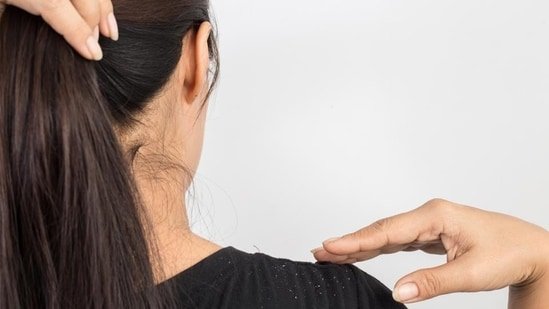
People believe that dandruff is caused by a dry scalp, which implies a lack of moisture and proper hydration. This assumption leads people to use products in much larger quantities than necessary, such as extra oils, heavy conditioners, and hair moisturisers, which can actually disrupt scalp and hair health. This often causes itchiness and irritation, which in turn increases the recurrence of dandruff and may even lead to hair fall. Hence, it is important to understand that dandruff and dry scalp are two distinct issues and to learn how to treat them accordingly.

What exactly causes a dry scalp?
Dry scalp occurs due to insufficient hydration, commonly caused by cold or dry weather and the overuse of hot water. This results in the formation of small, white, powdery flakes on the scalp, producing minimal itching and inflammation. “Whereas dandruff is a recurring scalp condition caused by Malassezia globosa, a naturally occurring fungus that feeds on sebum and produces oleic acid, which irritates sensitive skin”, Dermatologist Dr Rashmi Shetty tells Health Shots. The flakes are comparatively larger, yellowish-white, and often greasy or clumpy.
Can I permanently get rid of seborrheic dermatitis?
If not treated properly, dandruff can worsen as Malassezia rapidly multiplies, leading to increased inflammation; this is called seborrheic dermatitis. Effective anti-dandruff treatments should target the fungus directly. One such active ingredient is Piroctone Olamine, an anti-fungal that reduces yeast growth, controls flaking, and soothes irritation and inflammation.
How to 100% get rid of dandruff?
Several myths persist around dandruff that you should fact-check:
Myth 1 – Dandruff is caused by dry scalp
Dandruff is a chronic but manageable scalp condition that recurs. In reality, it occurs due to the persistent presence of Malassezia yeast and various triggers that feed on the scalp’s natural oils, which contribute to dandruff growth.
Myth 2 – Dandruff results from the aggressive, constant use of shampoo
While overwashing your hair with the wrong methods can damage the scalp, using an anti-dandruff shampoo with effective ingredients like Piroctone Olamine can help reduce dandruff. One should use this shampoo at least 2–3 times a week to achieve improved results.
Benefits of using Piroctone Olamine shampoo include:
- Effective anti-fungal active
- Gentle on the scalp
- Suitable for regular use
- Works across various climates and scalp types
Myth 3 – Dandruff is contagious
Dandruff is not a contagious disease. It does not spread through sharing combs, hairbands, towels, hats, or any other personal items. The yeast involved is a normal part of the skin’s microbiome. How a scalp reacts to it depends on individual factors and personal sensitivities.
Myth 4 – Once flakes reduce, dandruff is permanently gone
Because dandruff is a recurring condition, your scalp requires regular treatment to keep it under control and prevent it from recurring. Even if flaking subsides, it is important to continue caring for your hair and following the right approach.
How to remove dandruff at home in 5 minutes?
While regular hair care can help solve these problems, it is also important to maintain healthy daily habits, such as a balanced diet, stress management, and sufficient sleep. Dandruff is extremely common, affecting nearly half of all adults at some point. However, with consistent care, the right approach, and small routine tweaks, a clear, healthy scalp is achievable.
(Disclaimer: This article is for informational purposes only and not a substitute for professional medical advice. Always seek your doctor’s advice for any questions about a medical condition. At Hindustan Times, we help you stay up-to-date with the latest trends and products. Hindustan Times has an affiliate partnership, so we may get a part of the revenue when you make a purchase. We shall not be liable for any claim under applicable laws, including but not limited to the Consumer Protection Act, 2019, concerning the products. The products listed in this article are in no particular order of priority.)
