

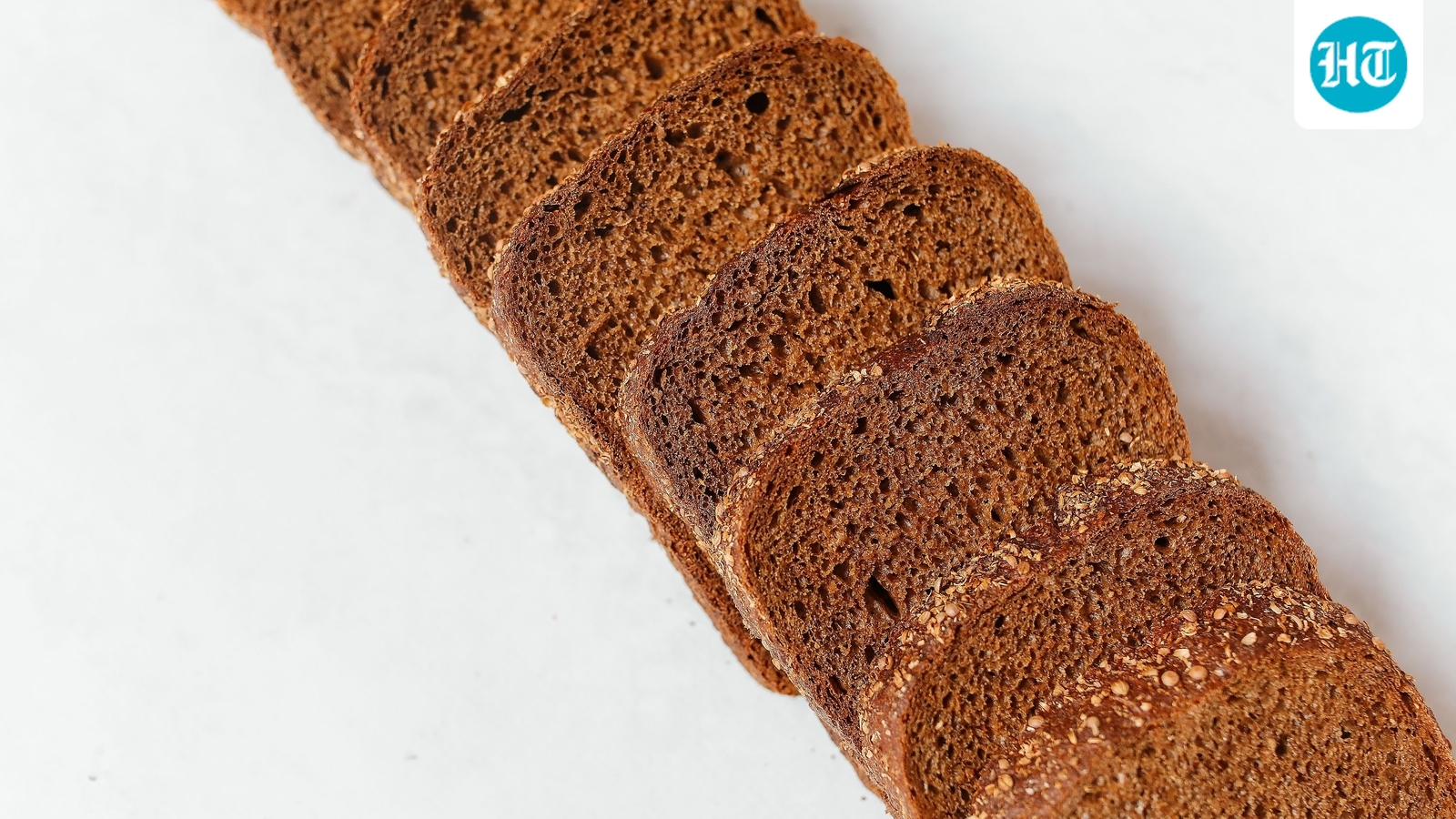
The internet says switching to brown bread can make your diet healthier, which is why many people are making the switch for its perceived health benefits. In this edition of HT Lifestyle’s ‘Internet vs Reality’ series, we spoke to Dr Nethra N, consultant in internal medicine at Manipal Hospitals, Electronic City, Bengaluru, to understand whether brown bread is actually a healthier choice than white bread.
Also read | The internet says walking after eating can help you burn fat: Here’s what expert wants you to know
Is brown bread a better choice?
According to Dr Nethra, brown bread is often considered healthier than white bread, but this is not always true. The nutritional value of bread depends primarily on the type of flour used, the degree of processing and the ingredients added during manufacturing, rather than its colour alone.
“Whole wheat bread is generally a healthier choice because it retains the bran, germ and endosperm of the wheat grain,” highlighted Dr Nethra. This makes it a better source of dietary fibre, B vitamins and minerals than bread made from refined wheat flour.
Fibre supports digestive health, promotes satiety and can help regulate blood sugar levels. Choosing whole grain bread regularly may also contribute to better long-term cardiovascular and metabolic health.However, brown bread is not necessarily whole wheat bread.
Some commercially available varieties are made predominantly from refined flour, with colouring agents such as caramel or molasses added to give them a brown appearance. These products may have a nutritional profile similar to that of white bread, despite appearing healthier. Some varieties may also contain added sugar, salt or fats.
According to Dr Nethra, white bread is typically made from refined wheat flour, from which much of the bran and germ have been removed. Consequently, it generally contains less fibre and may cause a faster rise in blood glucose than bread made from whole grains. However, white bread is not inherently harmful and can still be part of a balanced diet, depending on portion size, overall dietary patterns and individual health requirements.
How to make the right choice?
“When buying bread, consumers should read the ingredient list rather than relying on colour or marketing claims,” said Dr Nethra. Look for whole wheat flour or whole grain flour listed as the primary ingredient, and compare the fibre, added sugar and sodium content across products. Terms such as multigrain or brown do not automatically indicate that a product is made from whole grains.
“For people with diabetes, insulin resistance or other metabolic concerns, choosing a higher-fibre whole grain option can be beneficial, although the total carbohydrate intake and portion size remain important,” said Dr Nethra. Individuals with coeliac disease must avoid wheat-based bread, including whole wheat varieties, and choose suitable gluten-free alternatives.
Note to readers: This article is for informational purposes only and not a substitute for professional medical advice. Always seek the advice of your doctor with any questions about a medical condition.
