

Women should pay attention to breast health at every stage of life, from a young age. Yet many seek medical advice only when they notice a lump or experience discomfort. Understanding what is normal for your breasts, recognizing changes, and knowing when to seek medical care can help ensure early diagnosis and care; this explains why there is an urgent need for greater awareness.

According to estimates from the Indian Council of Medical Research’s National Cancer Registry Program, India recorded an estimated 2,21,757 new breast cancer cases in 2022, making it the country’s most commonly diagnosed cancer. The report, published in the Indian Journal of Medical Research, also highlighted the growing burden of cancer in India.
“Early detection can improve the chances of successful treatment. However, not every examination serves the same purpose. The right approach depends on a person’s age, medical history and risk factors,” Medical Oncologist Dr Mannavi Suman at HCG Abdur Razzaque Ansari Cancer Hospital (Irba, Jharkhand) tells Health Shots.
Breast self-examination: Know what is normal
Breast self-examination involves checking the breasts for changes in their appearance or feel. While it is not a substitute for medical screening, being familiar with your breasts can help you recognize changes that need attention.
Look at your breasts in a mirror, first with your arms by your sides and then raised. Check for changes in size or shape, skin dimpling, unusual swelling, or nipple changes. You can also gently feel the breasts and the area extending towards the armpits for any new lumps or thickening. If you are unsure how to do it, ask your doctor for the correct method. You don’t need to follow a complicated technique or worry about every variation. Breasts can naturally feel different during the menstrual cycle, pregnancy, and menopause. The important thing is to notice changes that are new or unusual for you.
According to the American Cancer Society, routine breast self-examination is not recommended as a stand-alone screening test for women at average risk because studies have not shown that it reliably reduces breast cancer deaths. Instead, women are encouraged to be familiar with how their breasts normally look and feel, and report any unusual changes to a healthcare professional.
Clinical breast examination: When a doctor steps in
A clinical breast examination is performed by a trained healthcare professional, who checks the breasts and surrounding areas, including the armpits, for lumps or other abnormalities. This may be useful when a woman notices a change, has concerns about her breast health, or needs an assessment based on her personal or family medical history. A doctor may recommend further investigations if they find something unusual.
However, a clinical examination cannot identify every breast cancer. Routine clinical breast examinations are not recommended as a substitute for established screening methods in women at average risk who have no symptoms.
In India, clinical examinations can support an early-detection strategy, particularly in settings where access to mammography is limited. The World Health Organization (WHO) distinguishes between early diagnosis, which involves identifying symptoms and obtaining timely medical care, and screening, which aims to detect disease before symptoms appear. Both approaches help improve breast cancer outcomes.
Mammography: Understanding the test
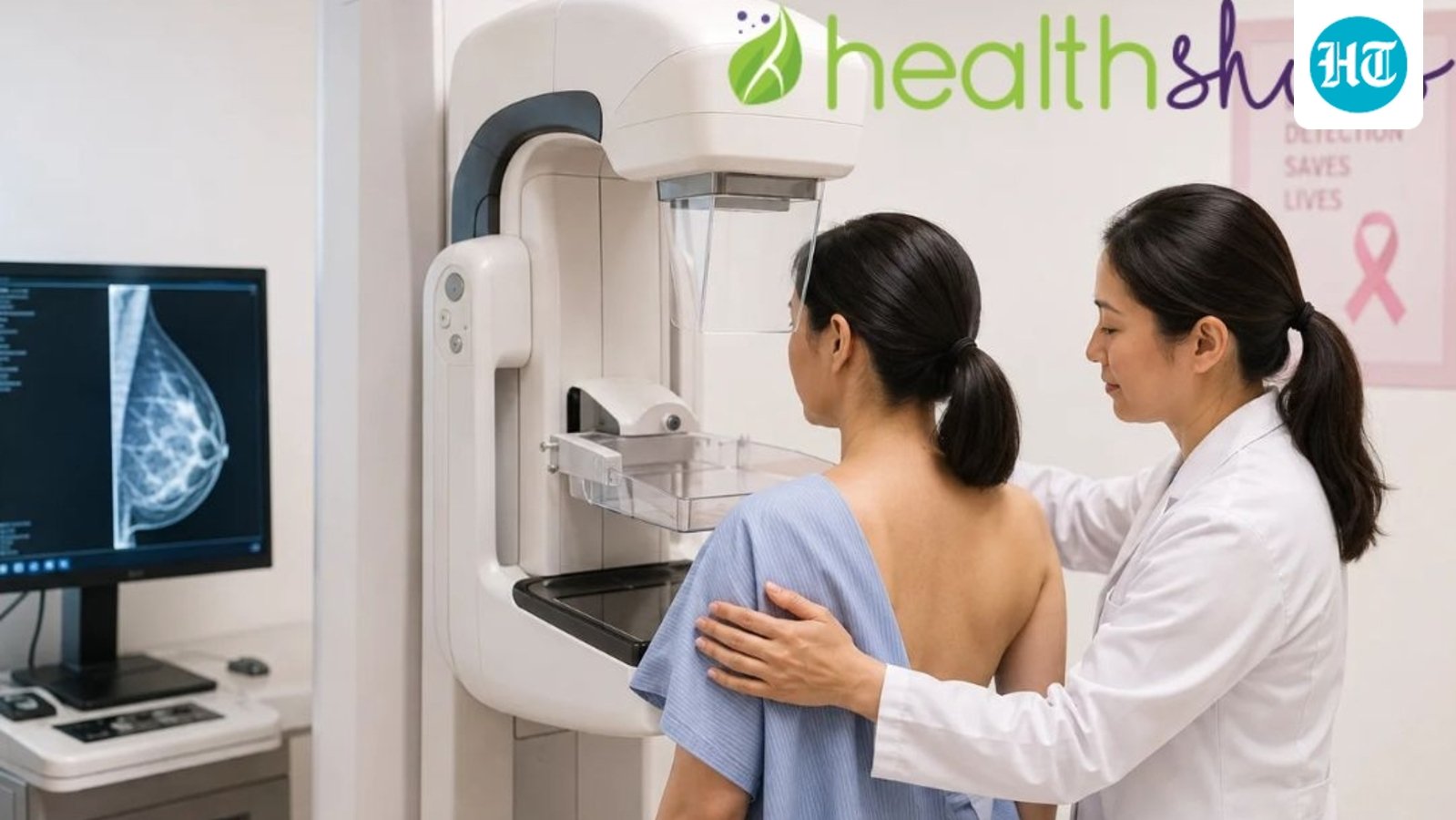
A mammogram is a breast X-ray that can detect abnormalities, including some cancers, before they can be felt. During the procedure, the breast is briefly compressed between two specialized plates (compression paddles) to obtain images. The process can cause temporary discomfort, but the examination is generally quick. The WHO lists mammography as an important tool for breast cancer screening, particularly in organized programs designed for appropriate age groups. However, screening is not equally beneficial for everyone, and its effectiveness depends on factors such as age, breast cancer risk, and access to timely diagnosis and treatment.
Screening recommendations vary by country and individual risk. For example, the American Cancer Society recommends that women aged 40 to 44 have the option of annual mammograms, women aged 45 to 54 get annual screening, and women aged 55 and older move to screening every two years or continue annually. These recommendations should not automatically be treated as a universal schedule for India. Women should discuss the appropriate starting age and frequency with their healthcare provider, particularly if they have a strong family history or other risk factors.
Mammography has its limitations. Some cancers may not be visible on the images. At the same time, abnormal findings can sometimes lead to additional tests when cancer is not present. A healthcare professional can help women understand the potential benefits and limitations before deciding on a screening plan.
When you should seek medical advice
Do not wait for a routine screening appointment if you notice a new lump, persistent swelling, unusual or bloody discharge, a newly inverted nipple, skin dimpling, or a change in breast shape. These symptoms do not necessarily mean cancer, but they need a proper medical assessment. It is important to remember that breast cancer can affect younger women too. Age alone should not be a reason to ignore a suspicious change.
The first step is awareness
Breast cancer screening doesn’t begin or end with a single test. It involves understanding personal risk, recognizing changes, and following an appropriate screening plan. Self-awareness can help women act early, while clinical assessment and mammography play different roles in detecting and investigating abnormalities. The most important step is simple: know what is normal for you, seek medical advice when something changes, and discuss screening with a qualified healthcare professional rather than waiting for symptoms to become difficult to ignore.
(Disclaimer: This article is for informational purposes only and is not a substitute for professional medical advice. Always seek the advice of your doctor with any questions about a medical condition.)
