

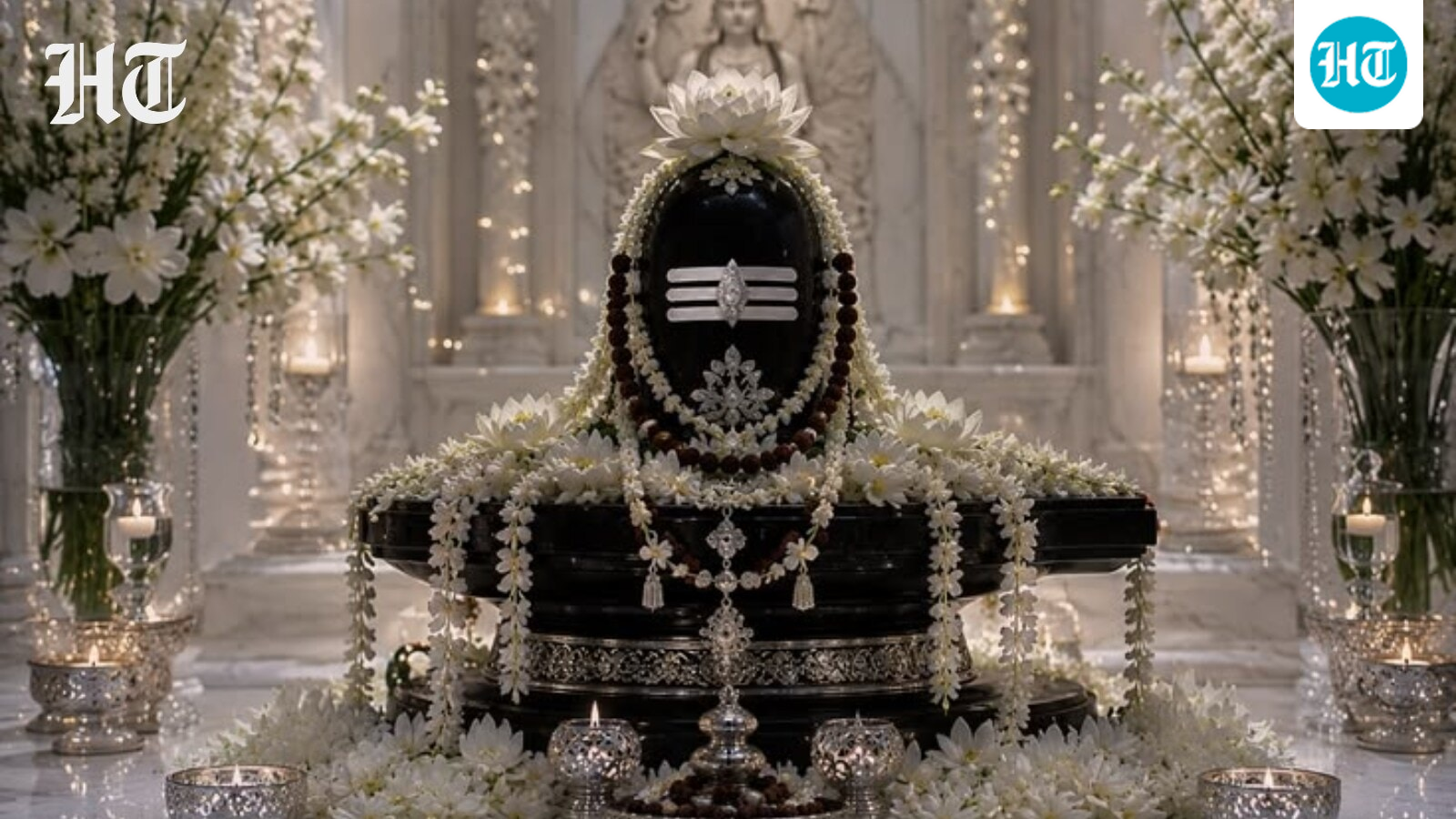
Sawan is considered one of the most important months for worshipping Lord Shiva. During this sacred period, devotees spend more time in prayer, visit Shiva temples, perform Jalabhishek, offer Bel Patra, chant Shiva mantras, and observe Sawan Somwar Vrat.
According to Gurudev Vikrant Jain, Chairman and Founder of the Indian Institute of Vedic Science, Sawan is a special time for Shiva bhakti, self-discipline, prayer, and spiritual growth. It is not only about performing rituals but also about keeping faith and devotion in your heart.
Sawan is more than just another month in the Hindu calendar. It is traditionally dedicated to Lord Shiva, and devotees use this time to deepen their spiritual practice. According to beliefs, worshipping Lord Shiva with a pure heart during this holy month can bring peace, positivity, prosperity, and spiritual growth.
The significance of Sawan somwar vrat
Monday is traditionally considered an important day for worshipping Lord Shiva. During Sawan, devotees especially observe fasts on Mondays, known as Sawan Somwar.
The Shravan month began on July 30, 2026, and devotees will observe four Sawan Somwar fasts this year. Devotees also observe the Sawan Shivratri Vrat, which falls on Tuesday, August 11, 2026.
However, fasting is not simply about staying hungry. According to Gurudev Vikrant Jain, the deeper meaning of Sawan worship is not determined by the number of rituals you perform. What matters most is your faith, devotion, and sincerity.
Lord Shiva is known as Bholenath because He is traditionally believed to be pleased by simple and honest devotion. You do not need expensive offerings or elaborate rituals to worship Him. A simple offering made with genuine faith can be more meaningful than a grand puja performed without devotion.
So, during Sawan, focus not only on what you offer to Lord Shiva but also on what you bring into your heart: faith, peace, kindness, and positive thoughts.
Sawan Shivratri Vrat: Do’s
1. Wake up early
Try to wake up early in the morning and take a bath before starting your day. Begin your morning with a peaceful mind and prayers to Lord Shiva.
2. Perform Jalabhishek
Visit a Shiva temple and offer water to the Shivling. You can also offer milk according to your family tradition.
While performing Jalabhishek, you can chant:
“Om Namah Shivaya.”
3. Offer bel patra
Bel Patra is one of the traditional offerings made to Lord Shiva. You can also offer items such as Dhatura, Madar flowers, and white sandalwood during Shiva puja, according to your tradition.
4. Keep your vrat according to your health
Some devotees observe a Nirjala Vrat, during which they do not eat or drink anything. However, this type of fast is not suitable for everyone.
If you cannot observe a Nirjala fast, you can have fruits, milk, or other simple fasting foods according to your tradition. Do not put your health at risk in the name of fasting.
5. Visit a Shiva temple
If possible, visit a Shiva temple during Sawan. Offer your prayers, perform Jalabhishek, and spend some quiet time remembering Lord Shiva.
Sawan Shivratri Vrat: Don’ts
1. Do not offer certain things to the Shivling
According to traditional beliefs, devotees generally avoid offering Tulsi leaves, turmeric, Kumkum, coconut water, and Ketaki flowers to Lord Shiva.
2. Avoid onion, garlic, and non-vegetarian food
Many devotees follow a simple sattvic diet during Sawan. They traditionally avoid onion, garlic, and non-vegetarian food during this holy month.
3. Do not break your fast at the wrong time
If you are observing a vrat, follow the fasting rules of your tradition. Break your fast at the appropriate time rather than eating during the fasting period.
4. Stay away from anger and arguments
Sawan is a month dedicated to Shiva bhakti, so try to keep your mind calm. Avoid unnecessary fights, anger, negativity, and arguments.
Remember, puja is not only about what you offer during worship. It is also about what you carry inside your heart.
5. Do not force yourself to keep a nirjala vrat
If you are not physically fit or cannot stay without food and water, do not force yourself to observe a Nirjala fast. You can follow a simpler vrat with fruits, milk, or other permitted foods according to your tradition. Your health should always be taken into consideration.
ALSO READ: 5 subtle things tarot readers may notice about you immediately, but might not always mention
Disclaimer: The practices and beliefs mentioned in this article are based on traditions and may vary across families and communities. This article is intended for informational purposes only.
