

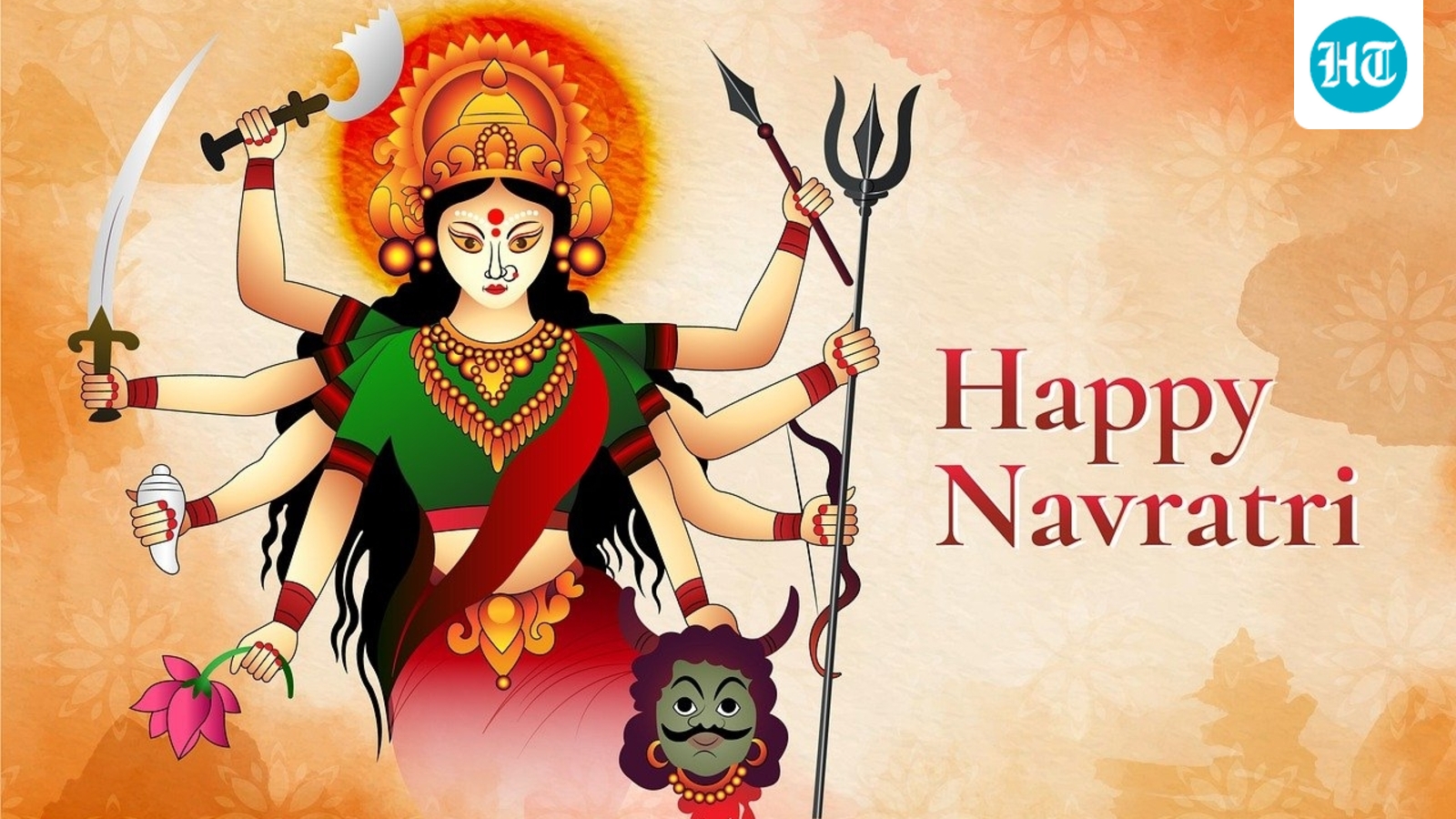
Sharad Navratri is a time when many devotees turn to prayer, chanting and spiritual practices to deepen their connection with the Divine Feminine. But does repeating a chant hundreds or even 1,000 times make a difference to your spiritual experience?
Sadhguru’s recent Navratri teachings offer a way to explore the deeper meaning of the nine-day festival. In an article published on September 18 by Isha Foundation, he mentions why Navratri honours the Divine Feminine and how the festival connects with different qualities of existence.
If you are observing Navratri this October, you can use the occasion to look beyond the number of repetitions and reflect on the attention, intention and devotion you bring to your practice.
Also Read Sharad Navratri 2026: Sadhguru’s teachings on the spiritual meaning of the festival
What does chanting mean during Sharad Navratri?
Chanting involves repeating a sacred name, mantra or prayer as part of a spiritual practice. For many devotees, it offers a way to focus the mind, express devotion and create a regular moment for prayer.
During Navratri, people worship different forms of Devi, or the Divine Feminine. Sadhguru explains that the festival explores three dimensions traditionally represented by Durga, Lakshmi and Saraswati. These relate to different qualities of life, including action, well-being, and learning.
When you chant, you can use the practice to pause your daily routine and bring your attention to the prayer instead of rushing through the words.
What does chanting 1,000 times mean spiritually?
Repeating a mantra 1,000 times can represent discipline, commitment and devotion for someone who chooses that practice. However, the number alone does not establish the depth of a person’s spiritual experience.
Your approach matters to your own practice. If you repeat a prayer while constantly checking how much remains, you may find it difficult to focus on its meaning. If you slow down, understand the words and give the practice your attention, chanting can become a more deliberate part of your day.
Sadhguru’s recommendation on a specific number of chants
Isha Foundation’s guidance on Navratri Sadhana gives specific instructions for the Linga Bhairavi Stuti. It says participants who practise independently can chant the Stuti three, six, nine or eleven times. The guidance recommends eleven cycles daily, with each cycle containing all 33 names of Devi.
These instructions apply to that particular practice. They should not be treated as a universal rule for every mantra or form of Navratri worship.
How can you make Navratri chanting more meaningful?
You can start with a simple routine that fits your day.
- Choose a prayer: Select a mantra or devotional chant from a tradition you follow.
2. Set aside quiet time: Find a comfortable place where you can focus without frequent interruptions.
3. Understand the words: Learn what the prayer means instead of treating it as a set of sounds.
4. Keep a steady pace: Choose a number of repetitions that you can complete with attention and care.
5. Reflect afterwards: Spend a few moments noticing your thoughts and how you feel after the practice.
Disclaimer: This article is for informational purposes only. Religious or personal practice, and claims about its spiritual effects, should not be practised without any professional guidance.
