

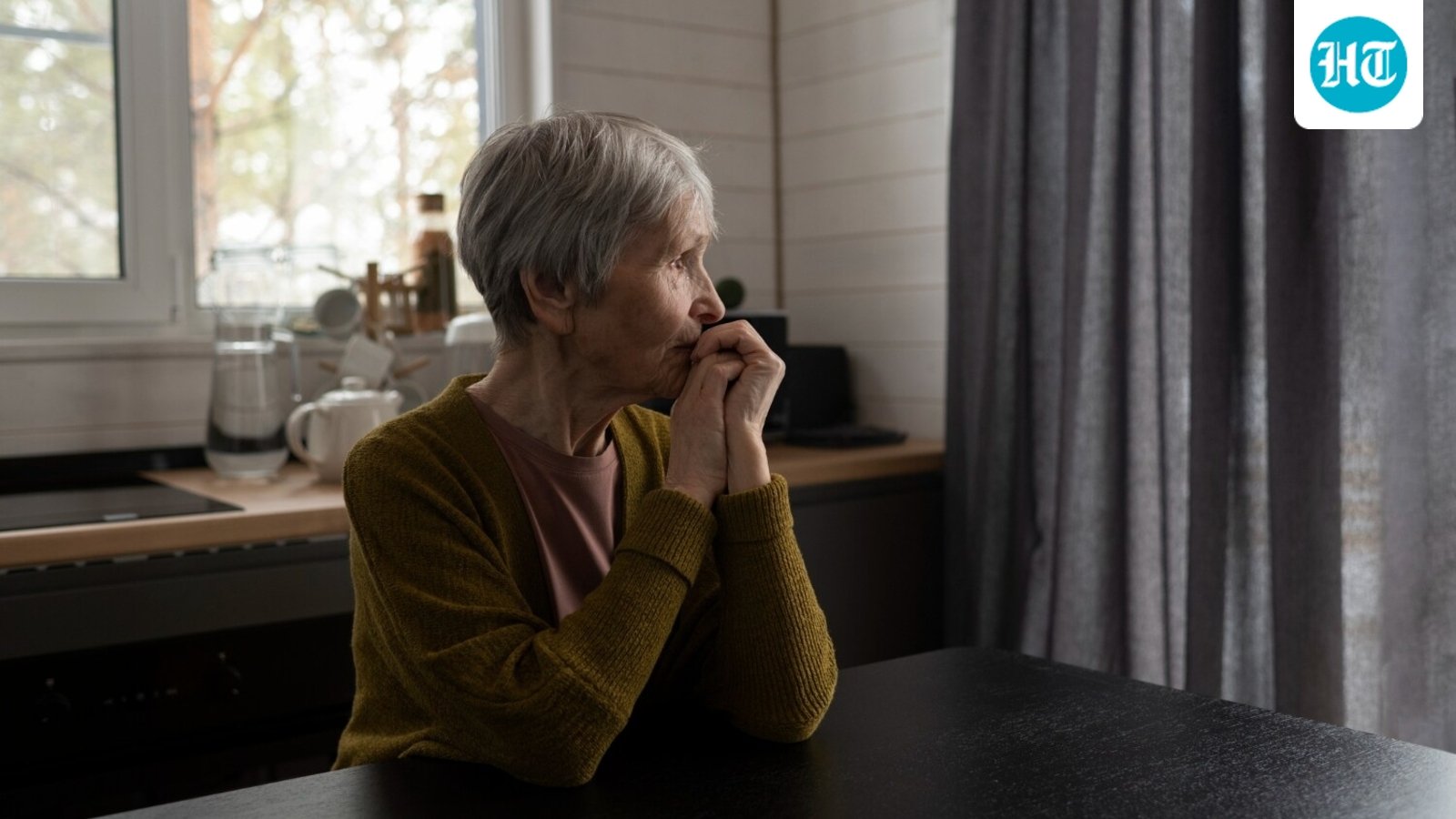
As India’s elderly population grows, loneliness is becoming an increasingly important issue. While changing family structures, migration and shrinking households are often seen as the main reasons, where older adults live also plays a significant role. Being close to family, healthcare facilities and familiar communities can have a meaningful impact on emotional well-being and quality of life in later years. (Also read: Psychiatrist with 22 years of experience shares ‘best things’ to do every morning for your mental health )
How location affects mental health in older adults
Drawing on findings from the Longitudinal Ageing Study in India (LASI), Archana Sharma, Clinical Psychologist at Sri Balaji Hospitals, said loneliness is emerging as a growing concern among India’s older adults.
“Distance from known support systems and less social contact significantly influences mental health later in life. Those older individuals who remain in regular contact with their families, friends and communities enjoy good mental health,” she told HT Lifestyle.
According to LASI, around 14.9% of elderly Indians report feeling socially disconnected, while nearly 29-35% experience symptoms of depression. Experts say these figures highlight that loneliness is not merely an emotional experience but is closely linked to the environments in which older adults live.
Sharma explained that regular access to healthcare, familiar neighbourhoods and loved ones creates opportunities for meaningful social interaction, which can help protect against depression and cognitive decline.
“The condition of elderly individuals is closely associated with both emotional and physical infrastructure. Proximity to healthcare, family and familiar social spaces matters more than we’ve traditionally emphasised in aging discourse,” she said.
Why staying connected is key to healthy ageing
Experts say retirement often brings the loss of daily routines and professional identity, making social relationships even more important. Older adults who remain connected to their communities through regular interaction with family, friends and neighbours are more likely to maintain better emotional health.
Research conducted by the Sankala Foundation in collaboration with NITI Aayog found that 18.7% of elderly women and 5.1% of elderly men live alone, with isolation varying significantly depending on location and access to support systems.
Sharma believes that ageing well requires more than medical care. “Those who remain in contact with their communities experience better mental health outcomes. This isn’t about amenities or comfort. It’s about whether the environment enables or prevents sustained human connection,” she said.
She added that location should be viewed as an important health decision, not simply a housing choice. Living close to healthcare facilities, family members and established social networks can make it easier for older adults to stay engaged, seek help when needed and maintain a sense of purpose.
As India continues to rethink elder care, experts suggest that creating communities that prioritise connection over isolation may be one of the most effective ways to support healthy ageing.
Archana Sharma is a Clinical and Child Psychologist at Sri Action Balaji Medical Institute, Paschim Vihar, with 23 years of experience in the field of mental health. She completed her graduation and post-graduation from the University of Delhi, followed by an M.Phil in Clinical Psychology from the Institute of Human Behaviour and Allied Sciences (IHBAS). Her areas of expertise include child psychology, cognitive behavioural therapy (CBT) and behaviour therapy.
Note to readers: This article is for informational purposes only and not a substitute for professional medical advice. Always seek the advice of your doctor with any questions about a medical condition.
