

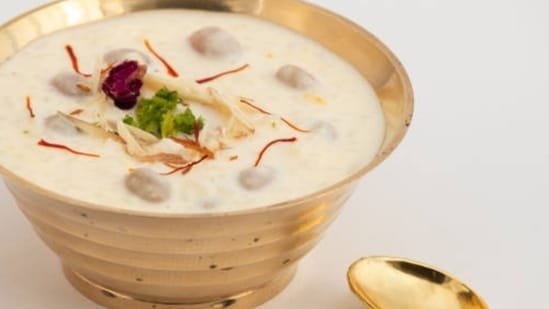
A thick, creamy dessert gently cooked over time can bring a sense of ease to summer meals. Raundh ki kheer is a slow-cooked Indian dessert known in parts of North India, especially rural regions, where cooking over low heat was a daily practice that enhanced both flavour and texture.
Raundh ki kheer is made by slowly simmering milk with broken grains like wheat, rice, or millets. The slow cooking”>slow cooking process allows the ingredients to blend naturally, creating a smooth and rich texture. This method also helps release natural sweetness from the grains, reducing the need for added sugar.
This dessert is different from regular kheer because it is cooked for a longer time on low heat, giving it a thicker consistency and deeper flavour. Unlike quick versions, raundh ki kheer develops a natural creaminess and a slightly nutty taste that feels balanced and easy to enjoy.
Raundh ki kheer is often connected to summer because it is served slightly cooled, making it suitable for hot weather. Milk provides calcium and protein”>calcium and protein, while grains add fibre that supports digestion. Natural sweeteners”>Natural sweeteners like dates, jaggery, or raisins can be used instead of refined sugar, making it a better choice among healthy Indian sweets and gut friendly foods.
The Healthy Diffrence Between Raundh Ki Kheer And Regular Kheer
Quick Recipe Overview
- Prep Time: 15 minutes
- Cook Time: 45–60 minutes
- Servings: 3–4 bowls
- Calories: 220–260 calories per serving
- Flavour Profile: Mildly sweet, creamy, slightly nutty
- Nutrition: Contains protein, calcium, fibre, and natural energy
- Difficulty: Easy to Moderate
Slow-Cooked Raundh Ki Kheer with Creamy Texture and Mild Sweetness
This kheer has a thick and creamy texture with a gentle nutty flavour from grains and a rich taste from milk. Slow cooking creates a smooth consistency that feels light when served slightly cooled, making it suitable for summer desserts and everyday meals.
Ingredients
- 1/2 cup broken wheat or rice
- 1 litre milk
- 6–8 soaked dates or 2 tablespoons grated jaggery
- 1/2 teaspoon cardamom powder
- 1 tablespoon chopped almonds
- 1 tablespoon chopped cashews
- 1 tablespoon raisins
- 1 teaspoon ghee (optional)
Step-by-Step Instructions
- Wash the broken wheat or rice thoroughly and soak it in water for 10 to 15 minutes. Drain and keep aside.
- Heat milk in a heavy-bottomed pan and bring it to a gentle boil.
- Add the soaked grain to the milk and cook on low heat. Stir occasionally to prevent sticking.
- Continue cooking for 40 to 50 minutes until the grains become soft and the milk thickens.
- Add soaked dates or grated jaggery and mix well until dissolved.
- Add cardamom powder, nuts, and raisins. Stir gently.
- Cook for a few more minutes, then switch off the heat.
- Let it cool slightly before serving. It can also be chilled for a more refreshing taste.
Smart Cooking Tips for Perfect Raundh Ki Kheer
- Choose the Right Pan
A heavy-bottomed pan helps prevent sticking and keeps the milk from burning. - Slow Cooking Makes a Difference
Low heat allows flavours to develop naturally and gives a richer texture. - Keep Stirring Gently
Regular stirring ensures a smooth consistency and prevents lumps from forming. - Soak for Better Texture
Soaked grains cook evenly and blend well with milk for a softer result. - Add Sweetness at the Right Time
Natural sweeteners like dates or jaggery work best when added after cooking. - Control the Thickness Easily
Adjust consistency by adding warm milk if the kheer becomes too thick. - Serve at the Right Temperature
Slightly cooled kheer feels lighter and more suitable for summer days. - Enhance with Nuts and Texture
Chopped nuts add a gentle crunch and improve both taste and nutrition.
Nutritional Value of Raundh Ki Kheer
Report by USDA Name: Dairy and Products Annual”>Report by USDA Name: Dairy and Products Annual shows that, raundh ki kheer provides a mix of protein, fibre, and essential nutrients, making it a balanced dessert option.
Ingredient-Based Nutritional Benefits
Each ingredient contributes to making this dessert nourishing and balanced.
FAQs
Can raundh ki kheer be made with millet?
Yes. Millets can be used instead of wheat or rice for a different flavour.
Can sugar be added instead of dates?
Natural sweeteners like dates or jaggery are better options.
Can this recipe be made vegan?
Yes. Plant-based milk can be used instead of dairy milk.
