

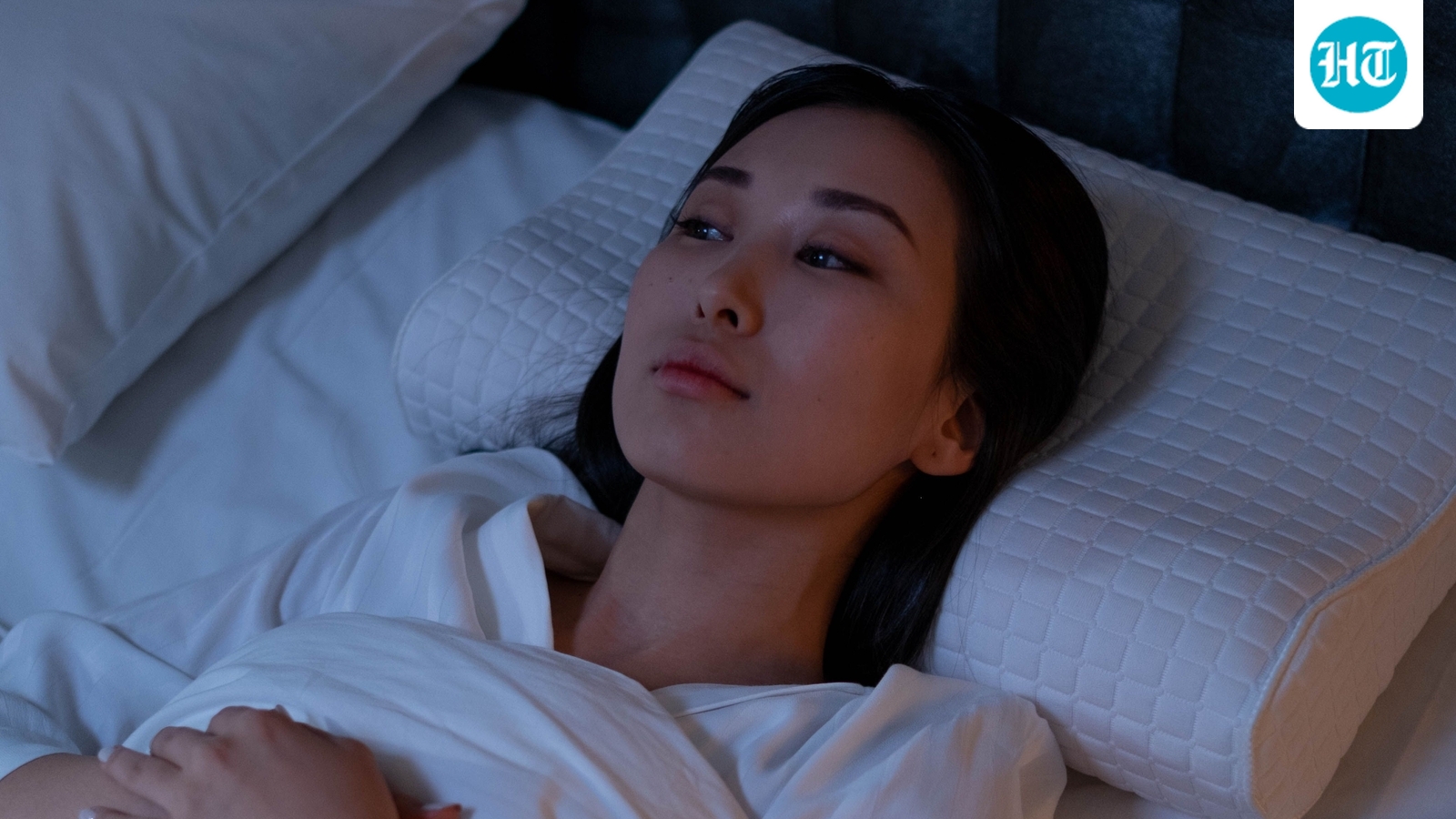
While there is growing conversation about mental health in society, it remains an area that people often hesitate to seek help for. For many of us, especially the elderly, having a good night’s sleep is the answer to a wide range of mental health issues like anxiety and depression.
When feeling down, one of the first things that come to mind is to just “sleep it off.” But that is not always the answer, according to Dr Munia Bhattacharya, a senior consultant in clinical psychology at Marengo Asia Hospitals, Gurugram with more than 16 years of clinical experience.
“If sleep could fix everything, therapists would prescribe pillows,” she told HT Lifestyle. “But that is not how the mind works.”
The psychologist shared that people often tell her that they are feeling anxious even after getting eight hours of sleep every night. This phenomenon is more important than they realise, she noted.
What sleep can and cannot do
When it comes to taking care of one’s mental health, Munia Bhattacharya acknowledged that sleep has an important role to play. The benefits of sleeping in this context include:
- Giving an exhausted mind a break
- Improving concentration
- Improving patience
- Improving emotional regulation
“But when the problem is grief, unresolved trauma, chronic anxiety, depression, or a relationship that is quietly breaking you down, eight hours in bed does not make the problem disappear,” the psychologist pointed out.
“Sometimes, you wake up rested, and the problem is still waiting for you. That is not a failure of sleep. It is a sign that something else may need attention,” she added.
How sleep can add to stress
The psychologist highlighted the irony that some people are so afraid of not sleeping that sleep itself becomes stressful for them.
One can check the clock, count the hours, calculate how badly tomorrow will go and desperately try to “make” themselves sleep, but the mind does not always cooperate with commands, noted Munia Bhattacharya.
“So please sleep. Protect it. Respect it. But don’t use sleep as a test of whether you are mentally healthy,” she advised. “If you are sleeping reasonably well and still feel persistently anxious, empty, overwhelmed or unlike yourself, listen to that signal.”
Sometimes a person does not need another eight hours of sleep, but an honest check about what is keeping them emotionally awake. That is where mental health begins to become more than just a sleep problem, believes the psychologist.
Note to readers: This article is for informational purposes only and not a substitute for professional medical advice. Always seek the advice of your doctor with any questions about a medical condition.
