

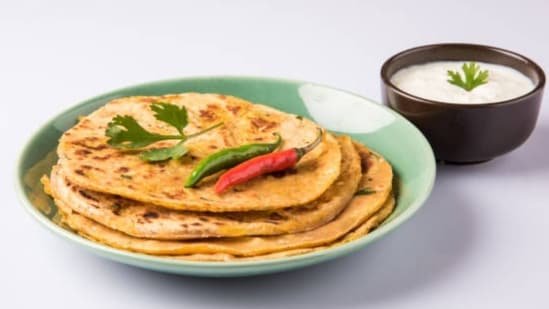
Freshly rolled parathas with yoghurt mixed directly into the dough can create a softer texture and richer flavour for breakfast mornings. High-protein dahi paratha combines curd, whole wheat flour, herbs, and mild spices to create a probiotic-rich flatbread with golden colour, soft layers, and balanced savoury taste.
Dahi paratha has roots in North Indian home cooking where curd is often added to dough for softer texture and slight tanginess. This breakfast version focuses on adding protein-rich ingredients like curd, paneer, or seeds into the dough to make the flatbread more nutritious. The yoghurt also helps create smoother dough while improving softness after cooking.
High-protein dahi paratha differs from many regular breakfast options because it combines grains and probiotics in a single dish instead of relying mainly on refined flour or sugary ingredients. Compared to plain parathas, this version develops softer layers and slightly tangy flavour from the curd while remaining lighter in texture.
Curd contributes probiotics and protein”>probiotics and protein while whole wheat flour provides fibre and steady energy support”>fibre and steady energy support. Adding herbs and seeds also improves texture and flavour without making the breakfast feel overly heavy during summer mornings.
Its golden surface, soft bite, and mild tangy flavour make it suitable for breakfast, lunchboxes, or quick meals. The combination of yoghurt, wheat flour, and light spices creates a protein-packed Indian breakfast that feels fresh, simple, and easy to prepare at home.
Difference Between High Protein Dahi Paratha and Regular Breakfast Options
Quick Breakfast Recipe Snapshot
Prep Time: 15 minutes
Cook Time: 15 minutes
Servings: 4 parathas
Calories: 180 calories per paratha
Flavour Profile: Mildly tangy, savoury, and soft
Nutrition: Protein-rich and probiotic-friendly
Difficulty: Easy
Soft Dahi Paratha with Protein Rich Dough and Fresh Herbs
This high-protein dahi paratha combines whole wheat flour, curd, herbs, and seeds to create soft breakfast flatbreads. The yoghurt helps maintain softer texture while the spices and herbs add balanced flavour.
Ingredients
- 2 cups whole wheat flour
- 1 cup thick curd
- 2 tablespoons roasted sesame seeds
- 2 tablespoons chopped coriander leaves
- 1 green chilli, finely chopped
- 1/2 teaspoon cumin powder
- Salt as needed
- 1 teaspoon oil
- Water as needed
Step-by-Step Instructions
- Add whole wheat flour, sesame seeds, coriander leaves, green chilli, cumin powder, and salt into a large mixing bowl. Mix all dry ingredients evenly.
- Add curd gradually and start kneading the dough. The yoghurt helps create softer texture and slight tanginess in the parathas.
- Add small amounts of water only if required. Knead until the dough becomes smooth and soft without becoming sticky.
- Divide the dough into equal portions and roll each portion into medium-sized parathas using dry flour lightly.
- Cook the parathas on a hot pan with minimal oil until golden spots appear on both sides. Serve hot with curd, chutney, or pickle.
Tips to Make Dahi Paratha Softer and More Protein Rich
Use Thick Curd Instead of Watery Yoghurt
Thick curd helps create softer dough without making it sticky. It also improves the tangy flavour and texture of the parathas.
Let the Dough Rest Before Rolling
Resting the dough for 15–20 minutes helps the flour absorb moisture evenly. This creates softer and easier-to-roll parathas.
Add Seeds for Better Texture
Sesame, flax, or chia seeds improve crunch and nutritional value naturally. They also add nutty flavour without changing the softness.
Avoid Excess Dry Flour While Rolling
Too much dry flour may make the parathas dry after cooking. Light dusting works better for maintaining a soft texture.
Cook on Medium Heat
Medium heat helps the parathas cook evenly without becoming too crisp. Slow cooking also improves softness inside the layers.
Add Fresh Herbs at the Dough Stage
Mixing coriander or mint directly into the dough spreads flavour evenly. Fresh herbs also improve colour and aroma naturally.
Serve Immediately After Cooking
Freshly cooked dahi parathas remain softer and taste more flavourful. Long resting may reduce softness and make them slightly dry.
Nutritional Value of High Protein Dahi Paratha
High-protein dahi paratha”>High-protein dahi paratha combines curd, whole wheat flour, and seeds to create a balanced breakfast with protein, fibre, and probiotic support.
FAQs
Is dahi paratha suitable for breakfast?
Dahi paratha combines whole grains, curd, and seeds that help create a balanced breakfast option. Its soft texture and protein content make it suitable for morning meals.
Can dahi paratha be prepared without oil?
Dahi paratha can be cooked on a non-stick pan using very little or no oil. This helps maintain lighter texture and lower calorie content.
Which curd works best for dahi paratha dough?
Fresh thick curd works best because it creates softer dough and balanced tangy flavour. Very watery curd may make the dough sticky and difficult to roll.
