

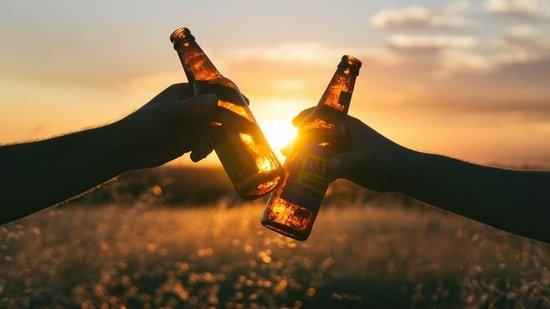
Social drinking or consuming alcohol occasionally in a casual hangout setting is widely considered acceptable. This complacent attitude has led to the belief that there is a ‘safe level’ of alcohol consumption, where moderate, infrequent drinking is assumed to carry little to no harm.
But how much truth does this common belief really hold? To weigh in on this, we spoke to oncologist Dr Vineet Talwar in an interview, director of medical oncology at Rajiv Gandhi Cancer Institute and Research Centre in New Delhi, who offered a stark reality check. “When it comes to cancer risk, there is no completely safe level of alcohol intake,” he said.
He further explained that leading global health bodies and oncologists worldwide recognise alcohol as a ‘significant, yet overlooked,’ risk factor for several types of cancer.
Types of cancer
“Alcohol is directly linked to cancers of the oral cavity, throat, oesophagus, liver, breast, and colorectum. Even small amounts consumed regularly can increase risk over time,” the oncologist described the types of cancer risks from alcohol consumption, even small amounts.
Why does alcohol increase cancer risk?
Let’s see what happens inside your body after you drink alcohol. The oncologist shared with us the process, revealing a chemical breakdown that directly impacts cellular health. “Alcohol is metabolised in the body into acetaldehyde, a toxic compound known to damage DNA and interfere with the body’s ability to repair cells. Such damage can initiate the process of cancer development.”
The second impact comes on the hormonal front, as Dr Talwar expressed concern over how it impacts oestrogen, which is closely linked to an increased risk of breast cancer. The third effect is that alcohol disrupts the absorption of nutrients like folate, which plays a critical role in maintaining healthy cell function. All these combined effects create a conducive effect for cancer development.
No safe threshold
The oncologist then drew attention to how there is no safe threshold. The link between alcohol consumption and cancer is not only about how much you drink or how long you have been drinking. While the risk increases with dose, meaning higher consumption leads to a greater cancer risk, it is important to understand that the risk is never truly at zero, even with moderate drinking.
“The relationship between alcohol and cancer is dose-dependent, meaning the risk increases with higher consumption, but it does not start at zero. This is why many doctors now emphasise that reducing alcohol intake as much as possible is important for cancer prevention,” Dr Talwar clarified.
Even if you drink small amounts over a period of time, the subtle changes in your body can create a conducive environment for cancer development. It shows that alcohol avoidance can be effective, as it removes one of the most important risk factors for cancer development.
Note to readers: This article is for informational purposes only and not a substitute for professional medical advice. Always seek the advice of your doctor with any questions about a medical condition.
