

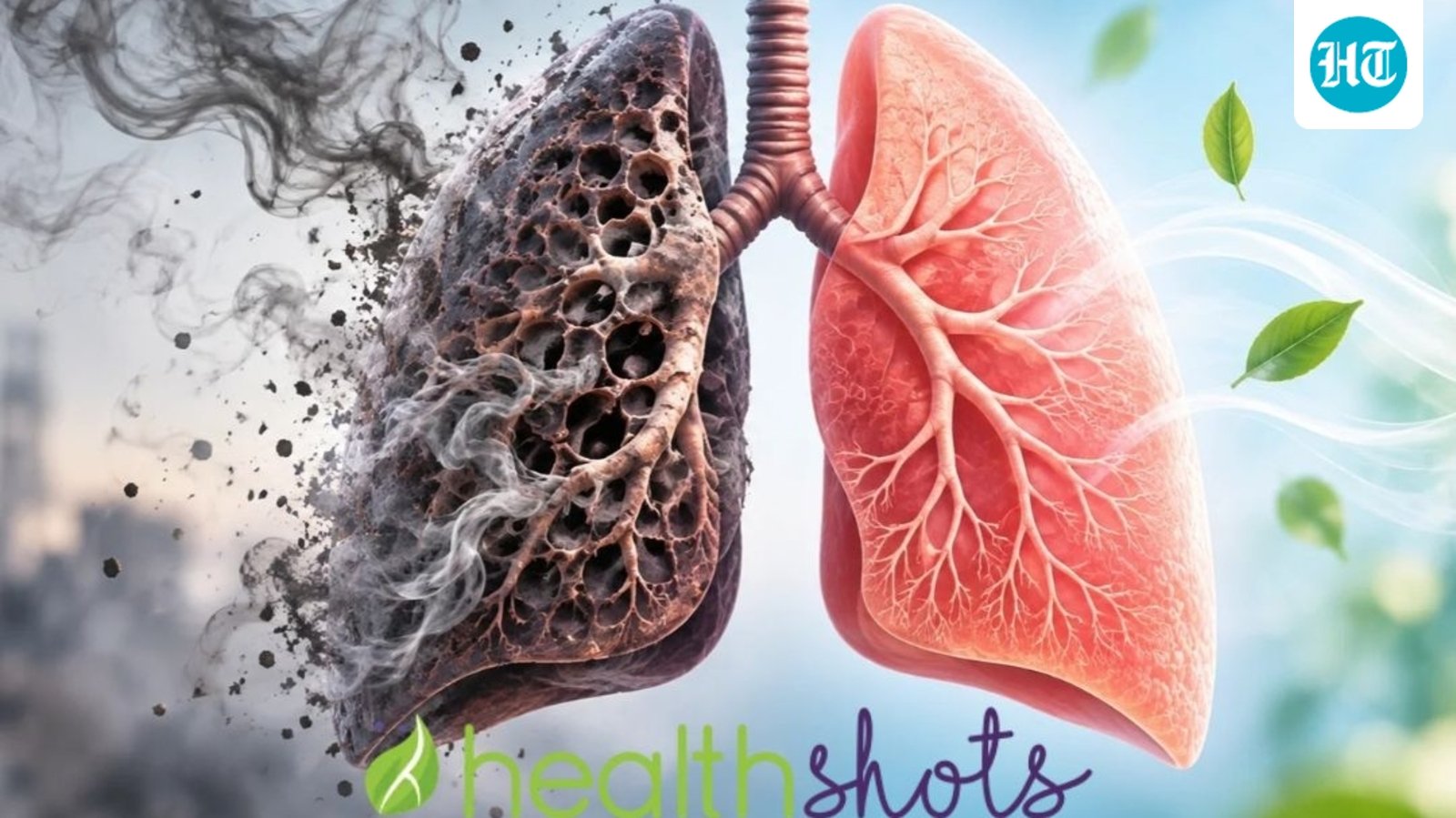
Tobacco consumption is not the only cause of Chronic Obstructive Pulmonary Disease (COPD), a progressive lung condition. In countries like India, where air pollution, biomass fuel usage and workplace exposure to dust and chemicals remain important public health concerns, non-smoking individuals are increasingly vulnerable to chronic respiratory problems.

- One major contributing factor is long-term exposure to outdoor air pollution. Fine particulate matter (PM2.5), nitrogen dioxide, sulphur dioxide and other harmful pollutants released through vehicle emissions, industrial activities, construction work and waste burning can enter deep into the respiratory tract.
- “Repeated exposure can trigger inflammation, damage the airways and reduce lung function over time”, Dr Abhijeet Singh, Associate Director and Unit Head, Pulmonology, ShardaCare – Healthcity tells Health Shots.
- People living in highly polluted urban areas, particularly those with pre-existing respiratory conditions, elderly individuals and children, may be more vulnerable.
- Another important risk factor in India is indoor air pollution caused by biomass fuels. In many households, particularly in rural and semi-urban areas, cooking with wood, coal, crop residue, dung cakes and other solid fuels can release substantial amounts of smoke and harmful particles.
- Improving kitchen ventilation, adopting cleaner cooking fuels and reducing exposure to household smoke are important preventive measures.
- Occupational exposure is another significant but often overlooked cause of COPD in non-smokers. Individuals working in construction, mining, cement manufacturing, agriculture, textile industries and factories may regularly inhale dust, chemical fumes, vapours and industrial pollutants.
- Workers in such environments should follow occupational safety guidelines, use appropriate protective equipment and undergo periodic respiratory health assessments.
Why do I keep coughing up mucus and can’t breathe?
These may include persistent cough, increased mucus production, breathlessness during routine activities, wheezing, chest tightness and frequent respiratory infections. However, many individuals dismiss these symptoms as seasonal allergies, ageing or general weakness. This can delay diagnosis, allowing lung function to deteriorate further.
Diagnosis generally involves a detailed medical history, physical examination and pulmonary function testing. Depending on the patient’s condition, doctors may recommend chest imaging and additional investigations to understand the extent of lung damage and rule out other respiratory conditions.
What are the top 5 inhalers for COPD?
Treatment may include inhaled medications such as bronchodilators, pulmonary rehabilitation, vaccinations, breathing exercises and oxygen therapy in selected patients. Preventing COPD among non-smokers requires reducing exposure to harmful pollutants. Cleaner cooking fuels, improved indoor ventilation, better air quality management and strict workplace safety measures can significantly reduce respiratory risks.
Does quitting smoking stop COPD?
The most important message is that not smoking does not make an individual completely immune to COPD. Persistent cough, breathlessness or recurring respiratory infections should never be ignored, regardless of smoking history. Early evaluation, lung function testing and timely medical intervention can help prevent complications and preserve respiratory health.
(Disclaimer: This article is for informational purposes only and is not a substitute for professional medical advice. Always seek the advice of your doctor with any questions about a medical condition.)
