

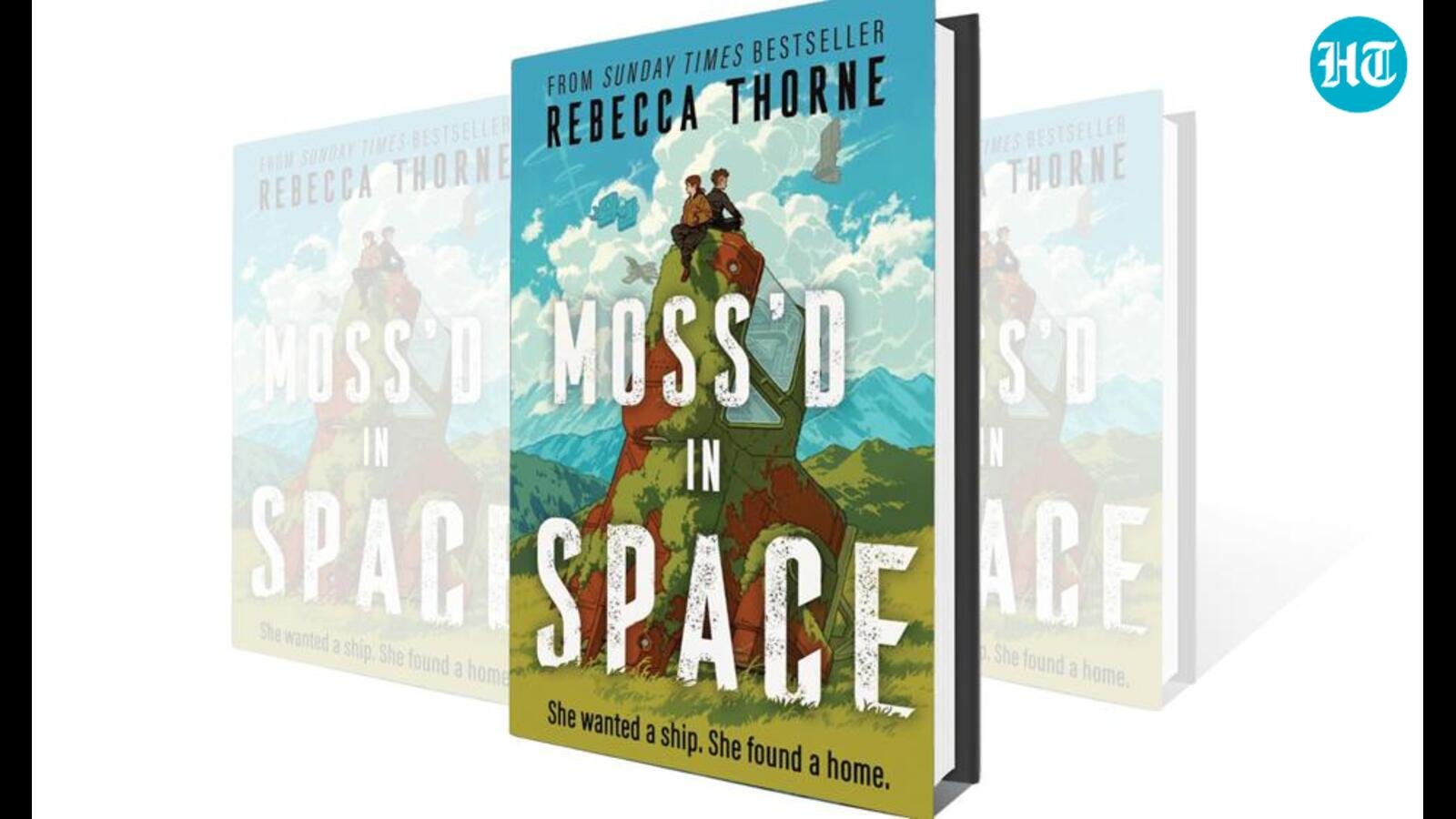
Moss’d in Space, by Rebecca Thorne (2026). It’s some time after the year 90,000. Torian Razner has spent her savings on a derelict alien starship to take her sick sister to Rhymarra – the only planet fit for humans. Little does she know, its organic operating system is a sentient, moss-covered supercomputer with abandonment issues and an attitude problem. What? The tech is whimsical, while the second-chance Sapphic romance and found-family dynamics put an unusual spin on AI.
Ode to the Half-Broken, by Suzanne Palmer (May 2026). This Hugo Award-winner is set in a post-apocalyptic USA ravaged by environmental disaster, pandemics and civil war. When battle-worn Be, a sentient AI mecha, finds his leg stolen, he abandons his ant research to track down the thief. What he uncovers is conspiracy to reignite the war. The dyst-hope-ian tale is less concerned with the mechanics of robotics than the moral issue of their identity, and ours. Plus, a smart-mouthed cyborg dog. Yes, he survives.
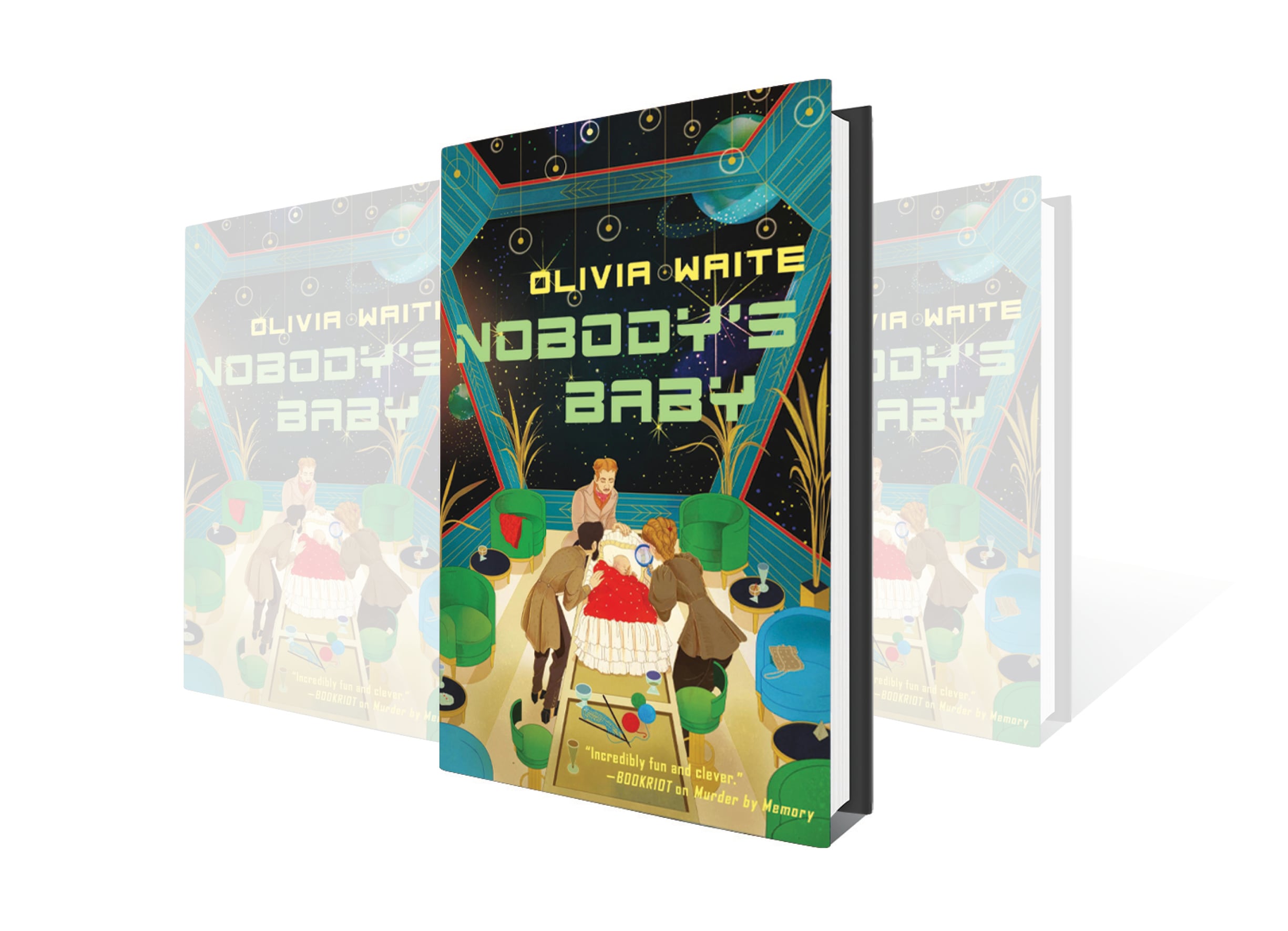
The Dorothy Gentleman mysteries, by Olivia Waite (2025, 2026). The novellas are set in the future, aboard a luxury spaceship, where passengers live multiple lifetimes, their memories stored in books between reincarnations. In Murder by Memory, Dorothy investigates the permanent deletion of consciousness; in Nobody’s Baby, she follows the appearance of an infant despite reproduction being forbidden. Both are a study of human behaviour in a world where the definition of a lifetime has changed.
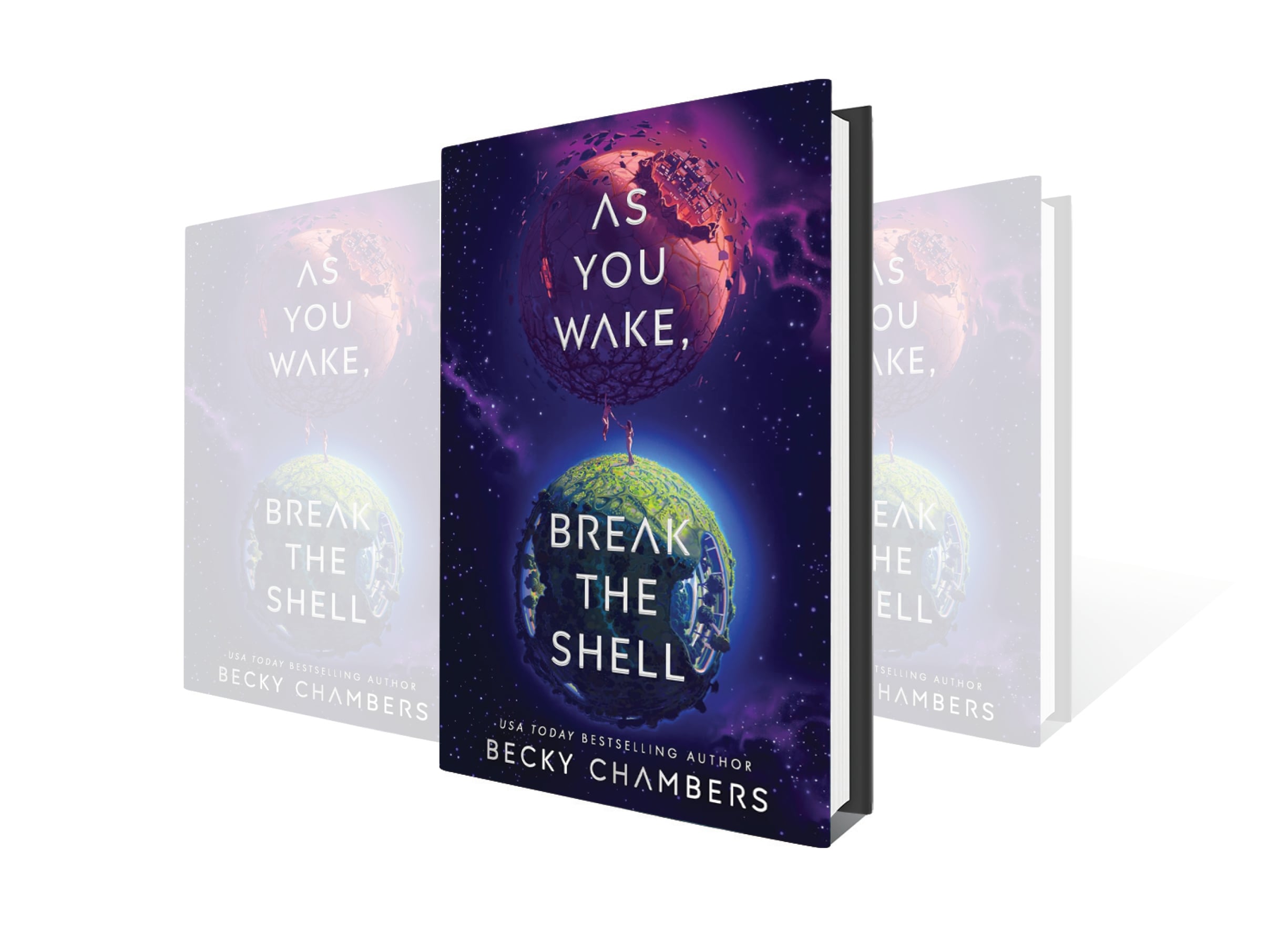
As You Wake, Break the Shell, by Becky Chambers (2026). A BookTok fave. Told across two timelines: Cora and Signy’s slow-burn romance in a hostile colony, and their peaceful life 15 years later. We know they make it. So, the plot follows on Cora’s relationship with Colibri, the living spaceship she pilots, and her explaining the baffling business of being human to her alien companion. Its fully hopepunk. There’s vulnerability, compassion as resistance, and the courage to challenge unjust systems. The lesbian love story is the bonus.
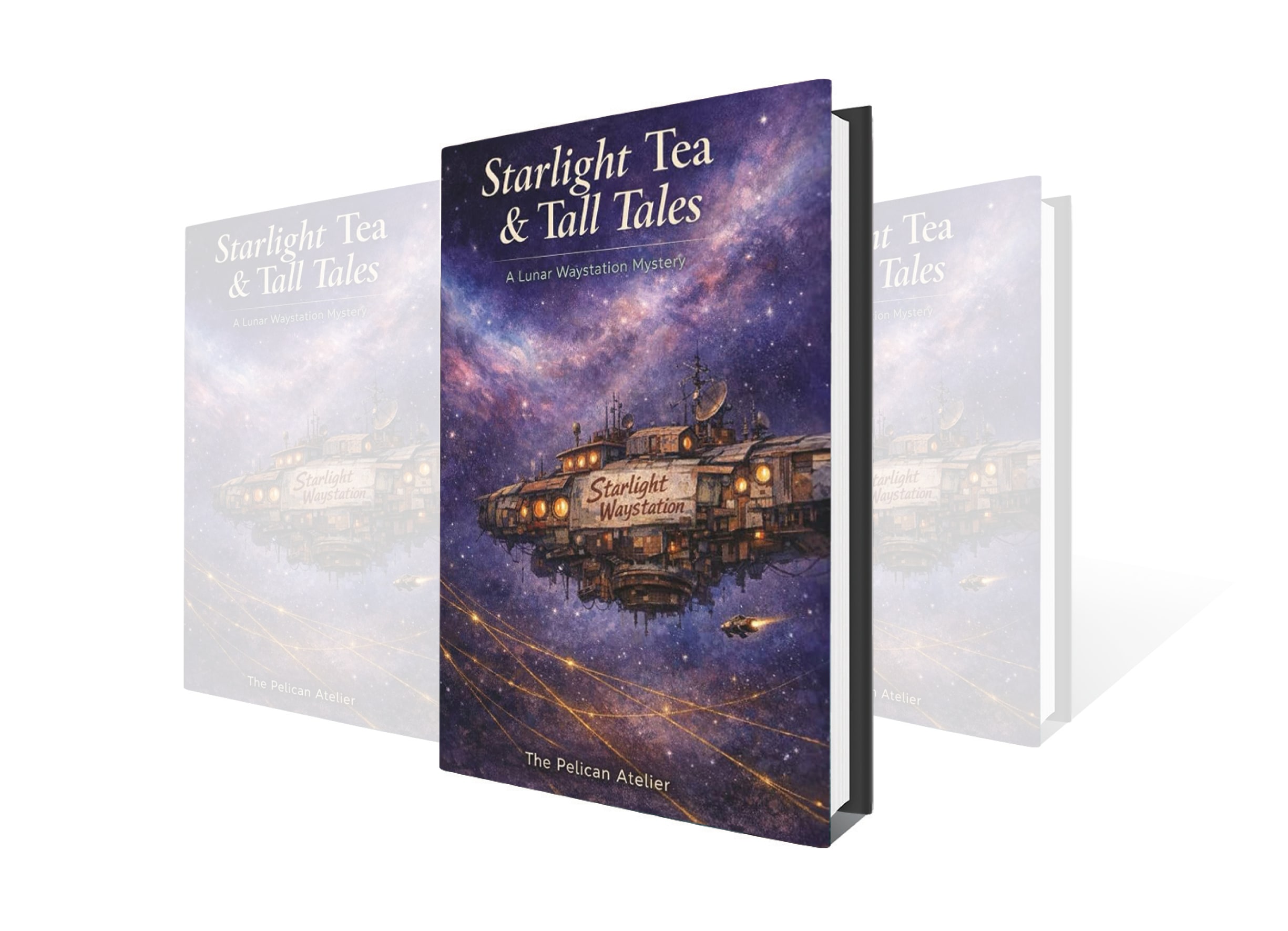
Starlight Tea & Tall Tales, by The Pelican Atelier (2026). Clara Mendez inherits her grandmother’s lunar waystation, a neutral pit-stop where humans and aliens rest, recharge and trade tall tales over hot drinks. She soon discovers that running a space-station café is the least of her problems. Humans and aliens have trouble coexisting, secrets lurk on board. There’s no intergalactic crisis. But there are connections and moral quandaries at every turn.
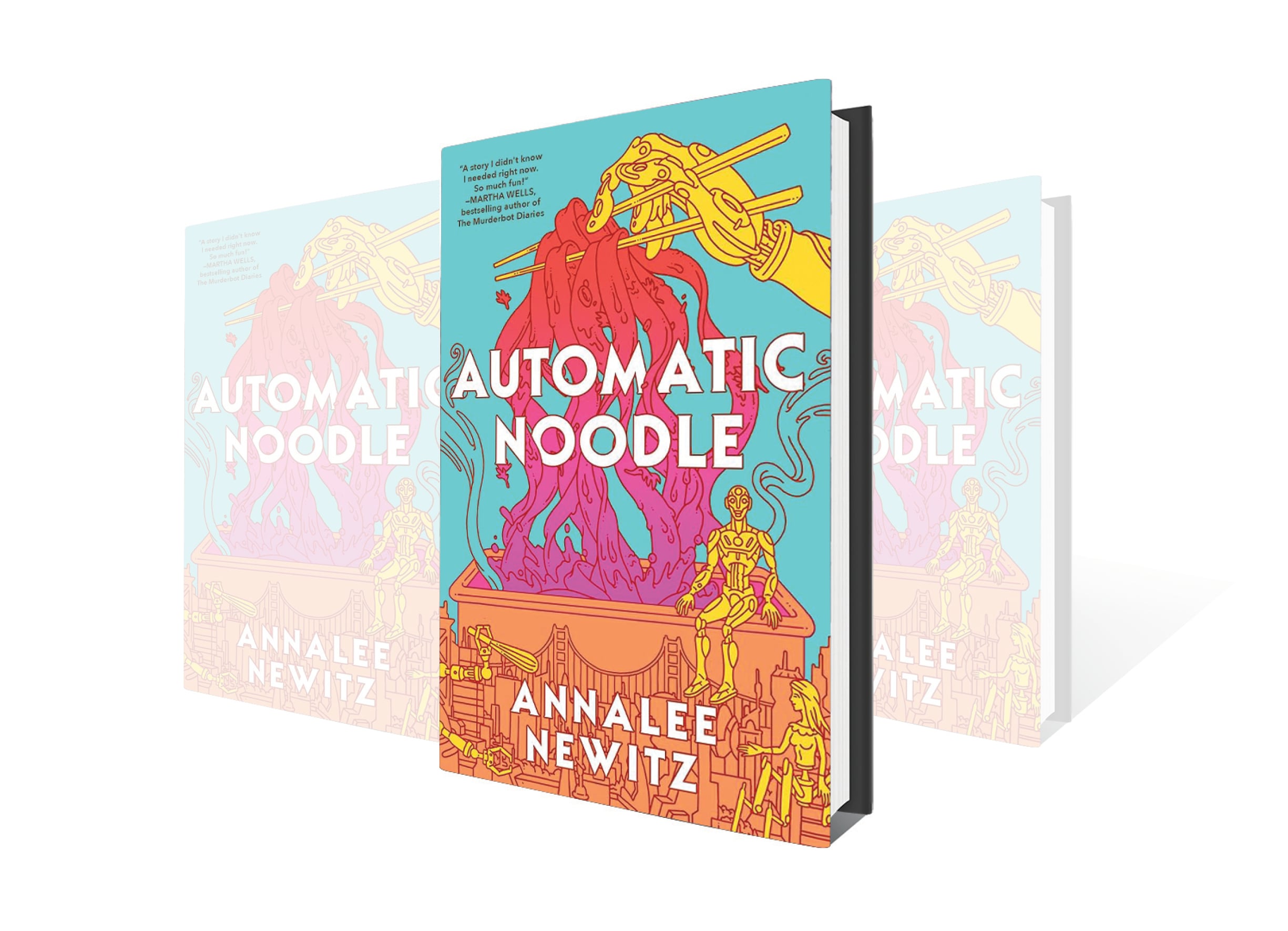
Automatic Noodle, by Annalee Newitz (2025). A rag-tag group of food-service robots have a dream: To sell the best biang biang noodles in war-torn, climate-ravaged, near-future San Francisco. But not even bots can escape corporate red-tape and fake one-star reviews. Newitz writes about cooking with the same care that other sci-fi might lavish on futuristic gadgets. The fantasy has a distinctly political bite. Capitalism may be soulless, but at least the noodles are handmade.
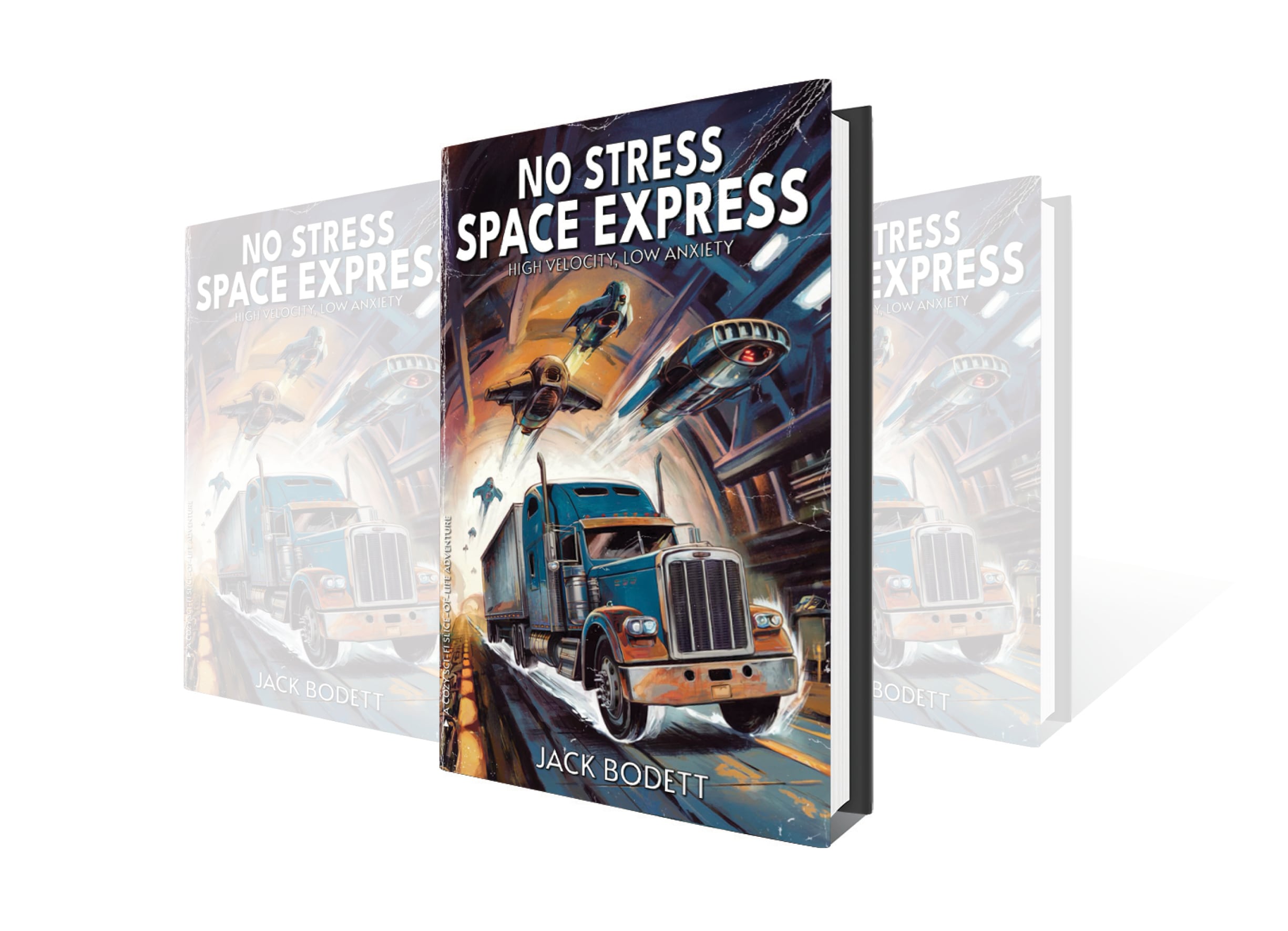
No Stress Space Express: A Cozy, Low-Stakes, Slice-of-Life Science Fiction Adventure, by Jack Bodett (2025). Yes, the title is a mouthful. Yes, the story spans 14 instalments, each a chapter in an interstellar road trip. Mechanic Rusty and buddy Mike are accidentally beamed aboard Nessie, a spaceship run by clumsy, scatterbrained aliens. Now, they’re stranded in space for 300 years. Space travel is all laundry, dishes, hauling cargo and using duct tape to keep things running. But friendships and romance grow without melodramatic detours. Phew!
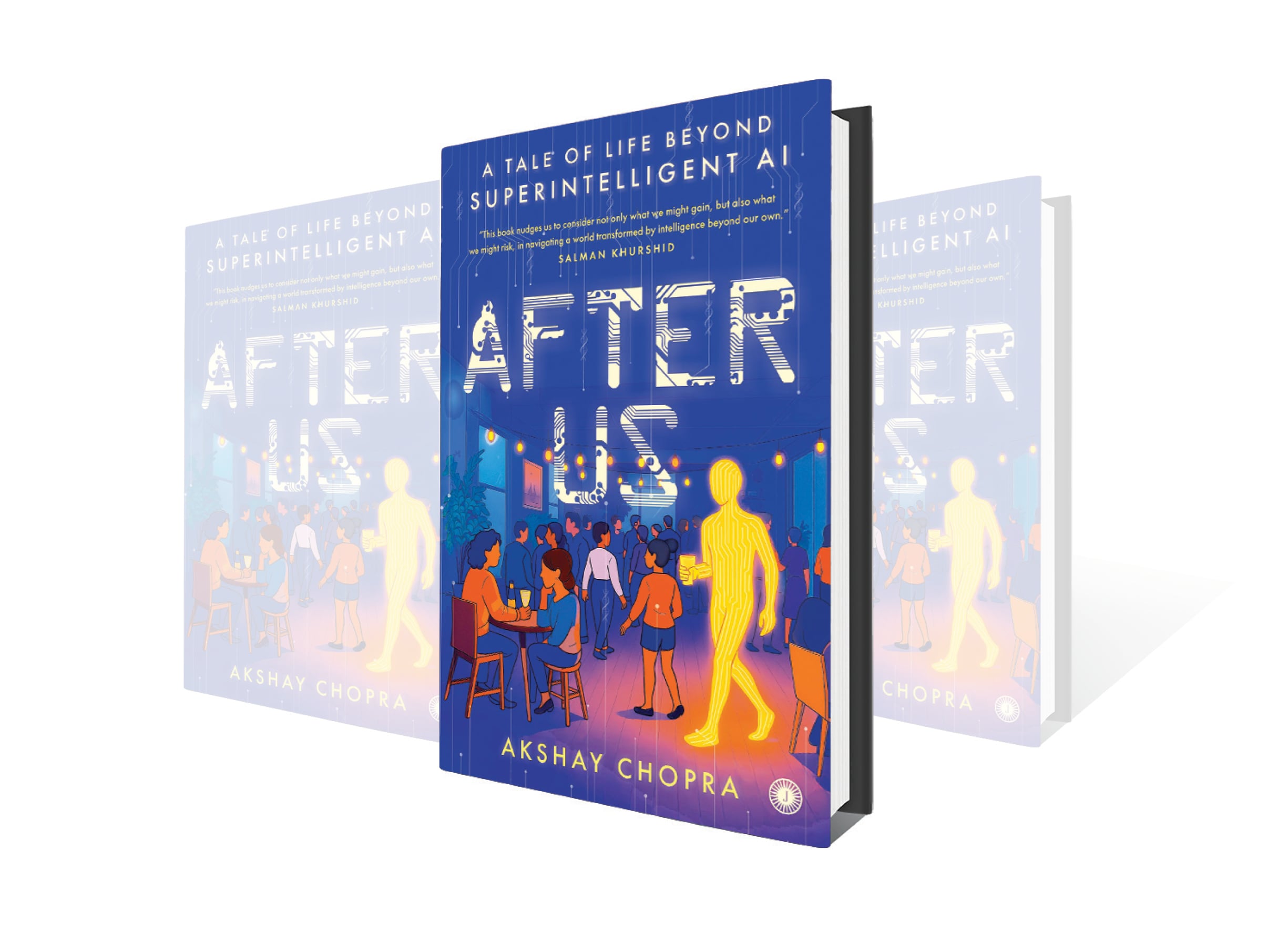
After Us: A Tale of Life Beyond Super Intelligent AI, by Akshay Chopra (2025). We worry about AI ruling the world, but what if it did a better job than our leaders? In this fantasy, Sui has peacefully taken over, cleaning up global governance, tackling medicine and poverty. Zero shots fired. The catch? Humans must reckon with a world where they’re no longer the smartest species. The superintelligence holds up a mirror to what it means to be human. Surely there’s more to our species than efficiency?
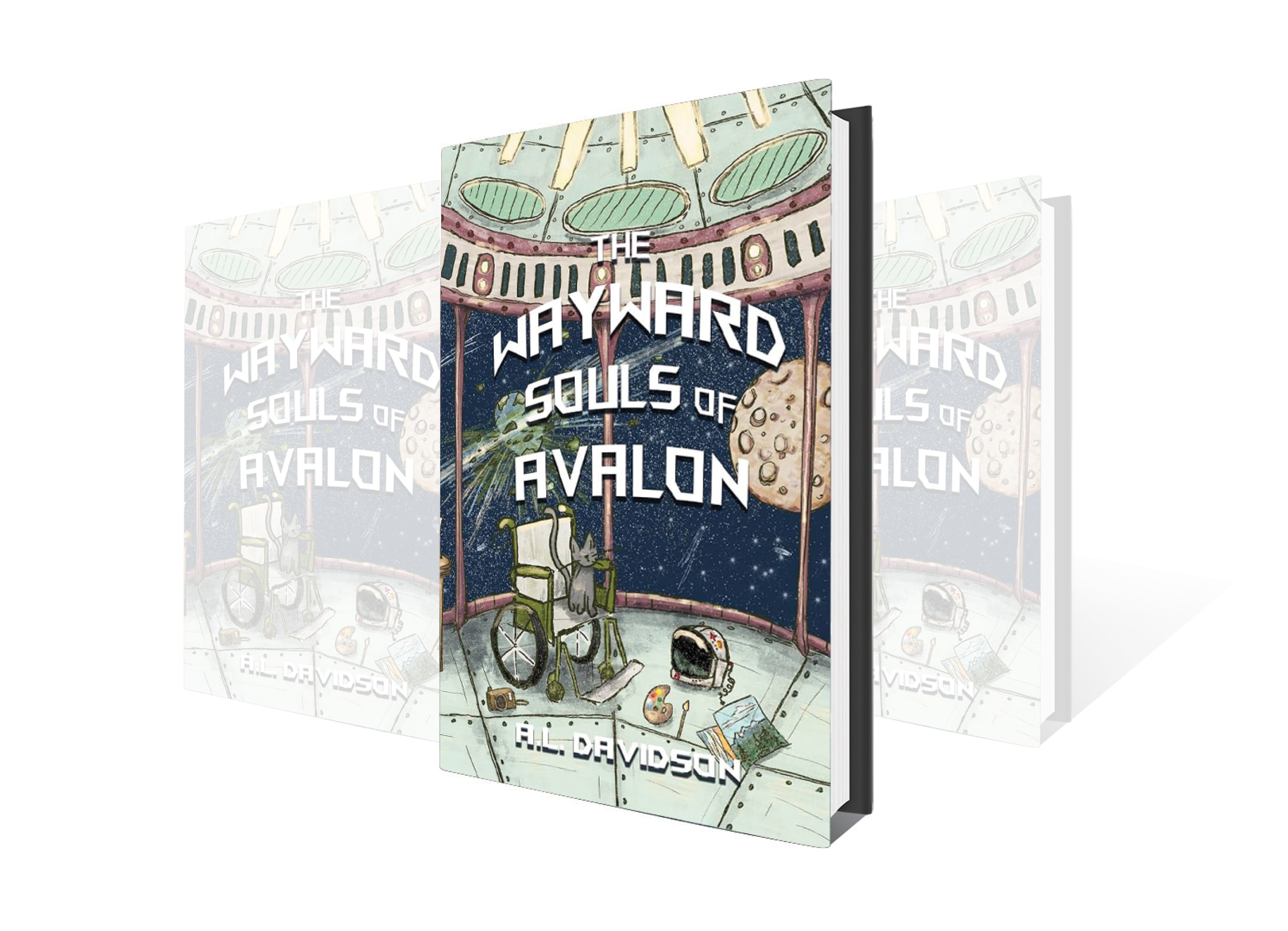
Wayward Souls of Avalon, by AL Davidson (2026). Earth has literally split into two. Humanity is fleeing for Mars. Documentarian Jocasta Thorne, lost in orbit, has given up all hope of meeting another human. Until he encounters Troy. Their year-long voyage takes in grief and romance. Davidson writes about chronic illness and disability without turning either into a tragic backstory. There is also a cat. It has opinions.
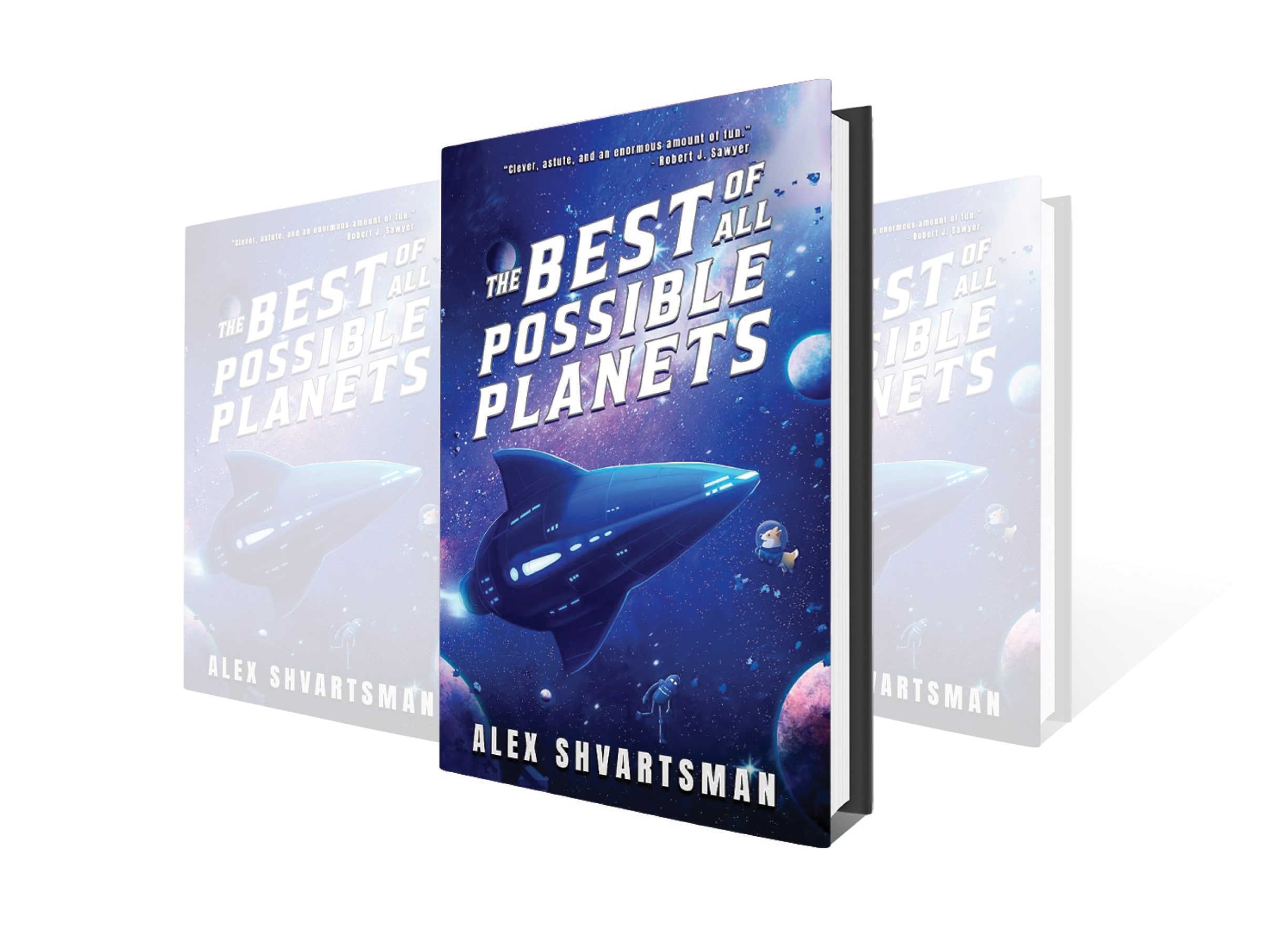
The Best of All Possible Planets, by Alex Shvartsman (2026). A planet run by a tyrannical homeowners’ association AI? Check. Murderous robots and space-faring corgis? Naturally. A junkyard world and a galactic emperor who can’t be bothered to rule? Why not? This band of spectacularly unqualified adventurers is scouting space for a replacement shield for a doomed Earth. It’s got the comedic energy of Futurama. The weirdness is part of the fun, and space travel seems more like a comic caper than an epic struggle for survival.
From HT Brunch, November 14, 2026
Follow us on www.instagram.com/htbrunch
