

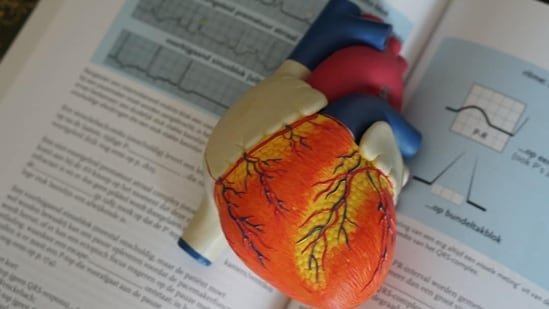
While cholesterol is a primary driver of heart disease, it is not the sole factor responsible for cardiac events. Dr Jeremy London, a heart surgeon with over 25 years of experience, emphasises that a heart attack is often the result of a “perfect storm” where the inner lining of blood vessels becomes compromised because of various factors.
The multifactorial drivers of cardiovascular disease
On June 25, Dr Jeremy shared an Instagram post explaining why people on statins or medication for cholesterol, which is often believed as a sole factor for heart disease, still have heart attacks.
He stressed that various lifestyle factors, such as tobacco use, poor sleep, and physical inactivity, contribute to this internal damage. Additionally, underlying medical conditions like hypertension and diabetes weaken the arterial walls over time.
In the post, Dr Jeremy asked an important question: “If cholesterol causes heart attacks, why do people on statins or medication still have them?” Explaining the reason behind it, the heart surgeon noted that we know LDLC and ApoB are causal factors in heart disease, but they’re not the only culprits. Rather, it’s multifactorial.
What lifestyle factors beyond cholesterol drive heart disease risk?
He explained that anything that damages the inner lining of the blood vessel wall is what sets this process in motion. It could be many factors, and the heart surgeon listed a few:
- Smoking directly damages the intima, the inner lining of the blood vessels.
- High blood pressure weakens the blood vessel wall with every beat.
- Type 2 diabetes or insulin resistance can quietly damage blood vessels over many years.
- Visceral fat is the inflammatory engine that drives a lot of it.
- Poor sleep impacts it as well.
According to him, having any of these diseases or even more than one creates the perfect storm for a cardiovascular event. He underlined, “You get damage to the blood vessel walls, and this allows the cholesterol ApoB particles to penetrate and start the process in motion.”
Therefore, Dr Jeremy stressed, how you sleep, your consistency with exercise, your sleep hygiene, and whether or not you smoke all matter when it comes to heart disease.
Note to readers: This article is for informational purposes only and not a substitute for professional medical advice. Always seek the advice of your doctor with any questions about a medical condition.
This report is based on user-generated content from social media. HT.com has not independently verified the claims and does not endorse them.
