

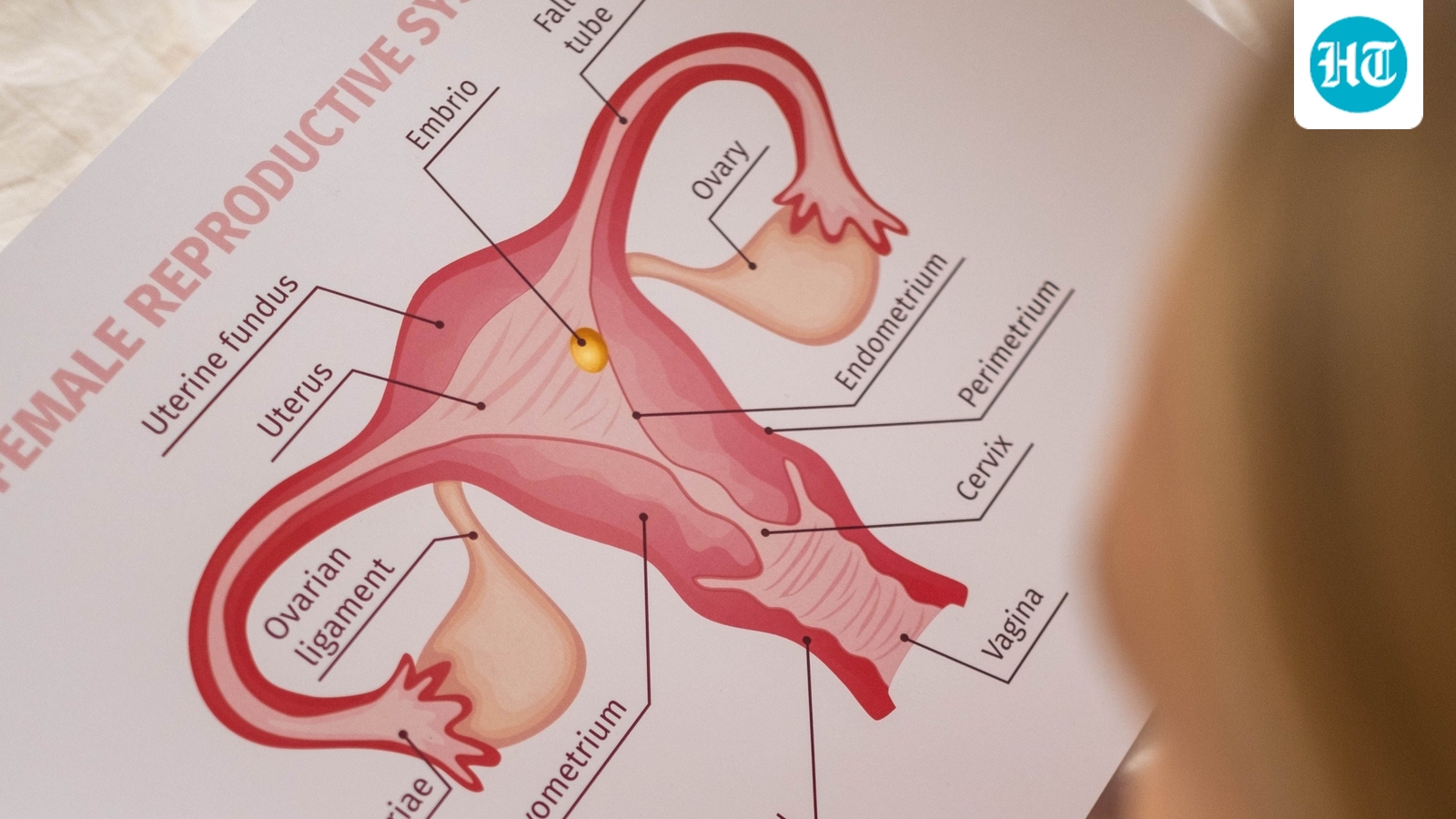
Women in their 20s who have recently been diagnosed with PCOS (polycystic ovary syndrome) often worry that the condition could make it difficult for them to get pregnant. Several studies suggest that PCOS affects roughly one in five women of reproductive age. In an interview with HT Lifestyle, Dr Richika Sahay Shukla, infertility and IVF specialist, explains what women with PCOS should know about their fertility before considering IVF.
Also read | Tips to naturally manage PCOS or Polycystic Ovary Syndrome
Can PCOS make pregnancy difficult?
According to Dr Richika, yes, PCOS can make it harder to conceive. It can take longer, and the waiting is hard on a marriage and on the mind. But harder is not impossible, and PCOS remains one of the most treatable causes of infertility we know of. What helps is understanding exactly where the difficulty comes from, because each reason has a different fix.
The ovary hesitates to release an egg
“In a normal month, one follicle grows, matures and releases an egg. In PCOS, many follicles start growing, but none take the lead,” explained Dr Richika. They stall halfway, and that is what the scan is showing when it reports multiple small follicles, not cysts, not disease, just eggs that stopped short. No egg released means no pregnancy that month. That’s the whole mechanism, and it’s simpler than most women fear.
Fewer cycles means fewer chances
According to Dr Richika, a woman with a regular 28-day cycle gets roughly twelve or thirteen chances a year. A woman whose cycle stretches to sixty or ninety days may get four or five. Nothing else has to be wrong for conception to take longer. She simply has fewer turns at the table. This is also why “just wait and relax” is bad advice past a certain point. Waiting doesn’t add chances.
Insulin is the quiet driver
Dr Richika highlighted that most women with PCOS have some degree of insulin resistance; the body has to make extra insulin to manage the same amount of sugar. That extra insulin pushes the ovary to produce more male hormone, and that male hormone stops the follicle from maturing. That single chain explains a lot: the weight that settles around the middle and refuses to move, the dark velvety patches on the neck, the skin and hair changes, and the irregular cycles. It also explains why food and movement work so well here. They act on the cause, not the symptom.
Hormones affect the lining too, not just the egg
Even when an egg is released, the uterine lining needs the right hormonal preparation to accept a pregnancy. Long, disordered cycles don’t prime it well. Add insulin resistance and excess weight, and the risk of an early miscarriage goes up somewhat. This is worth saying out loud because women blame themselves for early losses that were never their fault.
Being slim doesn’t rule it out
Dr Richika highlighted that perhaps a quarter of women with PCOS are lean. They’re often diagnosed late, sometimes years late, because nobody thinks to look. If your cycles are irregular, get assessed regardless of what the weighing scale says.
What actually helps
Dr Richika recommends starting with a period diary. A note on your phone with the first day of each cycle tells a doctor more in ten seconds than an hour of conversation. If you’re carrying extra weight, losing five to ten per cent is often enough to restart ovulation on its own.
Move for thirty minutes most days; a brisk walk after dinner counts, no gym needed.
Eat your dal, roti and sabzi, and cut the colas, biscuits and packaged snacks.
Sugar is the troublemaker here.
Add some strength work if you can, because muscle handles insulin better than anything else. Sleep before midnight. Tired hormones misbehave, and poor sleep worsens insulin resistance directly.
Note to readers: This article is for informational purposes only and not a substitute for professional medical advice. Always seek the advice of your doctor with any questions about a medical condition.
