

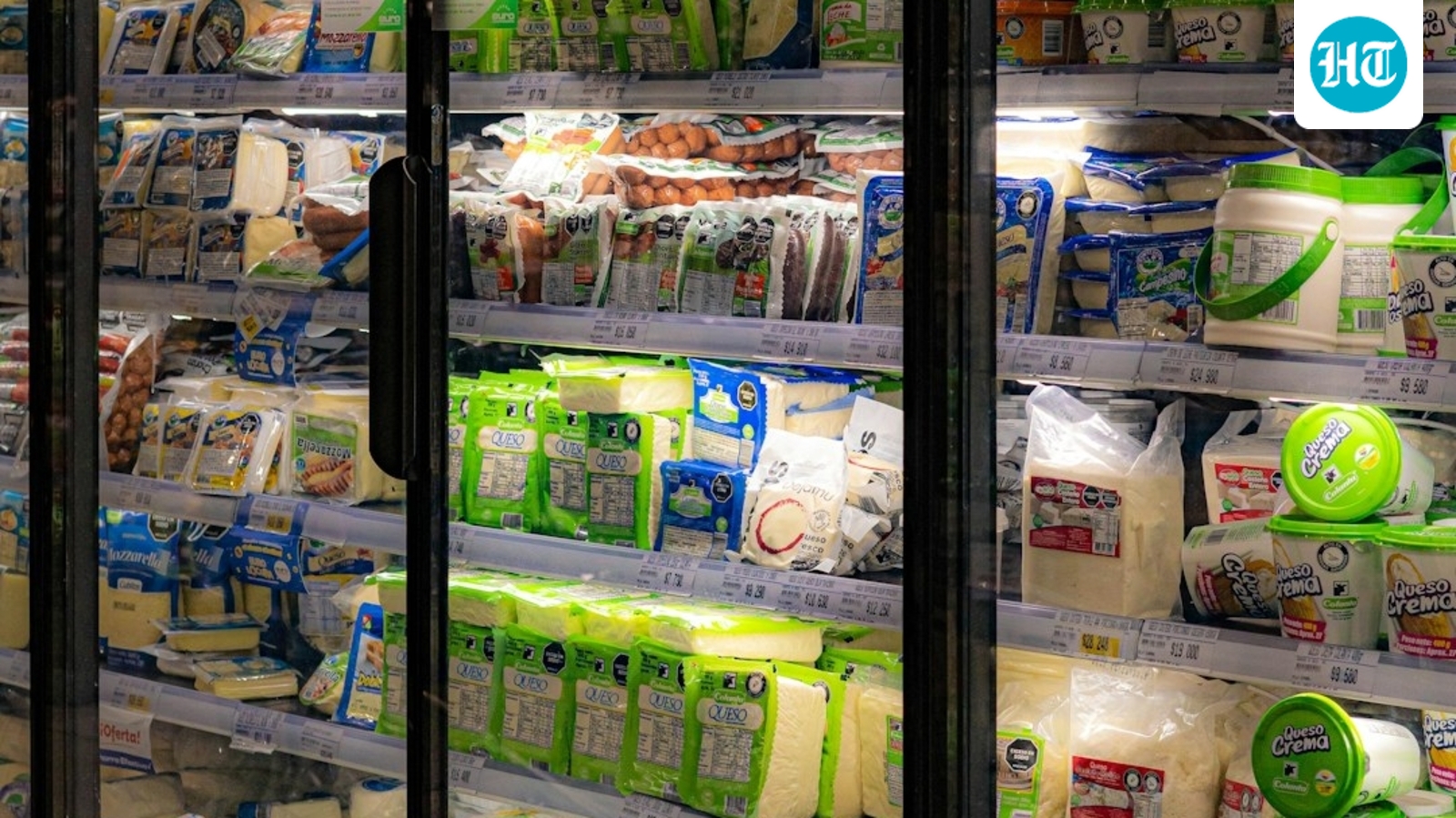
Walk into any Indian kitchen and mention frozen food. Before the conversation has even begun, the verdict is usually out. You will be bombarded with statements like: ‘It’s not fresh,’ ‘It must be full of preservatives,’ ‘Nothing frozen can match freshly made food,’ and more. These perceptions have existed for years, but they don’t reflect how today’s food systems or preservation technologies actually work. In an interview with HT Lifestyle, Sanket Shrikanth, founder and CEO of Scandalous Foods, busts myths surrounding frozen food.
Also read | Wellness coach shares 6 foods that support hormonal health in women: From seeds to leafy greens
Sanket said, “We rarely question a tomato that has travelled over a thousand kilometres, spent days in trucks, warehouses and retail shelves before reaching our kitchens. But a product frozen within hours of harvest or preparation is often viewed with suspicion. Perhaps it’s time we questioned our understanding of what fresh really means.
Myth: Frozen food means stale.
Fact: Sanket highlighted that it’s the biggest myth. In reality, freezing is simply a pause button on freshness. Technologies like Individually Quick Freezing (IQF) preserve food within hours of production, locking in taste, texture and nutritional value at their peak. Freshness isn’t defined by whether food is frozen; it is defined by how well it has been handled.
According to Sanket Shrikanth, frozen isn’t the opposite of fresh. Poor handling is. Food that spends days moving through the supply chain continues to age with every passing hour. By comparison, food frozen at the right time retains the quality it had when it entered the cold chain. The difference lies not in whether food is frozen, but in how quickly and efficiently it is preserved.
Myth: Frozen food is loaded with preservatives.
Fact: Another common misconception is that frozen food is loaded with preservatives. “Ironically, freezing exists so that preservatives often become unnecessary. At temperatures of around – 18°C, microbial activity slows dramatically, allowing food to remain safe naturally,” said Sanket Shrikanth. In many cases, the cold chain itself is the preservative.
Looking beyond the freezer and reading the ingredient list often tells a very different story from popular assumptions. Many consumers also tend to confuse frozen food with highly processed food, even though the two are not the same. Freezing is simply a preservation technique. Whether a product is healthy or not depends on its ingredients and how it is made, not on the fact that it is stored in a freezer.
Myth: Frozen food lacks nutritional value.
Fact: Nutrition is another myth that deserves a reality check. According to Sanket Shrikanth, fruits and vegetables frozen immediately after harvest can retain nutrients remarkably well because they are preserved at their peak.
By contrast, produce marketed as “fresh” may spend several days moving through the supply chain before reaching consumers, during which time nutritional value naturally begins to decline. In many cases, time, not freezing, is the bigger factor.
Note to readers: This article is for informational purposes only and not a substitute for professional advice. Always seek the advice of your doctor with any questions about a medical condition.
