

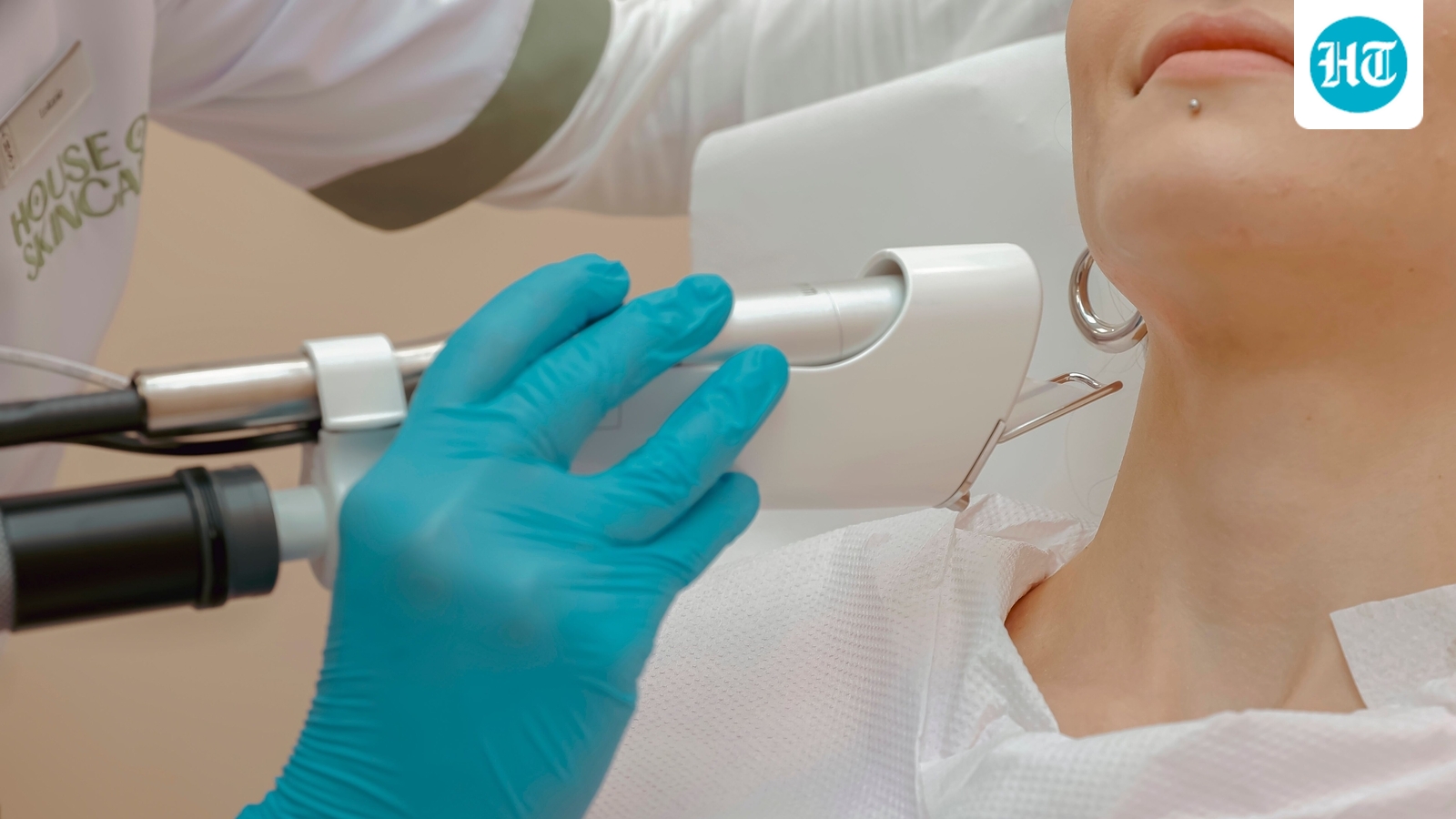
With wedding season approaching, facials, chemical peels, lasers, and other skin treatments become an important part of many bridal beauty routines. These treatments can help address concerns such as acne, pigmentation, uneven texture, and dullness, but choosing the right procedure and allowing enough time for results and recovery are equally important. A rushed treatment plan can sometimes leave the skin irritated or worsen existing concerns just before the wedding. In an interview with HT Lifestyle, Dr Madhuri Agarwal, founder, medical director, and CEO of Yavana Skin G Hair Clinic, shared a quick guide for brides.
When should brides start their skincare routine?
According to Dr Agarwal, three months before the wedding is a good time to establish a consistent skincare routine. A cleanser suited to the skin type, moisturiser, broad-spectrum sunscreen, and one or two targeted products can form the foundation. Maintaining a healthy skin barrier is important before considering in-clinic procedures.
Which treatments need more time?
The timeline depends on the concern being treated. Acne, acne scars, uneven texture and fine lines may require chemical peels, microneedling or radiofrequency microneedling. These treatments may need multiple sessions and can require around six months of planning.
Pigmentation, tanning and dullness may benefit from selected brightening lasers, peels or skin boosters, with approximately three months of treatment planning. Body pigmentation may take three to four months to address. Laser hair reduction requires even earlier planning, as multiple sessions are spaced several weeks apart.
“I recommend beginning up to six months in advance. For hair fall, you may need to start medication or platelet-rich plasma (PRP) therapy four to six months earlier to allow time for shedding to stabilise and new growth to become visible,” said Dr Agarwal.
Are peels and lasers safe for all skin types?
Chemical peels and lasers can help with specific skin concerns, but they aren’t one-size-fits-all. In Indian skin tones, inflammation following a procedure can sometimes trigger postinflammatory hyperpigmentation. Choosing the right treatment, settings, and preparation is therefore particularly important.
Not every pigmentation concern responds to the same peel or laser. An assessment helps identify the underlying cause and determine the safest approach. Incorrect treatment or overly aggressive procedures can worsen pigmentation and may cause burns, irritation, or scarring.
What should brides avoid in the final weeks?
“The final month is the time to maintain consistency, not experiment. I recommend scheduling the last peel, laser, or injectable at least two weeks before the wedding, with a longer recovery window for procedures that require it,” highlighted Dr Agarwal.
New serums, unfamiliar salon facials, aggressive exfoliation, and untested treatments should be avoided close to the wedding. Even a familiar procedure can cause temporary redness or sensitivity. The goal of pre-wedding skincare is not to do as many treatments as possible, but to address concerns safely and appropriately. Your skin doesn’t work on wedding deadlines. The earlier the planning begins, the more time there is to achieve meaningful results without rushing into procedures.
Note to readers: This article is for informational purposes only and not a substitute for professional medical advice. Always seek the advice of your doctor with any questions about a medical condition.
