

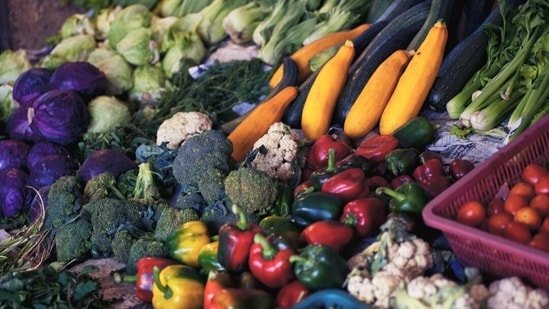
Salads have become the go-to choice for anyone trying to eat clean, often seen as the ultimate symbol of healthy eating. While vegetables like cucumbers and tomatoes are perfectly safe to enjoy raw, not all produce is meant to be consumed this way. Some vegetables can carry microbial contamination from the soil or contain compounds that are harder to digest and may even cause discomfort if eaten uncooked.
Dr Shubham Vatsya, a gastroenterologist and hepatologist at Fortis Vasant Kunj, Delhi, with over a decade of clinical experience, has shared three vegetables that are best avoided in their raw form. In an Instagram video shared on April 14, the gastroenterologist highlights, “Nowadays, raw salads are considered super healthy, but the reality is that improperly washed raw vegetables can increase the risk of gut infections, especially when they come directly from the soil. Light cooking improves safety and digestion. Eat smart, wash thoroughly and cook when needed to protect your gut and overall health.”
Capsicum
According to Dr Vatsya, capsicums and bell peppers are best not consumed raw, as their seeds and outer surface can harbour microbes. Instead, he recommends removing the seeds carefully, washing them thoroughly, and lightly cooking them to ensure they are safe to eat.
He explains, “First is capsicum (bell pepper). There can be microbial contamination on its seeds and surface, especially due to improper washing. Therefore, you should eat it only after removing the seeds, washing it thoroughly, and cooking it lightly.”
Broccoli
Dr Vatsya points out that raw broccoli contains complex fibres and goitrogenic compounds that may hinder digestion and interfere with normal thyroid function. To improve nutrient absorption and make it gentler on the gut, he recommends lightly cooking broccoli, as gentle steaming helps break down these compounds.
The gastroenterologist notes, “Second is broccoli. Raw broccoli contains complex fibres and goitrogenic compounds that slow down digestion and increase gas and bloating. Light steaming breaks these down, which allows for better absorption.”
Colocasia leaves
According to the gastroenterologist, colocasia leaves – known as arbi ke patte in Hindi – contain calcium oxalate crystals. In their raw form, these can irritate the throat, causing a burning sensation, and may also contribute to an increased risk of kidney stones. Proper cooking helps neutralise these compounds, making the leaves safe to consume.
Dr Vatsya explains, “Third are Arbi (colocasia) leaves. These contain calcium oxalate crystals which, in raw form, can cause throat irritation, burning, and increase the risk of long-term kidney stones. Proper cooking neutralises these crystals.”
Note to readers: This article is for informational purposes only and not a substitute for professional medical advice. It is based on user-generated content from social media. HT.com has not independently verified the claims and does not endorse them.
