

Many people do not have bad skin. They have misread the signs — and dehydration is one of the easiest skin concerns to confuse. In an interview with HT Lifestyle, Dr Reema Arora, facial aesthetics expert and founder of the face clinic, New Delhi, breaks down the difference between dry and dehydrated skin.
Also read | Dermatologist shares 7 simple ways to manage acne without overcomplicating your skincare routine
Difference between dry and dehydrated skin
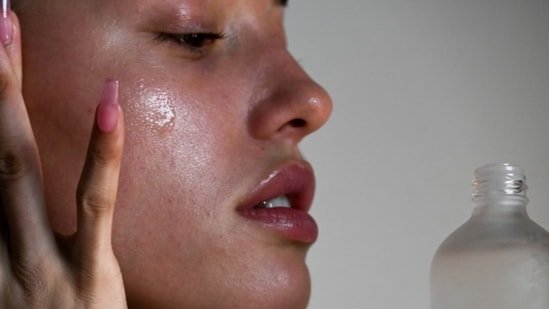
“Dry skin and dehydrated skin can feel similar, but they are not the same. Dry skin usually lacks oil. Dehydrated skin lacks water,” said Dr Reema. This means even oily or acne-prone skin can be dehydrated. The skin may look shiny on the surface, yet still feel tight, dull, rough, or uncomfortable underneath. “Oily skin can still be thirsty skin. Oil and water are not the same thing,” added Dr Reema Arora.
Signs that differentiate between dry and dehydrated skin
Dehydrated skin may feel tight after cleansing, look dull by afternoon, show fine crepey lines, feel rough despite moisturiser, or make makeup sit unevenly. Dry skin, on the other hand, often feels consistently flaky, rough, or under-nourished because it lacks enough natural oils.
According to Dr Reema, in an age of layered routines and trending activities, the problem is often not too little skincare — it is skincare without diagnosis. Many people exfoliate more when the skin looks dull, use stronger actives when the barrier is already stressed, skip moisturiser because the skin looks oily, or apply heavy creams that make congested skin feel worse. “When skin feels tight but looks shiny, it is often not asking for stronger actives. It may be asking for barrier and hydration support,” explains Dr Reema.
How to fix this?
Dr Reema recommends starting with gentler cleansing, barrier support, humectants, and sunscreen before stronger actives or in-clinic treatments. Professional skin-quality treatments may help when dehydration is persistent, or when tired-looking texture and fine lines are linked to poor hydration. Treatments such as skin boosters or other doctor-led skin-quality treatments are designed to improve hydration and texture, not change facial shape.
However, they should not be seen as shortcuts to glow. Not every dull or tight face needs an injectable treatment. Pigmentation, sun damage, inflammation, acne, ageing, hormonal changes, or an impaired barrier may also be involved. A proper assessment helps decide whether the skin needs hydration, oil support, barrier repair, pigment control, collagen support, or medical skincare.
“Professional skin-quality treatments should follow a proper skin assessment — not a one-size-fits-all skin fix,” suggests Dr Reema. Dry skin needs oil support; dehydrated skin needs water support. Getting that distinction right can save people from months of ineffective skincare.
Note to readers: This article is for informational purposes only and not a substitute for professional medical advice. Always seek the advice of your doctor with any questions about a medical condition.
